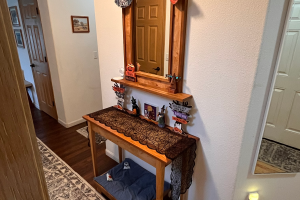


When it comes to furnishing your home, the choices can be overwhelming. Among the most important decisions is whether to invest in handcrafted solid wood furniture or opt for mass-produced, manufactured pieces. While both have their place, the differences in long-lasting value are significant—and worth considering before making your next purchase.
The Craft of Handcrafted Solid Wood Furniture
Handcrafted solid wood furniture is a testament to tradition, skill, and artistry. Each piece is carefully constructed by skilled artisans, often using time-honored techniques passed down through generations. The choice of wood—oak, walnut, cherry, maple, and more—adds a unique character and warmth to every item.
Why does this matter?
- Durability: Solid wood is incredibly strong and, when properly cared for, can last for decades or even centuries.
- Repairability: Scratches, dents, and wear can be sanded out or refinished, restoring the piece to its original beauty.
- Timeless Design: Handcrafted furniture often features classic designs that transcend trends, ensuring it remains stylish for years to come.
- Personal Touch: Each item is unique, with subtle variations in grain and finish that mass-produced furniture can’t replicate.
The World of Manufactured Furniture
Manufactured furniture, especially those made from particleboard, MDF, or veneer, is designed for efficiency and affordability. These pieces are often produced in large quantities, making them accessible to a wide range of consumers.
What are the trade-offs?
- Affordability: Manufactured furniture is typically less expensive upfront, making it a budget-friendly option.
- Variety: There’s a vast range of styles and finishes to choose from, catering to every taste.
- Convenience: Flat-pack designs are easy to transport and assemble.
However, the lower price often comes at the cost of longevity. Engineered woods and veneers are more susceptible to water damage, warping, and general wear and tear. Repairs are difficult, and once damaged, these pieces are often discarded rather than restored.
Long-Term Value: An Investment Perspective
When evaluating the long-term value of furniture, it’s important to look beyond the initial price tag.
- Handcrafted solid wood furniture can become family heirlooms, passed down through generations. Their value often appreciates over time, especially if crafted by renowned artisans.
- Manufactured furniture is more likely to end up in landfills within a few years. This contributes to environmental waste. It also requires frequent replacement.
Sustainability and Environmental Impact
Solid wood furniture, especially when sourced from responsibly managed forests, is a more sustainable choice. Its longevity means fewer resources are consumed over time. Manufactured furniture, on the other hand, often uses glues and chemicals. These substances can off-gas into your home. They are less environmentally friendly.
Conclusion: Quality Over Quantity
Manufactured furniture has its place. This is especially true for those on a tight budget or needing temporary solutions. However, the long-lasting value of this handcrafted solid wood furniture is hard to beat. It’s an investment not just in your home’s aesthetics, but in durability, sustainability, and heritage.
When you choose handcrafted, you’re not just buying furniture. You’re bringing home a piece of art, a slice of history, and a future heirloom.
Don’t forget to like and subscribe for more woodworking inspiration! If you’re interested in bringing a unique Heirloom piece into your home, visit my commission page to learn more about how you can commission Anderson Woodworks. Let’s craft something special for your family!
Discover more from Anderson woodworks custom furniture & cabinets
Subscribe to get the latest posts sent to your email.