
Creativity has always been international. Long before trends, algorithms, or mass production, people across the world shaped wood, metal, clay, and fiber with care and intention. Different cultures, different tools, different aesthetics—but the same truth connects them all: the process mattered.
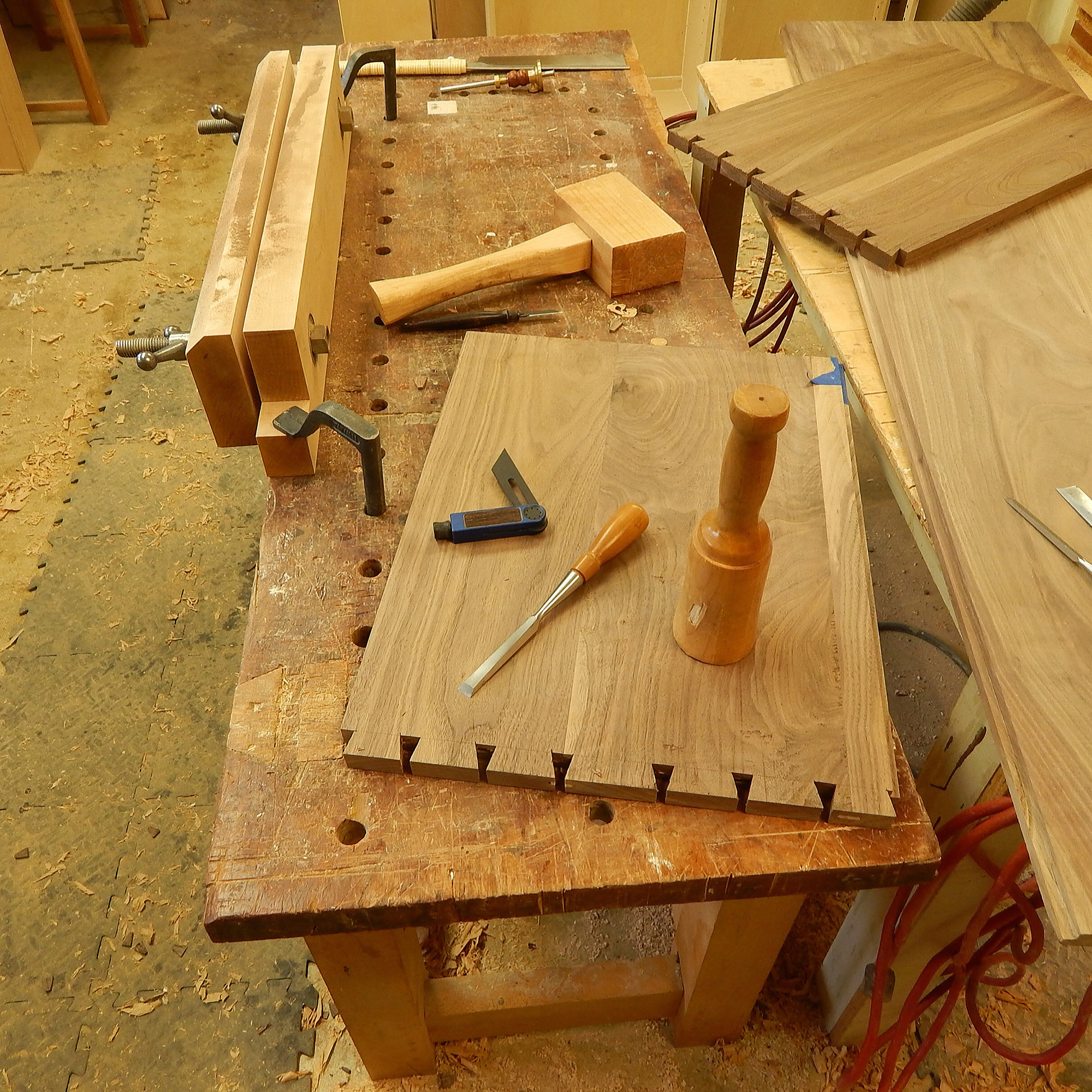
Thoughtful work asks for time. Every decision—material selection, proportion, joinery, surface, finish—requires attention. Nothing meaningful happens by accident. When makers are allowed to work slowly, they can respond to the material rather than overpower it. This is where quality begins.
(You may also enjoy reading: [Why Process Matters in Handcrafted Work])
Slow creative development is often misunderstood as inefficiency, but in reality it is discipline. Ideas need space to mature. Materials need to be understood, not rushed. When creativity is pushed too fast, depth is lost. The result may function, but it rarely endures.
(Related article: [The Philosophy of Slow Craft])
Why Price Is Part of the Conversation
Price is inseparable from process.
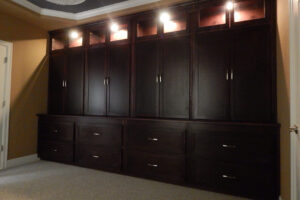
Handcrafted work carries the cost of time, experience, and decision-making. It reflects hours spent planning before a single cut is made, years spent learning how materials behave, and the restraint required to avoid shortcuts. Unlike mass production, where price is driven by speed and volume, handcrafted work is priced according to intention and care.
When something is made slowly and responsibly, by skilled hands, the price reflects that reality. It is not simply a number—it is a measure of time, knowledge, and respect for the craft. To lower the price is often to remove steps, dilute quality, or sacrifice longevity.
(Further reading: [What Goes Into the Cost of Handmade Furniture])
The Value of One-of-a-Kind Work
One-of-a-kind artistry exists outside of repetition. Even when two pieces begin with the same idea, they never end the same way. Materials vary. Grain shifts. Decisions evolve. The final result is shaped by countless small choices made along the way.
This uniqueness cannot be replicated or standardized. It carries presence. It carries identity. It reflects the moment in which it was made and the hands that made it. In a world filled with identical objects, one-of-a-kind work offers something rare: authenticity.
(See examples: [One-of-a-Kind Furniture & Marquetry Art])
Owning something truly original is not about luxury for its own sake. It is about connection. It is about living with objects that feel grounded, intentional, and personal—objects that don’t need to be replaced when trends change.
Why Supporting Craft Matters
Modern culture prioritizes speed and convenience, but humans are not designed to live surrounded by disposable things. We respond to work made at a human pace—work that carries thought, weight, and story.
Supporting craftspeople is not about nostalgia or resisting progress. It is about preserving knowledge, valuing skill, and choosing permanence over excess. It is a decision to invest in quality rather than quantity, and in meaning rather than immediacy.
(You might also like: [Why Handmade Furniture Matters in the Modern Home])
Slow creation is not outdated. It is essential. And when craft is supported, creativity remains thoughtful, diverse, and deeply human.
A Quiet Invitation
If this way of thinking resonates, consider supporting the craftspeople, artists, and makers who work slowly and intentionally. Read their stories. Share their work. Choose one-of-a-kind pieces when you can.
You can explore more writing like this in [The Journal], see current work in [Available Pieces], or learn about commissioning something made specifically for your space in [Custom Furniture & Cabinets].
These choices help ensure that thoughtful, human-made work continues to exist—not just as objects, but as a way of living.
If you enjoy my work and want to talk about a custom piece or a new art idea, I’d love to hear from you.
Send me a message here:
Discover more from Anderson woodworks custom furniture & cabinets
Subscribe to get the latest posts sent to your email.