
Intentional living isn’t a trend to me. It’s not a buzzword or a lifestyle badge. It’s something you arrive at after enough trial and error, enough fixing your own mistakes, and enough time watching what actually holds up.
At some point, you realize that most things fail not because they’re used hard—but because they were never built with much thought to begin with.
Intentional living starts right there.
What I Mean When I Say “Intentional”
To live intentionally means you stop letting convenience make all the decisions for you.
You slow down just enough to ask:
Why am I choosing this? Who made it? How long do I expect it to last? What happens when it needs care or repair?
These aren’t philosophical questions. They’re practical ones. They shape how we spend our money, how we build our homes, how we run our businesses, and how we show up for the people around us.
Intentional living doesn’t mean doing everything the hard way. It means doing things on purpose.
Looking Outside Our Own Culture Changes Everything
One of the biggest shifts in my thinking came from paying attention to how other cultures live and build.
In a lot of places around the world, longevity is just assumed. Furniture is expected to be repaired. Homes are expected to change over time. Businesses are expected to outlive the person who started them.
That perspective messes with you—in a good way.
It makes you realize how much of what we accept as “normal” is actually just convenient and short-term. Fast furniture. Disposable fixes. Businesses built to exit instead of endure.
When you see another way working—really working—it’s hard to unsee it.
Intentional Living Is Long-Term Thinking, Applied Daily
This kind of living doesn’t show up in one big decision. It shows up in a thousand small ones.
You choose fewer things, but better ones.
You fix instead of replace.
You invest where it matters and let go of what doesn’t.
And over time, those choices stack.
Intentional living isn’t about perfection. It’s about responsibility. You accept that what you choose today has a ripple effect later—on your finances, your time, your relationships, and the world around you.
How This Shows Up in Work and Business
In my experience, businesses fail for the same reasons furniture does: shortcuts, poor materials, and decisions made for speed instead of stability.
When you work intentionally, you stop chasing everything. You decide what matters and build around that.
That might mean:
Growing slower Saying no more often Charging honestly Building relationships instead of pipelines
It’s not always the easiest path, but it’s the one that lasts.
An intentional business supports your life—it doesn’t consume it. It leaves room for pride in your work, accountability for your choices, and trust with the people you serve.
Objects, Homes, and the Meaning We Assign Them
When you live intentionally, things stop being disposable.
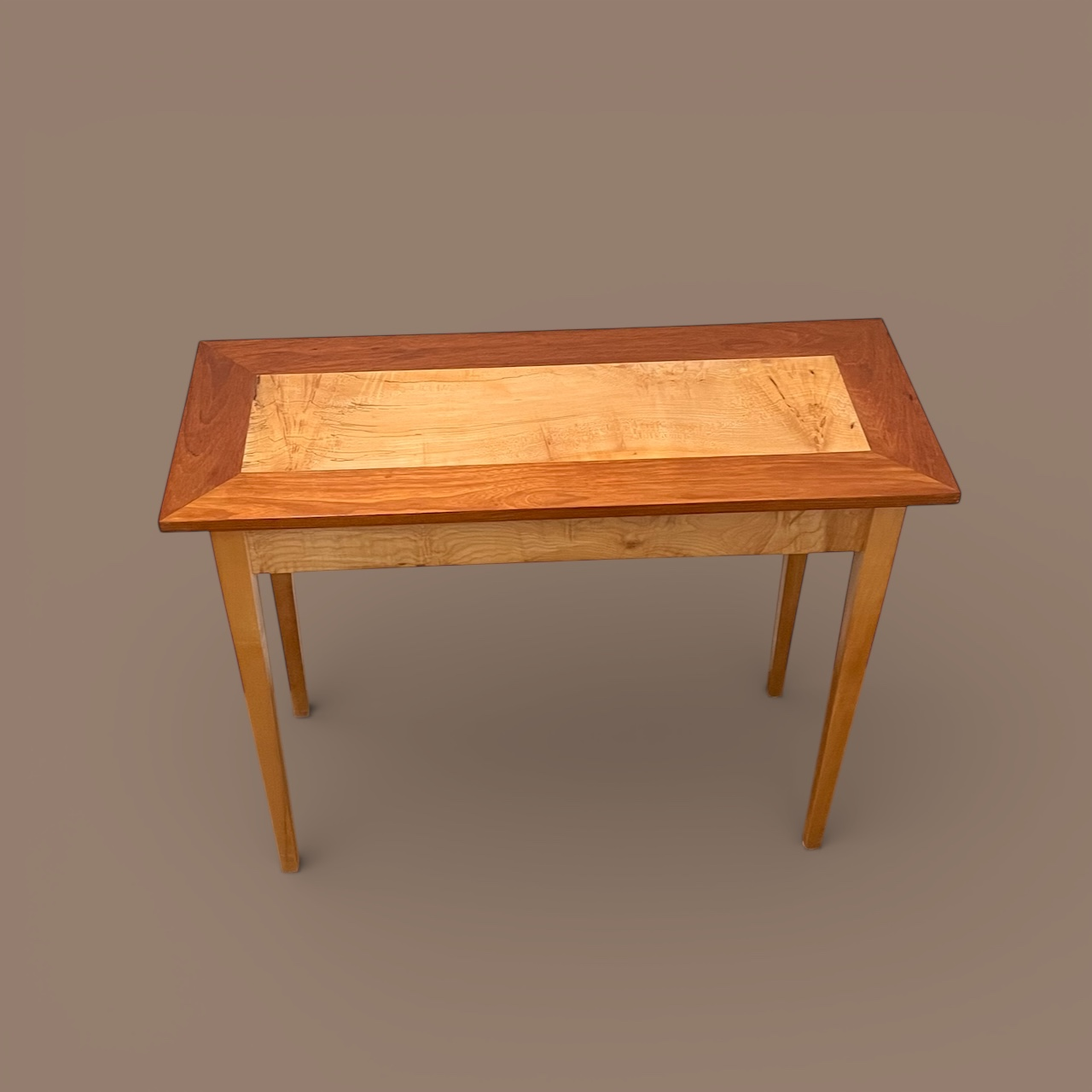
A table isn’t just a surface. It’s where life happens.
A cabinet isn’t just storage. It’s part of how a home works.
When something is made—or chosen—with intention, you treat it differently. You maintain it. You respect it. You let it age.
And when enough people live this way, it changes the culture. Less waste. More care. Better decisions.
Why This Matters Right Now
We’re living in a time where it’s easy to disconnect from consequences. Everything is fast. Everything is replaceable. Everything is optimized for now.
Intentional living pushes back against that.
It reminds us that good things take time. That responsibility is part of freedom. And that building something to last—whether it’s a business, a home, or a life—is worth the effort.
This isn’t about going backward. It’s about choosing a direction that actually holds up.
Living With Intention Is a Choice
No one lives intentionally by accident.
You choose it every time you slow down instead of rush. Every time you fix instead of toss. Every time you decide that long-term value matters more than short-term ease.
Over time, those choices build a life that feels solid. One that doesn’t need constant replacing—just care.
That’s intentional living.


If you enjoy my work and want to talk about a custom piece or a new art idea, I’d love to hear from you.
Send me a message here:
Discover more from Anderson woodworks custom furniture & cabinets
Subscribe to get the latest posts sent to your email.