🪚 Part II: Faux Craft — When ‘Handmade’ Becomes a Marketing Gimmick
The word “handmade” used to carry weight. It stood for heritage, dedication, and the skilled hands of an artisan shaping material with intention. Now? It’s often a sticker slapped on mass-produced items to satisfy a consumer’s craving for authenticity without delivering the substance.
Big-box retailers have cracked the code of aesthetic trickery. Rustic finishes, reclaimed textures, and buzzwords like “hand-touched” and “artisan-style” litter packaging and product pages—but behind the curtain, there’s little more than machines mimicking the soul of true craftsmanship.
This isn’t just marketing fluff; it’s erosion of trust.
When everything is labeled “handcrafted,” nothing truly is. The value of authenticity diminishes when it becomes ubiquitous by design. Consumers, bombarded by manufactured sincerity, are conditioned to expect the look of custom without the price—or the substance.
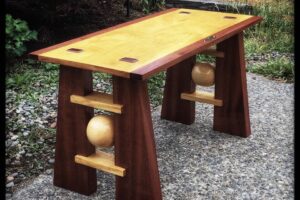
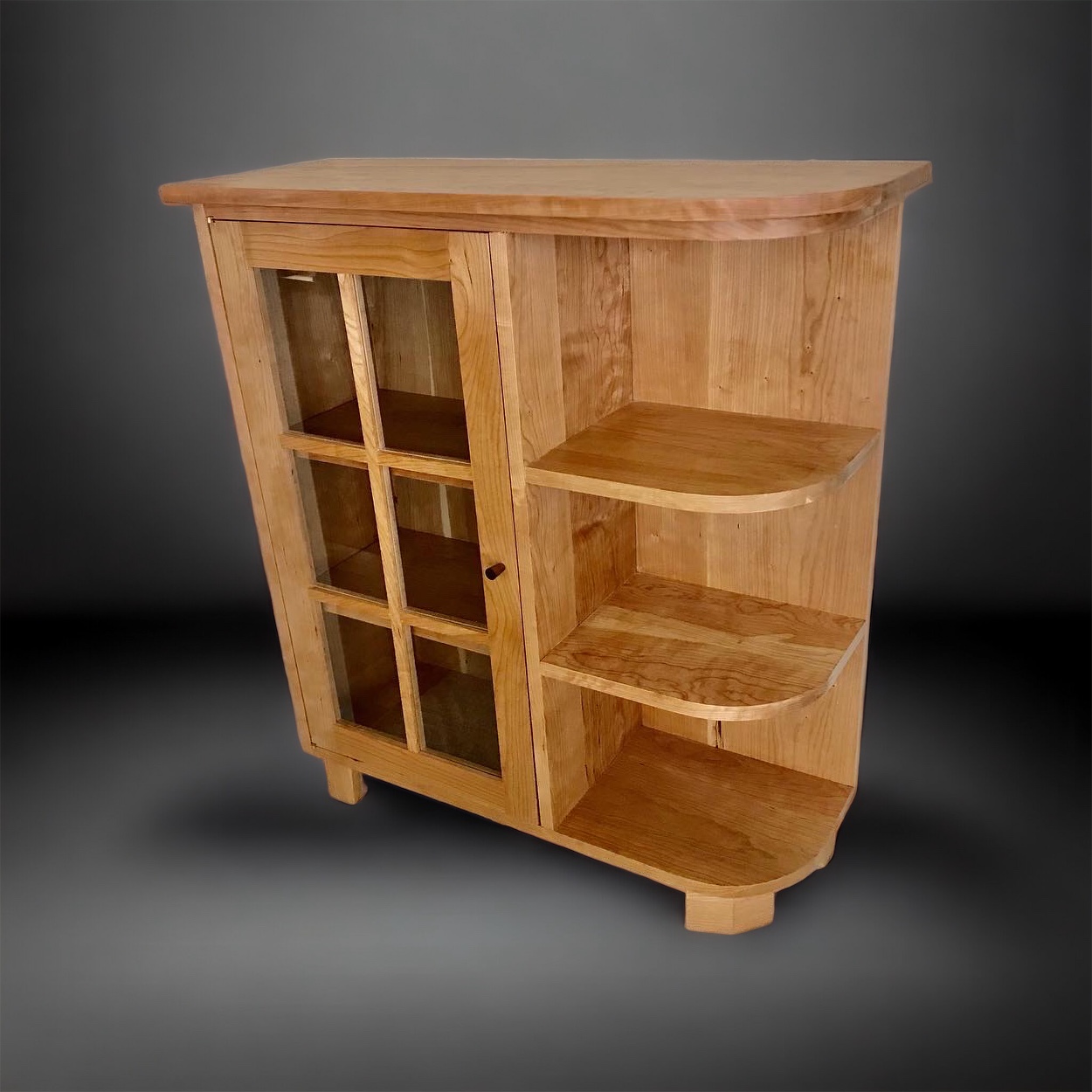
As a craftsman, watching this unfold is both frustrating and galvanizing. I don’t just carve wood—I shape legacy. My work reflects hours of thought, the philosophy of form meeting function, and the belief that furniture should mean something. That belief is undermined when “handmade” becomes a trend instead of a truth.
If the goal is emotional connection, manufactured goods fall short. You can’t mass-produce soul.
If this series resonated with you, I’d be honored if you shared it with someone who values meaningful design.
📌 Like and share to help spread the word
📬 Subscribe for more reflections and behind-the-scenes looks at the craft
🌐 Visit my website to explore bespoke furniture rooted in story and sustainability
Your support doesn’t just help my work—it helps defend a way of creating that values quality, character, and care.
Thank you for being part of that movement.
Discover more from Anderson woodworks custom furniture & cabinets
Subscribe to get the latest posts sent to your email.