

I’ve had clients ask me to craft pieces from American chestnut before—drawn to its warm grain, its legacy, its mythic status in American furniture. But every time I looked into sourcing it, I ran into the same story: a tree once dominant across the Eastern U.S., now nearly vanished. What happened?
This post is my response to that question—and to a deeper concern. In a time when truth is often buried and ecological history is quietly erased, I believe stories like this deserve to be told. The American chestnut isn’t just a tree. It’s a symbol of resilience, loss, and the possibility of restoration. I’ve included a powerful PBS documentary that dives into its history and the blight that decimated it. Let’s dig in.
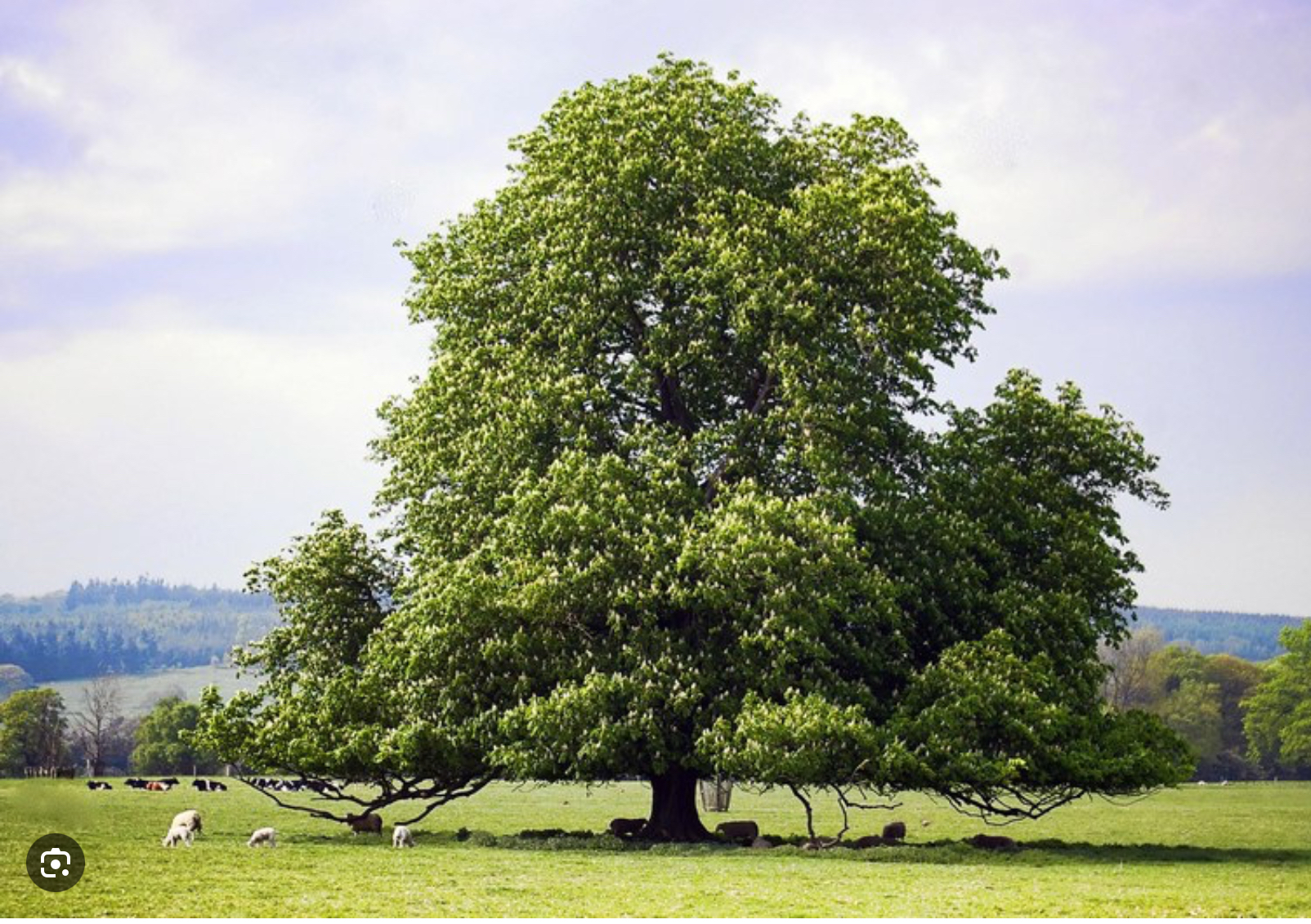
Once towering across the eastern forests of the United States, the American chestnut tree (Castanea dentata) was a keystone species—an ecological giant and cultural cornerstone. Revered for its rot-resistant wood and abundant nuts, it shaped economies, ecosystems, and everyday life. But in the early 20th century, a devastating blight rewrote its story, transforming a symbol of resilience into one of loss and scientific urgency.
A Tree of Titans
Before the blight, the American chestnut was one of the most dominant hardwoods in the Appalachian region:
- Range: From Maine to Mississippi, covering over 200 million acres.
- Size: Mature trees reached heights of 100 feet and diameters of 10 feet.
- Utility: Its straight grain and resistance to decay made it ideal for furniture, fencing, and construction.
- Ecological Role: Chestnuts provided a reliable food source for wildlife and humans alike, with nuts ripening just before winter.
The Blight: A Silent Catastrophe
In 1904, a fungal pathogen (Cryphonectria parasitica) was discovered at the Bronx Zoo. Likely introduced via imported Asian chestnut trees, the blight spread rapidly:
- Mechanism: The fungus enters through wounds, producing cankers that girdle and kill the tree above the infection site.
- Speed: Within decades, the blight wiped out an estimated 4 billion trees.
- Impact: Entire ecosystems shifted. Economies dependent on chestnut timber and nut harvests collapsed. Cultural traditions tied to the tree faded.
Scientific Resistance and Restoration
The loss of the American chestnut sparked one of the most ambitious restoration efforts in botanical history:
- Backcross Breeding: Scientists cross American chestnuts with blight-resistant Chinese chestnuts, then backcross to retain American traits while preserving resistance.
- Genetic Engineering: Researchers at SUNY-ESF developed a transgenic chestnut with a wheat gene that detoxifies the blight’s acid.
- Citizen Science: Organizations like The American Chestnut Foundation mobilize volunteers to plant, monitor, and advocate for restoration.
Philosophical and Ecological Reflections
The chestnut’s story is more than botanical tragedy—it’s a mirror of human intervention, ecological fragility, and the possibility of redemption:
- Legacy and Memory: The tree lives on in oral histories, old barns, and Appalachian folklore.
- Activism and Hope: Restoration efforts blend science with civic engagement, reminding us that healing ecosystems is a collective act.
- Beauty and Impermanence: The chestnut teaches us that even giants fall—but with care, they may rise again.
Looking Forward
Restoring the American chestnut is not just about bringing back a tree—it’s about restoring balance, memory, and resilience. As scientists, citizens, and storytellers unite, the chestnut’s future may yet echo its past: strong, generous, and rooted in community.
Join the Movement: Support restoration efforts through The American Chestnut Foundation, participate in local plantings, or share your own chestnut memories. Every story, seed, and step matters.
Hear is a link to a pbs documentary about the tree and the foundation that is trying to save it
Please like and share and subscribe
Discover more from Anderson woodworks custom furniture & cabinets
Subscribe to get the latest posts sent to your email.
