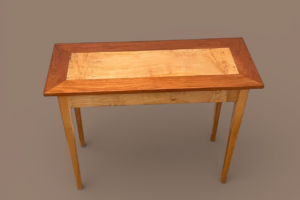
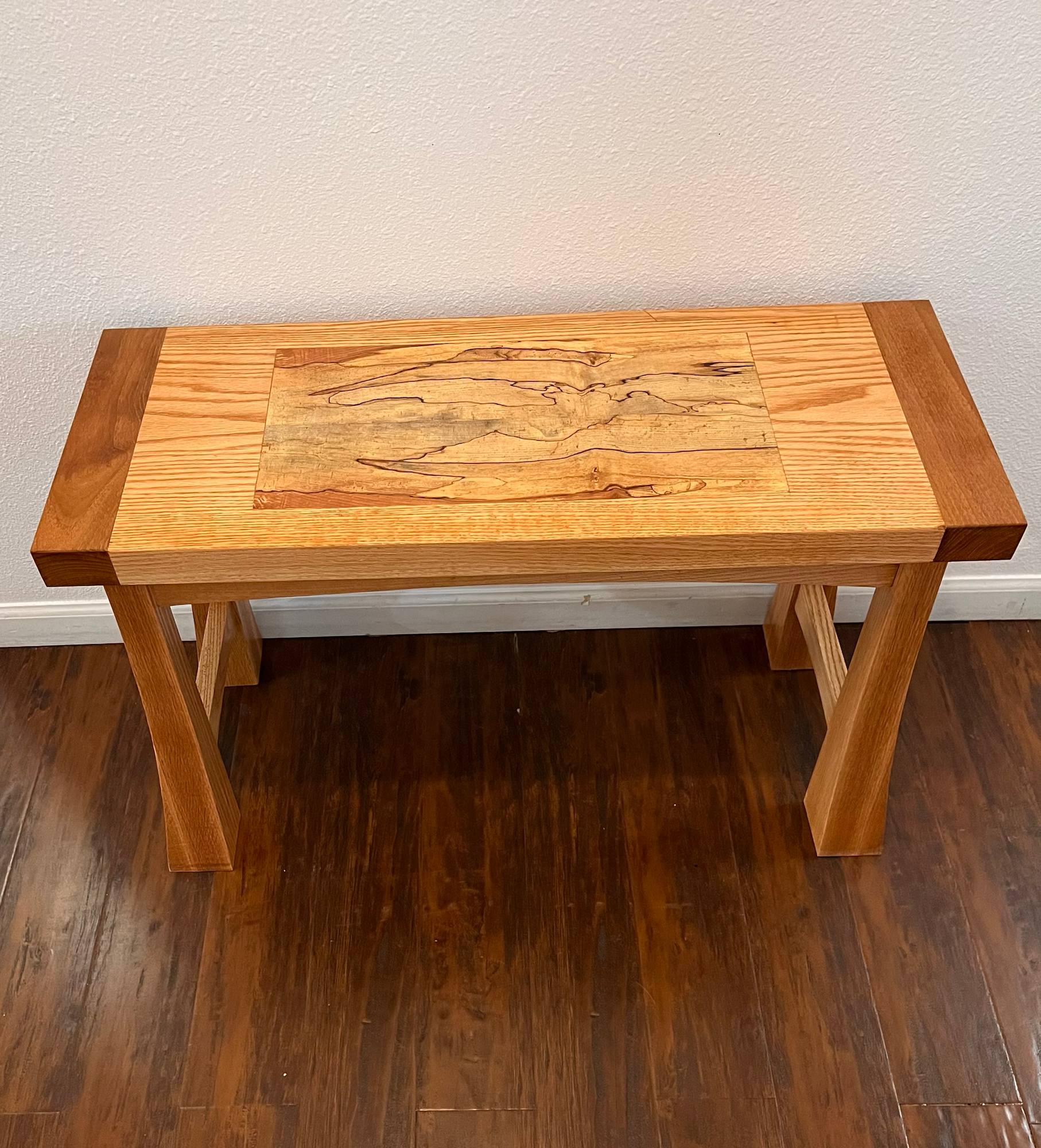

For collectors and architects, furniture is not decoration. It is part of the built environment. When chosen well, solid wood furniture reinforces the intent of a space—quietly, precisely, and without explanation.
The most successful interiors do not rely on abundance. They rely on alignment: between architecture, material, proportion, and purpose.
Architecture Leads. Furniture Responds.
A home already contains its own logic. Ceiling height, light quality, rhythm of openings, and structural expression all dictate what belongs within it. Furniture that ignores these cues becomes visual noise.
In architecturally driven spaces, furniture should act as an extension of the structure. Pieces with clear geometry, honest construction, and deliberate restraint tend to integrate rather than interrupt. In older homes, this may mean visible joinery and mass. In contemporary environments, it often means precision, negative space, and clarity of form.
The question is not “What style do I like?” but “What does this building ask for?”
Style as a Function of Use and Permanence
Collectors understand that lasting design is rarely expressive. It is resolved.
Furniture intended to live with a home for decades should avoid novelty. Shaker-derived forms, craft-informed cabinetry, and refined modern profiles endure because they solve problems simply and honestly. These styles leave room for architecture, art, and life itself.
Good furniture does not demand attention—it earns it over time.
Wood Species as Architectural Material
Wood selection is often treated as a color choice. For serious collectors and designers, it is a structural and atmospheric decision.
White Oak offers neutrality with strength. Its grain reads clearly without dominance, making it ideal for spaces where balance and longevity matter.

Walnut introduces depth and warmth without excess. Used thoughtfully, it anchors a room while maintaining refinement.
Maple recedes, allowing proportion and form to lead. It is well suited to minimal architecture and detail-forward spaces.
Cherry evolves. Its transformation over time appeals to those who value patina and the passage of years as part of the design.

Mahogany brings gravity. It belongs in spaces where tradition, scale, and formality are already established.
Each species carries weight—visually, structurally, and emotionally. Choosing one is less about preference and more about intent.
Grain, Variation, and the Value of Imperfection
Collectors recognize that uniformity is a modern invention. Solid wood carries evidence of growth, tension, and time. These characteristics are not defects—they are proof of authenticity.
A well-made piece does not hide the material. It organizes it. Grain selection, board orientation, and joinery should feel intentional, not erased.
Over time, wear becomes part of the surface language. Patina is not damage—it is participation.
Proportion Is the Silent Luxury
Luxury reveals itself in restraint. Scale, alignment, and spacing are often more important than species or finish.
Tables should relate to circulation, cabinets to fenestration, and storage to human reach. When furniture is properly proportioned, it feels inevitable—never forced.
This level of resolution is difficult to achieve without designing specifically for the space.
Why Custom Matters in Architecturally Significant Homes
In homes where architecture has been carefully considered, off-the-shelf furniture often feels temporary. Custom work allows furniture to share the same logic as the building itself.
Dimensions align. Materials converse. Details are resolved rather than compromised.
The result is not a showpiece—it is continuity.
A Quiet Invitation
For collectors, architects, and homeowners who value permanence over trend, solid wood furniture is less about acquisition and more about stewardship.
If you’re exploring a piece that needs to integrate—not decorate—your space, a thoughtful design conversation is often the best place to begin. Sometimes the right solution is obvious. Sometimes it needs to be drawn, tested, and refined.
Either way, the goal is the same: furniture that belongs.
If you’re considering a handcrafted piece for your home—or want to understand which line fits your needs—I invite you to reach out.
Start a conversation here:
Craft isn’t about excess.
It’s about choosing what matters.
Discover more from Anderson woodworks custom furniture & cabinets
Subscribe to get the latest posts sent to your email.