Most rooms fail before the first accessory ever shows up. The problem is not paint, styling, or a missing rug. It is that the room was never truly organized around the pieces that matter most. Furniture led interior design corrects that by starting where real daily use begins – with the furniture itself.
This is not decorating. It is a more disciplined way to design a room, where scale, circulation, storage, material, and atmosphere all follow from the key pieces that define how the space works. A dining table sets social rhythm. A built-in office wall determines focus and efficiency. An entry bench changes how arrival feels. When those elements are treated as foundational rather than optional, the room becomes coherent.
What furniture led interior design actually means
Furniture led interior design is an approach where the major furniture pieces are decided first and used to shape the entire room. Instead of choosing finishes, lighting, and decorative layers and then trying to fit furniture into what remains, the process reverses the order. The room is built around the furniture’s dimensions, purpose, visual weight, and relationship to movement.
That sounds obvious, but it is not how many interiors are created. Too often, homeowners are shown mood boards full of colors and reference images with very little attention paid to how a room will actually perform. The result is familiar – oversized sectionals choking circulation, undersized tables floating awkwardly in large rooms, generic storage that never solves the actual problem, and spaces that look assembled rather than resolved.
A furniture-led process asks harder questions at the beginning. What needs to happen in this room every day? Which piece carries the most visual and functional responsibility? What deserves permanence? Where should storage be integrated instead of added later? Those answers drive the design.
Why starting with furniture leads to better rooms
When the furniture comes first, proportion improves immediately. A room feels calm when the primary pieces are the right size and placed with intention. That calm does not come from minimalism or from spending more on finishes. It comes from order.
Function improves too. A custom desk wall, for example, can account for printer storage, wire management, task lighting, books, and display in one move. That is far stronger than buying a desk, then a cabinet, then a shelf, then trying to make them behave like a unified system. The same is true in dining rooms, studies, and entry areas where one well-considered piece can solve three or four problems at once.
Material choices also become clearer. Once the primary furniture is established, woods, metals, textiles, wall treatments, and cabinetry can be selected to support it rather than compete with it. This creates depth without visual noise. The room feels intentional because it is.
There is also a financial benefit, though not in the bargain-bin sense. Furniture led interior design often prevents the expensive cycle of buying temporary solutions, replacing them, and paying twice for a room that still feels unresolved. Better decisions at the beginning reduce waste later.
Furniture led interior design is not trend-based styling
This distinction matters. Trend-based interiors usually begin with a look. The goal is to capture an image, often borrowed from hospitality, social media, or mass-market catalogs. Furniture becomes part of the aesthetic package, but rarely the governing element.
That approach can work if the homeowner wants a quick visual update and is comfortable revisiting the room in a few years. But it tends to age fast because it is built on surface-level cues. Once those cues shift, the room loses conviction.
Furniture led interior design is different because it is grounded in use, permanence, and craft. It favors pieces with structural and visual authority. It asks whether the joinery makes sense, whether the scale suits the architecture, whether the storage is adequate, and whether the piece will still deserve its place ten years from now.
It does not reject beauty. It rejects disposability.
Which rooms benefit most from a furniture-led approach
Not every room needs the same level of intervention, but some spaces benefit enormously from this method because their success depends on one or two dominant elements.
Home offices and studies
A serious work space should not feel like leftover square footage. The desk, storage, shelving, and lighting need to function as a system. When designed around custom furniture or built-ins, the room gains focus and discipline. When assembled from unrelated pieces, it usually ends up either cluttered or underperforming.
Dining rooms
A dining room is defined by the table. Shape, length, leg placement, seating count, and clearance all determine how people gather and move. If the table is wrong, everything around it becomes compensation. If the table is right, the entire room settles into place.
Entry areas
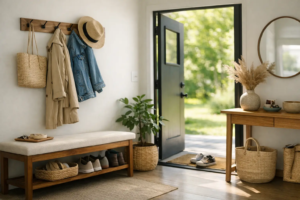
Entry spaces are often treated as decorative transitions, but they are working zones. Coats, shoes, bags, keys, seating, and first impressions all converge there. A furniture-led solution can bring order without making the space feel utilitarian.
Living rooms with built-ins
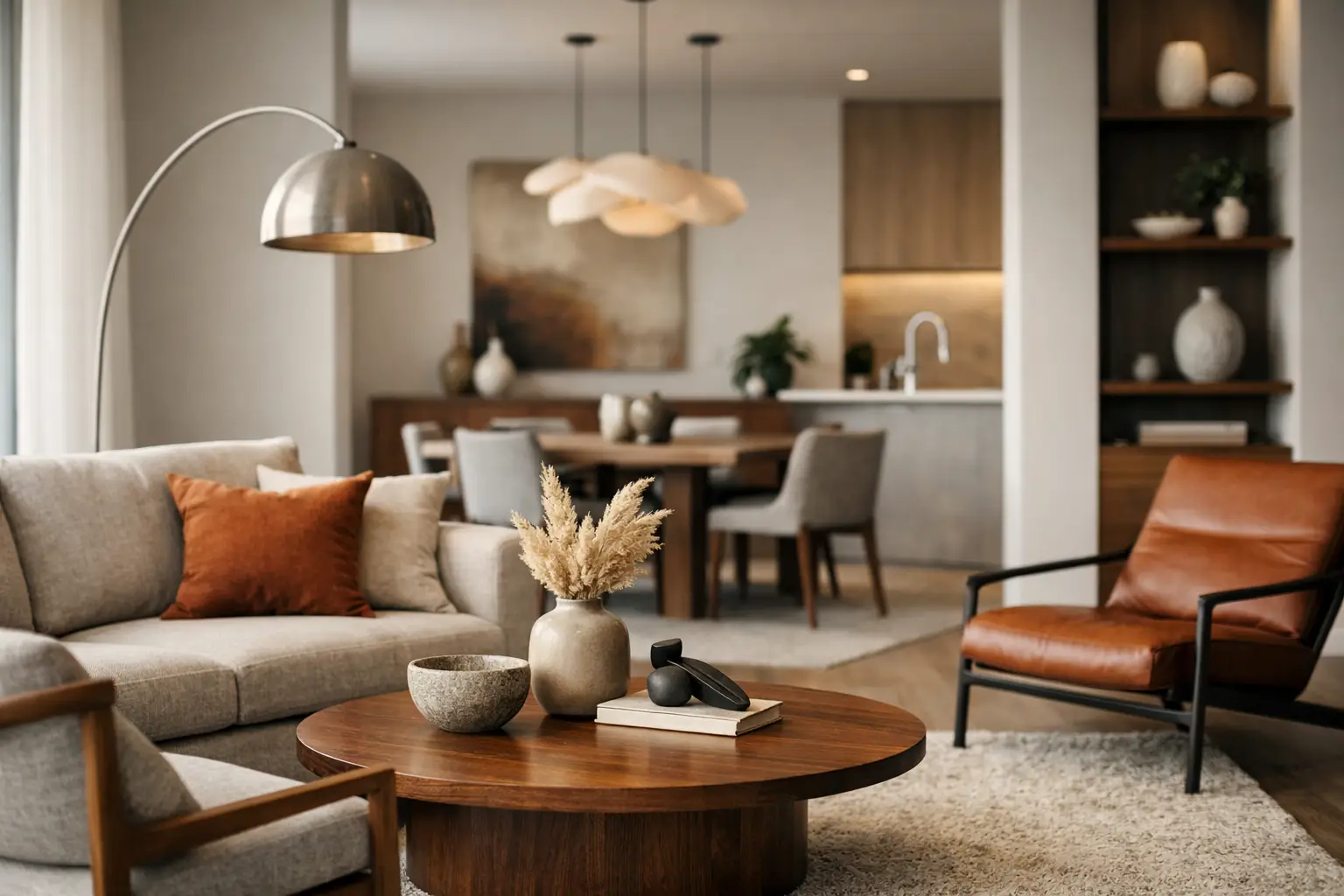
When a media wall, library wall, or fireplace surround is integrated with furniture thinking, the room gains structure. Storage, display, sight lines, and seating relationships become much easier to resolve.
The trade-offs homeowners should understand
A furniture-led interior is not the fastest path, and it is not always the cheapest up front. Custom pieces, room-specific planning, and careful fabrication take time. They also require commitment. You cannot keep every option open forever and expect a room to become decisive.
There is also a difference between wanting custom work and being ready for it. Truly tailored design asks clients to make clear choices about how they live, what they value, and what deserves permanence. Some people find that refreshing. Others realize they would rather keep things flexible and provisional. Neither is morally superior, but they lead to very different outcomes.
It also depends on the room. In a guest bedroom used a few weekends a year, a fully bespoke approach may not be necessary. In a daily-use office, dining room, or family entry, it often makes far more sense.
How the process should work
A strong furniture-led project begins with analysis, not inspiration. The room is measured. Traffic paths are reviewed. Existing architecture is considered. Daily routines are discussed plainly. This is where frustrations surface – not enough storage, poor lighting, awkward corners, furniture that blocks movement, or pieces that never fit the room in the first place.
From there, the lead furniture elements are established. In some rooms that may mean a custom table and complementary casework. In others, it may mean a built-in wall, a bench with hidden storage, or a cabinet designed to correct a functional deficiency. These pieces are not chosen because they are dramatic. They are chosen because they organize the room.
After that, supporting decisions become easier and sharper. Lighting can be placed where it belongs. Finishes can reinforce the architecture. Secondary furniture can be selected for balance rather than guesswork. The room begins to feel resolved because the hierarchy is clear.
This is where a studio that understands both design and fabrication has an advantage. The ideas do not stop at concept boards. They move into dimensions, drawings, material selections, and construction logic. At Anderson Woodworks, that translation from design direction to handcrafted furniture is the point. The room is not styled around generic products. It is built around pieces with purpose.
What to look for in a designer or maker
If you are considering a furniture-led approach, look for someone who talks about proportion, layout, use, and construction before talking about trends. Ask how they determine size. Ask how they address circulation. Ask what gets built first and why.
Pay attention to whether they can explain the room as a system. A good answer should connect furniture to architecture, storage, and movement. It should not sound like product sourcing with a nicer vocabulary.
Also ask how decisions are documented. Serious design should produce more than inspiration images. You should expect clear direction, defined scope, and enough specificity to understand what is being built or specified and how it supports the room.
The real value of designing from the furniture outward
A well-made room feels inevitable. Not flashy, not overfilled, not borrowed from someone else’s feed. It simply feels right because the major decisions were made in the right order.
That is the real strength of furniture led interior design. It gives the room a backbone. It replaces guesswork with proportion, clutter with purpose, and temporary fixes with pieces that actually deserve to stay. If you want a home that reflects how you live and what you value, start with the furniture that will carry that weight every day.
Discover more from Anderson woodworks custom furniture & cabinets
Subscribe to get the latest posts sent to your email.