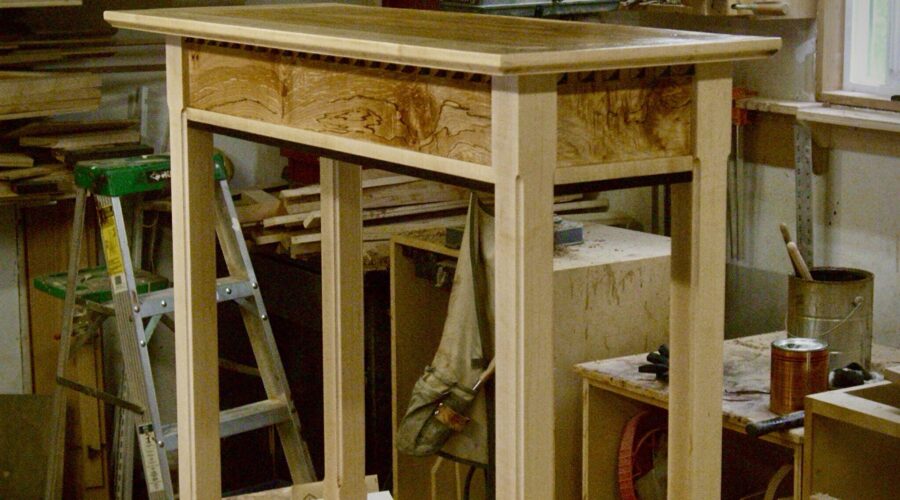
When it comes to furnishing your home, the choices can be overwhelming. Among the most important decisions is whether to invest in handcraftedsolid wood furniture or opt for mass-produced, manufactured pieces. While both have their place, the differences in long-lasting value are significant—and worth considering before making your next purchase.
The Craft of Handcrafted Solid Wood Furniture
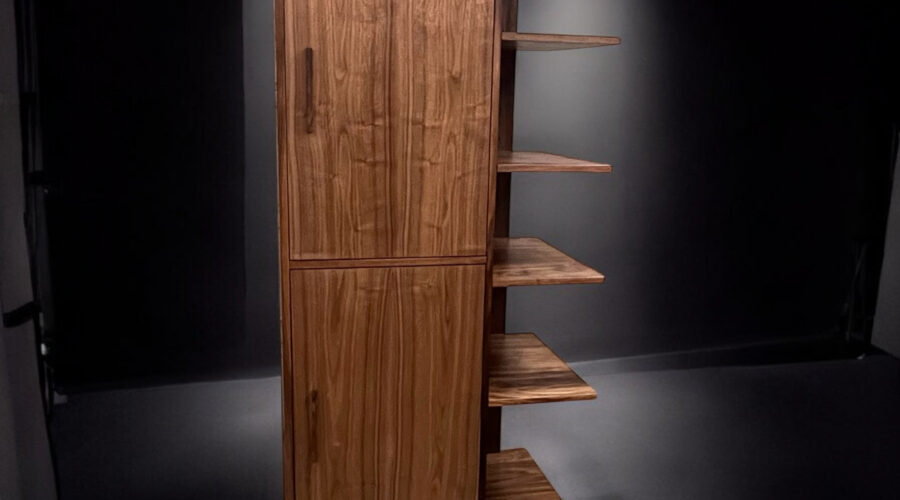
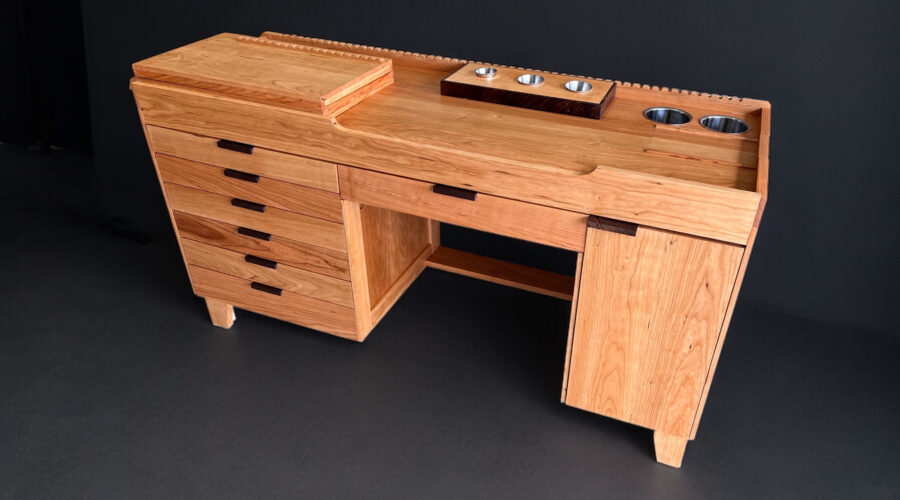
Handcrafted solid wood furniture is a testament to tradition, skill, and artistry. Each piece is carefully constructed by skilled artisans, often using time-honored techniques passed down through generations. The choice of wood—oak, walnut, cherry, maple, and more—adds a unique character and warmth to every item.
Why does this matter?
Durability: Solid wood is incredibly strong and, when properly cared for, can last for decades or even centuries.
Repairability: Scratches, dents, and wear can be sanded out or refinished, restoring the piece to its original beauty.
Timeless Design:Handcrafted furniture often features classic designs that transcend trends, ensuring it remains stylish for years to come.
Personal Touch: Each item is unique, with subtle variations in grain and finish that mass-produced furniture can’t replicate.
The World of Manufactured Furniture
Manufactured furniture, especially those made from particleboard, MDF, or veneer, is designed for efficiency and affordability. These pieces are often produced in large quantities, making them accessible to a wide range of consumers.
What are the trade-offs?
Affordability: Manufactured furniture is typically less expensive upfront, making it a budget-friendly option.
Variety: There’s a vast range of styles and finishes to choose from, catering to every taste.
Convenience: Flat-pack designs are easy to transport and assemble.
However, the lower price often comes at the cost of longevity. Engineered woods and veneers are more susceptible to water damage, warping, and general wear and tear. Repairs are difficult, and once damaged, these pieces are often discarded rather than restored.
Long-Term Value: An Investment Perspective
When evaluating the long-term value of furniture, it’s important to look beyond the initial price tag.
Handcrafted solid wood furniture can become family heirlooms, passed down through generations. Their value often appreciates over time, especially if crafted by renowned artisans.
Manufactured furniture is more likely to end up in landfills within a few years. This contributes to environmental waste. It also requires frequent replacement.
Sustainability and Environmental Impact
Solid wood furniture, especially when sourced from responsibly managed forests, is a more sustainable choice. Its longevity means fewer resources are consumed over time. Manufactured furniture, on the other hand, often uses glues and chemicals. These substances can off-gas into your home. They are less environmentally friendly.
Conclusion: Quality Over Quantity
Manufactured furniture has its place. This is especially true for those on a tight budget or needing temporary solutions. However, the long-lasting value of this handcrafted solid wood furniture is hard to beat. It’s an investment not just in your home’s aesthetics, but in durability, sustainability, and heritage.
When you choose handcrafted, you’re not just buying furniture. You’re bringing home a piece of art, a slice of history, and a future heirloom.
Don’t forget to like and subscribe for more woodworking inspiration! If you’re interested in bringing a unique Heirloom piece into your home, visit my commission page to learn more about how you can commission Anderson Woodworks. Let’s craft something special for your family!
Processing…
Success! You're on the list.
Whoops! There was an error and we couldn't process your subscription. Please reload the page and try again.
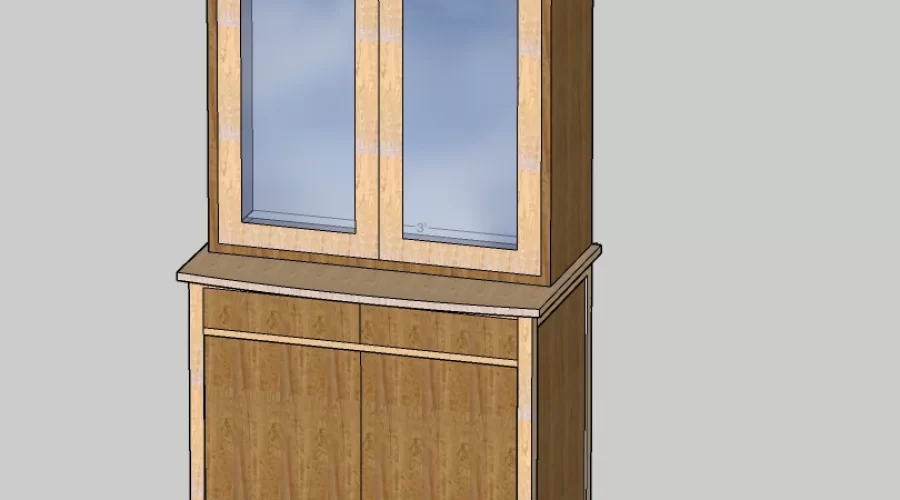
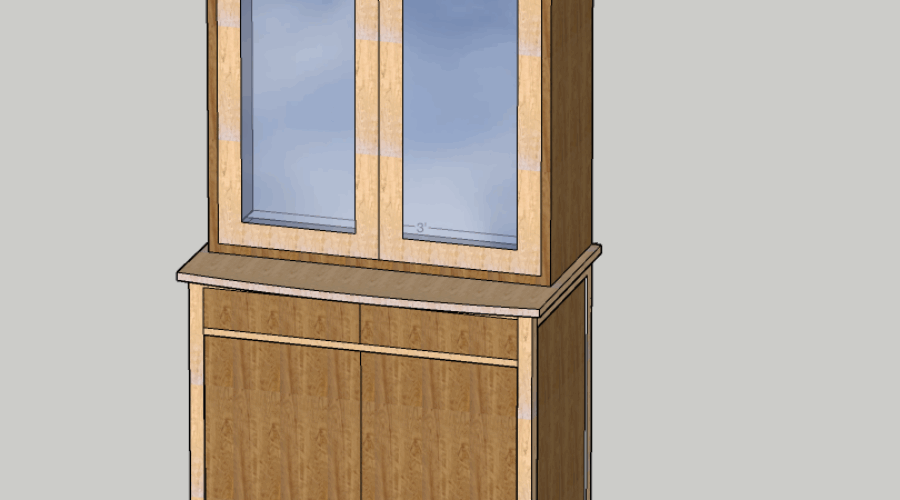
I’m excited to share something new in my store! As you know, I design all my furniture before I build it. Sometimes, certain designs don’t make it into a client’s final choice—for all sorts of reasons. I’ve decided to showcase these unique pieces. They won’t gather dust in a brand new section of my store.
If you see a design you like, you can order it as-is—or make it your own! You have the choice to change each piece with marquetry, simple inlay, or even contrasting woods. Just send me an email if you’d like to make changes or if you’re ready to place an order. I’ll get back to you with pricing details.
Want to stay in the loop? Sign up for my email list! I send out a monthly blog post. In it, I share updates on what I’m working on. I also highlight new designs and behind-the-scenes stories from the workshop.
Thanks for your support and interest in my work!
Processing…
Success! You're on the list.
Whoops! There was an error and we couldn't process your subscription. Please reload the page and try again.
When it comes to furnishing your home, the temptation to go for that affordable, mass-produced piece is real. After all, who doesn’t love a bargain? But while the price tag on a big-box store sofa or table might seem appealing at first glance, the true cost often reveals itself over time. In contrast, investing in quality handcraftedfurniture can actually save you money—and headaches—in the long run. Here’s why:
1. Handcrafted Furniture Lasts for Generations
The most significant advantage of handcrafted furniture is its longevity. Artisans use time-honored techniques, premium materials, and meticulous attention to detail. This means your handcrafted dining table or bookshelf isn’t just a purchase for today—it’s an heirloom that can be passed down for decades. In contrast, mass-produced furniture is often made with cheaper materials like particleboard or veneer, which can warp, chip, or break within a few years.
The result: You may have to replace that “budget” piece every few years, while your handcrafted item keeps looking beautiful year after year.
2. Lower Lifetime Cost
Let’s do the math. Suppose you buy a $300 mass-produced coffee table that lasts five years before it needs replacing. Over 20 years, you’ll spend $1,200 on four tables. Now, imagine investing $900 in a handcrafted table that lasts 20 years or more. Not only do you save $300, but you also avoid the hassle of shopping, delivery, and disposal multiple times.
Quality saves you money by reducing the frequency and cost of replacement.
3. Timeless Design and Customization
Handcrafted furniture is often customizable, meaning you can choose the size, finish, and features that perfectly fit your space and style. These pieces are designed to be timeless, not just trendy. Mass-produced furniture, on the other hand, tends to follow fleeting trends and can quickly look dated, prompting you to redecorate sooner than you’d planned.
A timeless piece means you won’t feel the urge to replace it just to keep up with changing styles.
4. Better Materials = Fewer Repairs
Handcrafted furniture makers typically use solid woods and high-quality hardware, making their products sturdier and more resilient. Mass-produced pieces often cut corners with low-grade materials that are prone to damage. Repairing or reinforcing these cheaper items can add up over time, both in cost and inconvenience.
Investing in quality means fewer repairs and less frustration.
5. Sustainability and Value Retention
Quality furniture is more sustainable. It doesn’t end up in landfills after a few years, and it often retains or even increases in value over time, especially if made by a reputable artisan. If you ever decide to sell, handcrafted pieces are more likely to find a new home—and fetch a good price—than their mass-produced counterparts.
You’re not just buying furniture; you’re making a sustainable investment.
In Conclusion
While the sticker shock of handcrafted furniture can be real, it’s essential to look beyond the initial price tag. The durability, beauty, and value of quality craftsmanship far outweigh the short-lived savings of mass-produced pieces. By investing in handcrafted furniture, you’re not just furnishing your home—you’re making a wise financial decision that pays off for years to come.
I strive to help my clients and the public understand that this is how you create generational wealth. When you invest in pieces that last, you’re not just saving money—you’re building lasting value for your family and future generations.
Choose quality. Your wallet—and your legacy—will thank you.
Take a look around my website maybe it will give you inspiration.
Processing…
Success! You're on the list.
Whoops! There was an error and we couldn't process your subscription. Please reload the page and try again.
As technology continues to shape our lives, furniture designers are finding innovative ways to blend classic forms with modern functionality. The hutch and side table are no exceptions. Imagine a hutch with built-in LED lighting that highlights your favorite collectibles, or shelves with wireless charging pads for your devices. Some contemporary side tables now come equipped with USB ports, Bluetooth speakers, or even mini refrigerators—perfect for the tech-savvy homeowner.
This fusion of tradition and technology ensures that hutches and side tables remain relevant, offering both the warmth of craftsmanship and the convenience of modern living. As smart homes become more common, expect to see even more creative integrations in the years ahead.
Sustainability and the Circular Economy
Another trend shaping the future of furniture is the growing emphasis on sustainability. Many consumers are seeking out pieces made from reclaimed wood, recycled materials, or sustainably harvested timber. The durability and timeless style of hutches and side tables make them ideal candidates for reuse and upcycling, reducing waste and supporting a circular economy.
Some designers are even creating modular hutches and tables that can be easily disassembled, repaired, or repurposed, extending their lifespan and minimizing environmental impact. This approach not only benefits the planet but also allows for greater personalization and adaptability as needs change.
Customization and Personal Expression
The future of hutches and side tables is also about self-expression. Advances in digital fabrication—from CNC routers to 3D printing—allow for unprecedented customization. Homeowners can now commission pieces tailored to their exact specifications, choosing everything from the wood species and finish to the hardware and proportions.
This democratization of design means that hutches and side tables will continue to evolve, reflecting the unique personalities and lifestyles of those who use them. Whether you prefer a minimalist Scandinavian look, a rustic farmhouse vibe, or a bold, contemporary statement, there’s a hutch or side table out there for you.
Chapter 10: Design Inspiration—Choosing the Right Hutch or Side Table
Assess Your Space and Needs
Before selecting a hutch or side table, take stock of your space and how you plan to use the piece. Are you looking for extra storage in the dining room, a display case for your collectibles, or a compact table for your reading nook? Measure your available space carefully and consider traffic flow to ensure your new furniture fits seamlessly into your home.
Consider Style and Materials
Think about the overall style of your home and choose a piece that complements your existing decor. For a traditional look, opt for a solid wood hutch with classic detailing or a Chippendale-style side table. For something more modern, consider a sleek, minimalist design in walnut, glass, or metal.
Don’t be afraid to mix and match styles—an antique hutch can add character to a contemporary space, while a modern side table can provide a fresh contrast in a room full of vintage finds.
Functionality and Features
Look for features that enhance usability. Adjustable shelves, drawers, and cabinets can maximize storage and organization. For side tables, consider whether you need built-in charging, extra shelving, or a design that can double as a stool or plant stand.
Quality and Craftsmanship
Personal Touches
Finally, make your hutch or side table your own. Style your hutch with a mix of practical and decorative items—favorite dishes, family photos, fresh flowers, or a collection of cookbooks. Use your side table to display a lamp, a stack of books, or a cherished memento. These personal touches turn functional furniture into meaningful parts of your home.
Chapter 11: Hutches and Side Tables—A Timeless Legacy
Why We Still Love Them
So, what is it about hutches and side tables that has allowed them to endure for centuries? Perhaps it’s their versatility—these pieces can adapt to any room, any style, and any need. Perhaps it’s their ability to blend beauty and function, offering both practical storage and a canvas for self-expression. Or maybe it’s the sense of continuity they provide, connecting us to generations past and to the craftspeople who shaped them.
In a world that often feels fast-paced and disposable, hutches and side tables remind us of the value of things made to last. They are witnesses to family gatherings, quiet evenings, and everyday moments. They hold our stories as surely as they hold our possessions.
Conclusion
From medieval chests and Renaissance display cabinets to Victorian showpieces and modern marvels, the history of hutches and side tables is a testament to human ingenuity and creativity. These pieces have evolved alongside us, reflecting our changing needs, tastes, and technologies. Yet, at their core, they remain what they have always been: essential, adaptable, and beloved parts of our homes.
Whether you inherit a centuries-old Welsh dresser, discover a mid-century side table at a flea market, or commission a custom piece for your contemporary loft, you are participating in a rich tradition that spans cultures and generations. Hutches and side tables are more than just furniture—they are keepers of memories, symbols of hospitality, and expressions of who we are.
Invest in quality whenever possible. Well-made hutches and side tables are built to last, with sturdy joinery, smooth finishes, and attention to detail. If you’re buying vintage or antique, inspect for signs of damage or poor repairs. For new pieces, choose reputable makers who prioritize sustainable materials and ethical practices.
What’s your story? Do you have a favorite hutch or side table that’s been in your family for years, or a new piece that brings you joy every day? Share your stories and photos in the comments below! And if you’re inspired to add a new (or old) hutch or side table to your home, remember: choose with your heart, care for it well, and let it become a part of your own history. If you want to start your family’s story and commission me to create your pice visit my Commissions page
**Thank you for joining me on this journey through the history of hutches and side tables. For more design inspiration, furniture history, and tips for creating a home you love, subscribe to the blog and follow along on social media! Please visit ore of my website
Processing…
Success! You're on the list.
Whoops! There was an error and we couldn't process your subscription. Please reload the page and try again.
Chapter 5: Hutches and Side Tables in Contemporary Homes
Versatility in the Modern Er
In the 21st century, hutches and side tables have proven their staying power by adapting to the ever-evolving needs of modern households. No longer confined to the dining room or living room, these pieces have found new roles in home offices, bedrooms, entryways, and even bathrooms.
The modern hutch is a chameleon. In a farmhouse kitchen, it might serve as a pantry, storing dry goods and displaying pottery. In a home office, it transforms into a bookshelf or a storage unit for office supplies. In open-plan living spaces, hutches can act as subtle room dividers, providing both function and visual interest.
Side tables have likewise multiplied in form and function. The classic end table next to a sofa remains popular, but now we see C-shaped tables that slide over the arm of a chair, nesting tables that can be stacked or spread out for entertaining, and compact tables with built-in USB ports and wireless charging pads. The side table’s small footprint and mobility make it indispensable in apartments and tiny homes, where every inch counts.
Personalization and DIY Culture
One of the hallmarks of contemporary design is personalization. Homeowners are increasingly seeking pieces that reflect their tastes, values, and lifestyles. This has led to a resurgence in DIY and upcycling, as people refinish vintage hutches or repurpose old side tables into something new and unique.
Social media platforms like Pinterest and Instagram are brimming with creative projects: a mid-century side table painted in bold colors, a hutch converted into a coffee bar, or a set of mismatched tables unified with a coat of chalk paint. This DIY spirit not only breathes new life into old furniture but also fosters a deeper connection between people and the objects in their homes.
Sustainability and Ethical Choices
As awareness of environmental issues grows, many consumers are turning to sustainable and ethical furniture choices. Vintage hutches and side tables are being rescued from thrift stores and flea markets, their solid wood construction and timeless design making them a green alternative to fast furniture.
Many contemporary furniture makers now prioritize eco-friendly materials, low-VOC finishes, and responsible sourcing. Some even offer modular hutches and side tables that can be disassembled and recycled at the end of their lifecycle. This shift reflects a broader cultural movement toward mindful consumption and the enduring value of well-made furniture.
Chapter 6: Iconic Designs and Cultural Significance
Famous Hutches Through History
The Welsh Dresser: Perhaps the most iconic hutch is the Welsh dresser, a staple of rural homes in Wales and England since the 17th century. Traditionally made of oak or pine, the dresser features open shelves for displaying plates, cups, and jugs, with cupboards or drawers below for storage. The Welsh dresser is more than just a piece of furniture; it’s a symbol of hospitality and family heritage, often passed down through generations.
The Hoosier Cabinet: In early 20th-century America, the Hoosier cabinet revolutionized kitchen organization. Manufactured primarily in Indiana (the “Hoosier State”), these cabinets combined storage, workspace, and built-in accessories like flour sifters, spice racks, and pull-out bins. The Hoosier became a must-have for efficient homemakers and is now a sought-after collectible.
The Colonial Hutch: In New England and the American colonies, hutches were often built-in or crafted by local carpenters. These pieces were simpler than their European counterparts, reflecting the practical needs and resourcefulness of early settlers. Today, antique colonial hutches are prized for their rustic charm and historical significance.
Notable Side Tables
Chippendale Side Table: Named after the renowned 18th-century English cabinetmaker Thomas Chippendale, these tables are distinguished by their elegant cabriole legs, ball-and-claw feet, and intricate carving. Chippendale side tables exemplify the height of Georgian craftsmanship and remain highly collectible.
Noguchi Table: Designed by Japanese-American sculptor Isamu Noguchi in 1947, the Noguchi table is a masterpiece of mid-century modern design. Its sculptural base and freeform glass top blur the line between furniture and art, making it a favorite among design enthusiasts.
Scandinavian Nesting Tables: Scandinavian designers like Hans Wegner and Alvar Aalto popularized the concept of nesting tables in the mid-20th century. These sets of graduated tables can be used together or separately, offering flexibility and understated elegance.
Chapter 7: Hutches and Side Tables Around the World
Asian Influences
In China, the “altar table” and “cabinet” have been central to domestic interiors for centuries. Chinese cabinets, often made of elm or rosewood, feature brass hardware and intricate joinery. The Japanese “tansu” chest, with its modular design and sliding doors, has influenced Western furniture since the 19th century. These pieces are celebrated for their simplicity, functionality, and attention to detail.
French and Italian Elegance
French hutches, such as the “vaisselier” and “buffet,” are known for their graceful curves, ornate carvings, and painted finishes. In Italy, side tables called “guéridons” were popular in the 18th and 19th centuries, often featuring marble tops and gilded accents. These European designs have inspired countless reproductions and continue to influence contemporary furniture makers.
Scandinavian Simplicity
Scandinavian furniture, with its emphasis on clean lines, natural materials, and functionality, has had a profound impact on global design. Danish modern side tables and Swedish hutches are celebrated for their minimalist beauty and practicality, making them a favorite among those who value both form and function.
Chapter 8: Collecting and Caring for Hutches and Side Tables
The Allure of Antiques
For collectors, antique hutches and side tables offer a tangible connection to the past. Each piece tells a story—of the craftsman who built it, the family who used it, and the era in which it was made. Whether it’s a Welsh dresser with centuries of patina or a mid-century side table with iconic lines, these pieces are cherished for their character and history.
Tips for Collecting
Research: Learn about different styles, makers, and periods to identify authentic pieces and spot reproductions.
Condition: Look for solid construction, original hardware, and minimal repairs. Some wear is expected, but major alterations can affect value.
Provenance: Pieces with documented history or family stories are especially prized.
Restoration: If restoring, aim to preserve as much of the original material as possible. Avoid over-sanding or using harsh chemicals.
Caring for Your Furniture
Cleaning: Dust regularly with a soft cloth. For deeper cleaning, use a mild wood cleaner or a mixture of water and vinegar.
Protection: Keep furniture out of direct sunlight to prevent fading. Use coasters and placemats to protect surfaces from spills and scratches.
Maintenance: Tighten loose screws and joints, and apply furniture wax or oil as needed to keep wood nourished.
Please like and share and don’t forget to take a look at my work . Maybe support me and start a commission for your home.
For much of the 20th century, North Carolina was the beating heart of American furniture making. Small towns like High Point, Hickory, and Thomasville became synonymous with craftsmanship, innovation, and prosperity. Generations of families found steady work in the factories, and the state’s name became a byword for quality and tradition. But by the early 2000s, the industry faced a dramatic downturn, leaving empty factories and uncertain futures in its wake. Here’s the story of how North Carolina built—and lost—its furniture empire.
The Roots: Early Beginnings
Abundant Resources and Skilled Hands
North Carolina’s furniture story begins in the late 1800s. The state’s vast hardwood forests—oak, maple, poplar, and pine—provided an abundant source of raw material. Its rivers powered sawmills and factories, and a growing network of railroads made it easy to ship finished goods across the country.
Local craftsmen, many descended from European immigrants, brought woodworking traditions and skills. Small workshops dotted the Piedmont region, producing simple but sturdy chairs, tables, and cabinets for local markets.
The Birth of an Industry
By the turn of the 20th century, furniture production was moving from cottage workshops to larger factories. Entrepreneurs like Sidney Halstead Tomlinson in Thomasville and James Henry Millis in High Point recognized the potential for mass production. They invested in machinery, hired skilled workers, and began producing furniture on a larger scale.
The 1905 Southern Furniture Exposition in High Point marked a turning point. It attracted buyers from across the country and established North Carolina as a national center for furniture making. High Point soon became known as the “Furniture Capital of the World.”
The Golden Age: 1920s–1980s
Innovation and Expansion
Throughout the 20th century, North Carolina’s furniture industry boomed. Companies like Broyhill, Drexel, Thomasville, Henredon, and Lexington became household names. They produced everything from affordable bedroom sets to high-end, handcrafted pieces.
The state’s manufacturers were known for their innovation. They pioneered assembly line techniques, developed new finishes and styles, and responded quickly to changing consumer tastes. The twice-yearly High Point Market became the most important furniture trade show in the world.
Community and Culture
Furniture making was more than just an industry—it was a way of life. Entire towns revolved around the factories, with generations of families working side by side. The industry supported schools, hospitals, and local businesses. Skilled craftsmen took pride in their work, and “Made in North Carolina” became a mark of quality.
The Downturn: 1990s–2000s
Globalization and Competition
In the late 20th century, the winds began to shift. Globalization brought new competition from abroad, particularly from China and Southeast Asia. These countries could produce furniture at a fraction of the cost, thanks to cheaper labor and fewer regulations.
American retailers, facing pressure to cut prices, began sourcing more of their inventory overseas. North Carolina manufacturers, burdened by higher wages and legacy costs, struggled to compete. Many tried to adapt by moving production offshore or focusing on niche markets, but the tide was hard to resist.
Factory Closures and Job Losses
The impact was swift and severe. Between 1990 and 2010, North Carolina lost tens of thousands of furniture manufacturing jobs. Iconic companies like Thomasville Furniture, Henredon, and Lexington closed factories or went out of business. Once-bustling towns were left with empty plants and shrinking populations.
The loss was more than economic—it was cultural. Generations of knowledge and craftsmanship were lost, and the sense of community built around the factories began to erode.
The Aftermath and Legacy
Reinvention and Resilience
Not all was lost. Some North Carolina furniture makers survived by focusing on high-end, custom, or “Made in America” products. Companies like Century, Hickory Chair, and Vanguard Furniture continue to produce quality goods, often blending traditional craftsmanship with modern design.
The High Point Market remains a global destination for buyers and designers, and the state’s furniture schools and museums keep the legacy alive. In recent years, there’s been a renewed interest in locally made, sustainable furniture, offering hope for a new chapter.
Lessons Learned
The story of North Carolina’s furniture industry is a microcosm of broader economic trends—globalization, automation, and the challenges of adapting to change. It’s a story of ingenuity and hard work, but also of the vulnerabilities that come with relying on a single industry.
Conclusion
North Carolina’s rise as America’s furniture capital was built on natural resources, skilled labor, and a spirit of innovation. Its decline was shaped by forces far beyond its borders. Yet, the legacy endures—in the surviving companies, the skilled artisans, and the enduring reputation for quality. As the industry reinvents itself for a new era, the lessons of the past remain as relevant as ever.
Not all is lost—if we make the right choices moving forward. By choosing to support local craftsmen and strong unions, we can build a brighter future for our communities and our planet. Investing in quality furniture not only saves you money in the long run, but it also sustains the livelihoods of skilled makers and promotes a more sustainable way of living.
Let’s value the work, the tradition, and the care that goes into every handcrafted piece. Please like and share this message to help spread the word. And if you’re ready to bring a unique, locally made piece into your home, visit my Commissions page today!
Walk into almost any home, and you’ll find These pieces are so ubiquitous that it’s easy to overlook their fascinating journey through history. Yet, the story of hutches and side tables is a tapestry woven with threads of craftsmanship, innovation, and changing lifestyles. From their utilitarian origins to their status as design icons, these furniture staples have adapted to the needs and tastes of each era.
In this in-depth exploration, we’ll trace the origins of hutches and side tables, follow their evolution through the centuries, and discover their enduring appeal in contemporary homes. Whether you’re a history buff, a design enthusiast, or simply someone who appreciates a well-crafted piece of furniture, this journey through time will reveal just how much these humble furnishings have shaped—and been shaped by—our daily lives.
Chapter 1: The Humble Beginnings of Hutches
The Medieval Chest: A Precursor to the Hutch
The story of the hutch begins in the cold, drafty halls of medieval Europe. In the Middle Ages, furniture was sparse and strictly functional. The most common piece was the chest—a sturdy, wooden box with a hinged lid, used for storing everything from clothing and linens to food and valuables. These chests were often the only form of storage in a home, and their portability was crucial in an era when rooms served multiple purposes and security was a constant concern.
The word “hutch” itself comes from the Old French “huche,” meaning a chest or coffer. Early hutches, then, were little more than large boxes. But as society became more settled and homes more permanent, the need arose for furniture that could store and display possessions.
From Chest to Hutch: The Evolution of Storage
By the late Middle Ages and into the Renaissance, the chest began to evolve. Craftsmen started adding legs to lift the chest off the damp floor, and eventually, they incorporated shelves and cupboards above the storage compartment. This transformation marked the birth of the hutch as we know it—a two-part piece with a lower section for storage and an upper section for display.
The hutch quickly became a focal point in the home. In an age when most people owned few possessions, the items displayed on a hutch—pewter plates, silverware, or ceramics—were treasured and often signaled the family’s status. The hutch was not just functional; it was a statement piece, showcasing both the owner’s wealth and the skill of the local joiner.
Regional Variations: The Welsh Dresser and Beyond
As the hutch spread across Europe, it took on different forms in different regions. In Wales, the “Welsh dresser” became a beloved staple, with open shelves for plates and enclosed cupboards below. In France, the “buffet” or “vaisselier” served a similar purpose, often featuring ornate carvings and decorative moldings.
These regional variations reflected local materials, tastes, and traditions. In England and the American colonies, hutches were typically made from oak or pine, while in France and Italy, walnut and cherry were favored. The basic form remained the same, but the details varied—proof of the hutch’s adaptability and enduring appeal.
Chapter 2: The Side Table—A Small Wonder
Ancient Beginnings: Tables in Early Civilizations
While the hutch has its roots in the medieval chest, the side table traces its lineage back even further. In ancient Egypt, simple wooden stools and low tables were used for eating, writing, and religious rituals. The Greeks and Romans developed more sophisticated tables, often with ornate legs and decorative inlays, but these were typically large and central to communal meals.
The Birth of the Side Table
The side table as a distinct piece of furniture emerged in the late Renaissance and Baroque periods, when homes became more segmented and activities more specialized. As people began to entertain guests in drawing rooms and parlors, the need arose for small tables that could be easily moved and used for a variety of purposes—holding a candlestick, a book, or a cup of tea.
In 17th-century France and England, side tables (sometimes called “console tables” or “pier tables”) became fashionable. These tables were often placed against walls and featured elaborate carvings, gilded accents, and marble tops. They served both decorative and practical purposes, providing a place to display ornaments or set down a tray.
From Function to Fashion
By the 18th century, side tables had become an essential part of the well-furnished home. The rise of tea drinking in England, for example, led to the creation of specialized tea tables, with folding tops and delicate legs. Card tables, writing tables, and nightstands soon followed, each designed for a specific activity.
The Industrial Revolution made furniture more affordable and accessible, and side tables became a fixture in middle-class homes. Their designs ranged from the simple and sturdy to the highly decorative, reflecting the tastes and aspirations of their owners.
Chapter 3: The Golden Age of Furniture Making
Victorian Splendor: Hutches and Side Tables as Status Symbols
The 19th century, particularly the Victorian era, was a golden age for furniture design. Advances in manufacturing and the influence of global trade brought new materials, techniques, and styles to the fore. Hutches became grander, with glass doors, mirrored backs, and intricate carvings. They were often used to display fine china, crystal, and other luxury items, serving as a testament to the owner’s taste and prosperity.
Side tables, too, became more elaborate. The Victorian love of ornamentation led to tables with inlaid woods, turned legs, and brass fittings. No longer just functional, these pieces were designed to impress, reflecting the era’s fascination with beauty and craftsmanship.
The Arts and Crafts Movement: A Return to Simplicity
In the late 19th and early 20th centuries, the Arts and Crafts movement emerged as a reaction to the excesses of Victorian design. Pioneered by figures like William Morris and Gustav Stickley, this movement championed simplicity, honesty, and the value of handmade goods. Hutches and side tables from this era are characterized by clean lines, solid construction, and a focus on natural materials.
The Arts and Crafts movement had a profound impact on furniture design, inspiring a renewed appreciation for craftsmanship and authenticity. Its influence can still be seen in contemporary hutches and side tables, which often blend traditional forms with modern sensibilities.
Chapter 4: The 20th Century—Innovation and Adaptation
Modernism: Embracing New Materials and Forms
The 20th century brought radical changes to the world of furniture. Modernist designers like Le Corbusier, Ludwig Mies van der Rohe, and Charles and Ray Eames embraced new materials—steel, glass, molded plywood—and minimalist forms. Hutches became sleeker, sometimes integrated into kitchen cabinetry, while side tables took on bold, geometric shapes.
The mid-century modern movement, led by designers such as George Nelson and Isamu Noguchi, brought warmth and organic forms back into the home. Nelson’s iconic “platform bench” and Noguchi’s sculptural coffee and side tables remain popular today, prized for their timeless appeal and innovative design.
The Hutch in the Modern Home
As lifestyles changed, so did the role of the hutch. In the early 20th century, the “Hoosier cabinet” became a fixture in American kitchens, with built-in flour sifters, spice racks, and other conveniences designed to streamline meal preparation. In the postwar era, hutches were often repurposed as media centers or home bars, reflecting the growing importance of leisure and entertainment in everyday life.
The Side Table’s Versatility
Side tables continued to evolve, adapting to new needs and spaces. The rise of apartment living and open-plan interiors called for furniture that was compact, flexible, and multifunctional. Designers responded with nesting tables, C-tables, and drum tables—each suited to different purposes and aesthetics.
Please like and subscribe part two will publish on the 5 this week.
This is a longer video, but it really captures what I’ve been trying to share as a furniture maker here in the United States 🇺🇸. We all have the power to make a difference in our economy by making thoughtful choices. Investing in better quality isn’t just more cost-effective for you and future generations—it’s also more sustainable and better for our planet 🌎.
I encourage you to take some time to watch, and please remember to support local businesses and creators. Your choices truly matter!
In a world of mass-produced furnishings, handcrafted furniture offers a breath of fresh air—especially for those who appreciate artistry, quality, and individuality. For anyone that wants quality and beauty and to stand out in the Pacific Northwest, investing in custom furniture is more than a design choice; it’s a statement of style, sustainability, and local pride. Let’s explore what makes handcrafted furniture a standout choice for your next project.
1. Unmatched Craftsmanship and Quality
Handcrafted furniture is built with meticulous attention to detail. Unlike factory-made pieces, each item is carefully constructed by skilled artisans who take pride in their work. This means:
Superior durability: Custom pieces are made to last for generations, using high-quality materials and time-tested joinery.
Unique character: No two pieces are exactly alike, ensuring your space stands out.
2. Personalized Design for Distinctive Spaces
Whether you’re furnishing a boutique hotel lobby, a luxury home, or a modern office, custom furniture allows you to:
Choose your materials: Select from locally sourced woods, sustainable finishes, and hardware that matches your vision.
Tailor dimensions and features: Get the perfect fit for challenging spaces or specific needs.
Express your brand or personality: Incorporate logos, motifs, or design elements that reflect your identity.
3. Supporting Local Artisans and Sustainable Practices
The Pacific Northwest is known for its commitment to sustainability and community. By choosing handcrafted furniture from a local Olympia, WA maker, you:
Reduce your carbon footprint: Materials are often sourced locally, and products don’t travel thousands of miles.
Support the local economy: Your investment helps keep traditional skills alive and supports small businesses in your region.
4. A Collaborative Experience
Working with a local furniture maker is a creative partnership. You’ll have the opportunity to:
Consult on design: Share your ideas and inspirations, and receive expert guidance.
Be involved in the process: See your piece come to life, from sketches to finished product.
Enjoy peace of mind: Know exactly who is making your furniture and the care that goes into every detail.
Conclusion & Call to Action
Handcrafted furniture is more than just functional—it’s an investment in artistry, sustainability, and individuality. If you’re a business owner, interior designer, or discerning homeowner in the Pacific Northwest looking to elevate your space, consider the timeless appeal of custom-made pieces.
Ready to bring your vision to life? Contact Brian Anderson Furniture in Olympia, WA for a consultation, and let’s create something extraordinary together.
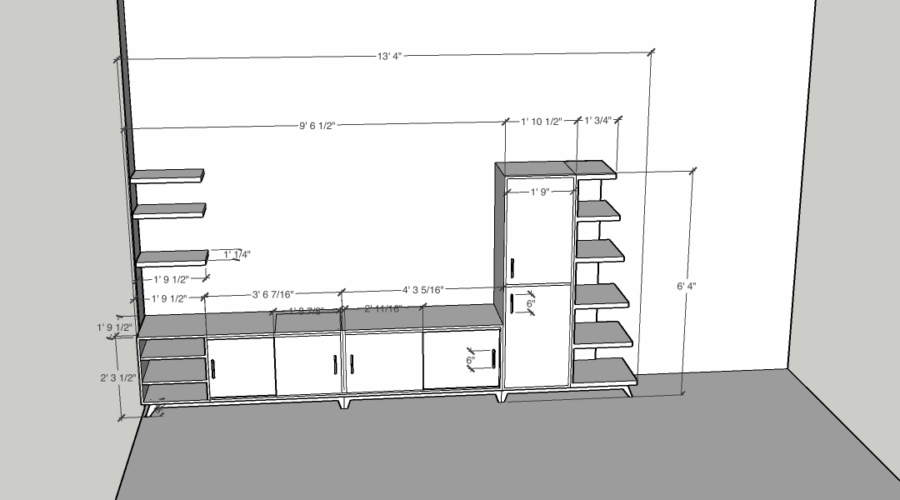
When it comes to transforming a space, few elements make as big an impact as custom cabinets. Whether you’re updating a kitchen, bathroom, or adding storage to your living room, the right cabinet design can elevate both the look and functionality of your home. At [Your Shop Name], we believe that designing custom cabinets is both an art and a science. Here’s a closer look at the ins and outs of the process.
1. Understanding Your Needs
The first step in designing custom cabinets is understanding how you use your space. Do you need extra storage for pots and pans? Are you looking for a sleek, modern look or something more traditional? We start every project by listening to your needs and preferences. This helps us create a design that not only looks great but also works perfectly for your lifestyle.
2. Measuring and Planning
Accurate measurements are crucial. We take detailed measurements of your space to ensure a perfect fit. This step also involves assessing any obstacles, such as uneven walls or existing plumbing and electrical work. With precise measurements, we can maximize storage and ensure your cabinets fit seamlessly into your home.
3. Choosing Materials and Finishes
Custom cabinets offer endless possibilities when it comes to materials and finishes. From classic hardwoods like oak and maple to modern laminates and eco-friendly options, the choice is yours. We’ll help you select materials that match your style, budget, and durability needs. The finish—whether it’s a rich stain, a crisp paint, or a natural look—adds the final touch to your cabinets’ appearance.
4. Designing for Functionality
A beautiful cabinet isn’t much use if it doesn’t function well. We pay close attention to the details: adjustable shelves, soft-close hinges, pull-out drawers, and specialized organizers. These features make your cabinets not only attractive but also highly functional, making everyday tasks easier and more enjoyable.
5. Bringing Your Vision to Life
Once the design is finalized, we get to work building your custom cabinets. Our skilled craftsmen use precision tools and techniques to ensure every piece meets our high standards. The result is cabinetry that’s built to last and tailored specifically to your space.
Why Choose Custom Cabinets?
Custom cabinets are an investment in your home’s beauty and functionality. They offer unmatched flexibility in design, materials, and features. At [Your Shop Name], we’re passionate about helping you create a space that’s uniquely yours.
Ready to start your custom cabinet project? Contact us today to schedule a consultation!
Email me at a.woodworks@hotmail.com or call / text 360-259-0232