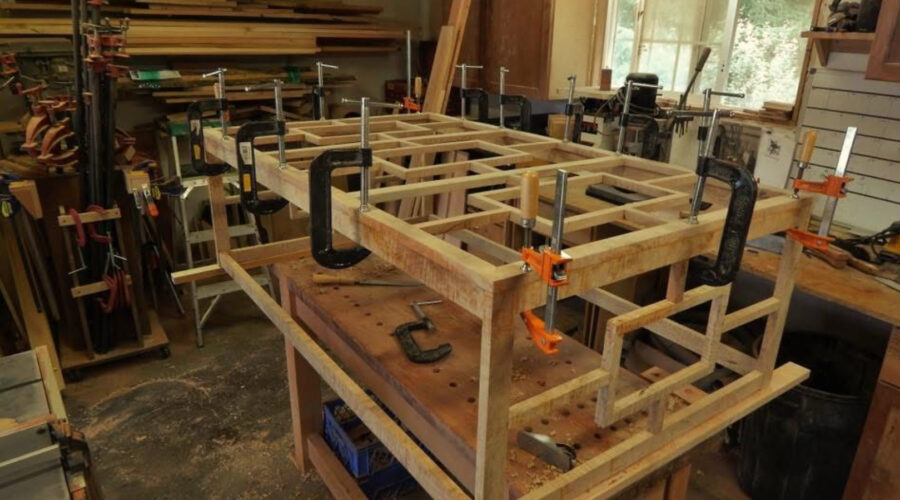
There’s a quiet magic that happens in the workshop when the air outside turns crisp and the colors of fall begin to shift. The light is softer, the wood smells sweeter, and inspiration seems to come from every falling leaf.
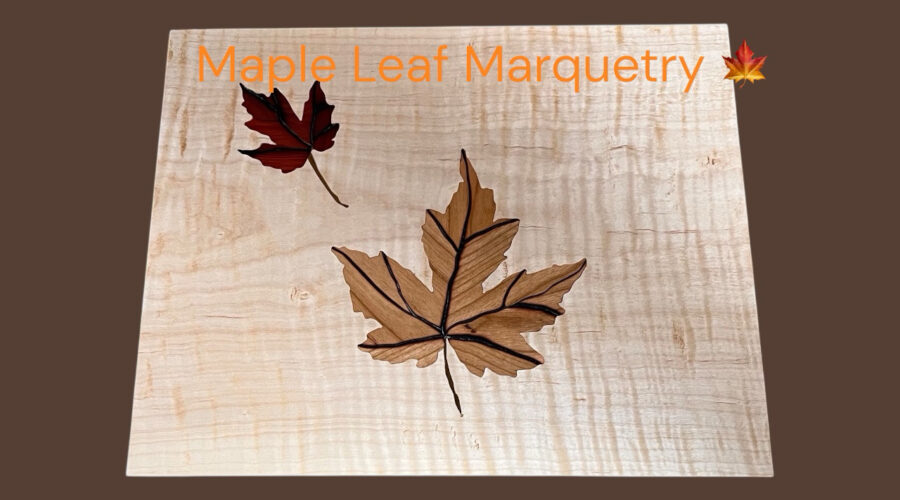
In my latest full-length video, I share the creation of a maple leaf marquetry piece — a work that brings together patience, precision, and a deep appreciation for nature’s fleeting beauty.
A Tribute to Autumn
The maple leaf has long been a symbol of change, balance, and reflection. In marquetry, that symbolism becomes tangible. Each small veneer represents a fragment of the season — shades of gold, amber, and red pieced together to hold on to a moment that would otherwise pass.
Creating this piece reminded me why I fell in love with woodworking in the first place. Working with real materials, guided by hand tools, allows time to slow down. Each cut and fit carries intention. Every decision leaves a trace of the maker — the human hand behind the precision.
The Process
In the video, you’ll see how I design, cut, and assemble the veneers that make up this maple leaf. From the first sketch to the final polish, every step demands focus and patience. That’s the beauty of marquetry — it’s both art and discipline.
What might look simple at a glance is actually a puzzle of tone, grain, and contrast. The way light catches the wood, the direction of the grain — all these subtle choices bring life and depth to the finished piece.
Holding Onto Nature’s Poetry
Fall always reminds me how short-lived beauty can be. The colors fade, the leaves fall, and the world turns quiet. But through craft, I can preserve a piece of that feeling — turning the impermanent into something that will last for generations.
That’s what drives my work: creating pieces that are not just functional, but meaningful. Art that connects us back to the land, the seasons, and the traditions of fine woodworking.
Watch the Full Video
If you’d like to see how this piece was made from start to finish, watch the full video on my YouTube channel. It’s a journey through the marquetry process — the design, the detail, and the quiet rhythm of craft.
👉 Learn more about my work, my process, and how to commission a custom piece at:
If you enjoy the video, please take a moment to like, share, and leave a comment — your thoughts and support mean a lot and help keep the art of craftsmanship alive.
🍂 Thank you for being part of this journey and for appreciating the beauty of handmade work. 🍂
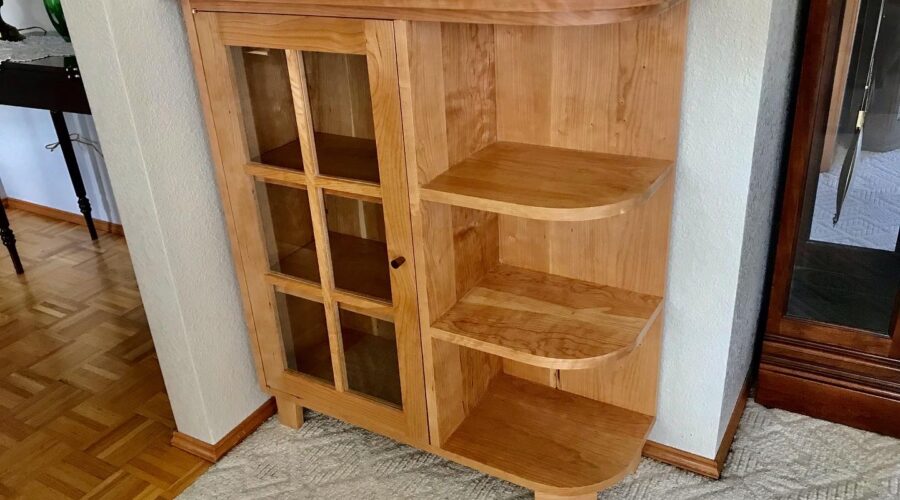
Cherry wood has long held a special place in fine furniture making. Known for its warmth, workability, and timeless character, it’s a species that bridges America’s woodworking past with its present-day craft traditions.
A Brief History
American black cherry (Prunus serotina) has been used in furniture making since the early colonial era. Early American craftsmen prized it for its smooth grain and ability to take a rich, glowing finish. In the 18th and 19th centuries, cherry often appeared in Shaker and Federal-style furniture—chosen both for its beauty and its local availability across the Eastern United States.
Over time, as imported woods like mahogany became less accessible, cherry became one of America’s defining hardwoods.
Where Cherry Grows
Cherry trees thrive in the temperate regions of the eastern and central United States, particularly in Pennsylvania, New York, West Virginia, and Ohio. The heartwood develops its characteristic reddish-brown tone as it ages, while the sapwood remains a light creamy color—this natural contrast often becomes part of a furniture maker’s design.
The best-quality cherry lumber often comes from the Appalachian region, where slow growth produces fine, even grain. These forests are sustainably managed, ensuring that cherry remains a renewable American resource.
Uses and Applications
Cherry’s fine, even texture makes it a favorite among cabinetmakers, furniture builders, and woodturners. It’s found in everything from custom cabinetry and tabletops to musical instruments and architectural millwork.
Because it ages gracefully—deepening in color as it’s exposed to light—cherry furniture develops a natural patina that tells the story of time. That quality makes it a top choice for heirloom pieces.
Working Cherry by Hand
For the craftsman using traditional hand tools, cherry offers a rewarding experience. It planes and chisels cleanly, with a smooth, buttery feel beneath the blade. Its moderate hardness means it holds detail well without being punishing on tools.
That said, cherry’s grain can sometimes be unpredictable—especially around knots or curly figure—so sharp tools and careful grain reading are essential.
When sanded or scraped properly, the wood’s surface accepts oil or shellac beautifully, producing a finish that glows with depth and warmth.
A Wood of Lasting Value
Cherry is more than a beautiful material—it’s a cornerstone of American craftsmanship. Its combination of color, durability, and workability has kept it relevant for centuries. Whether shaped by hand planes or modern tools, cherry continues to reward those who respect the craft.
At Anderson Woodworks, each piece is made by hand with respect for the material and the craft. If you’ve ever dreamed of owning a custom cherry table, desk, or built-in that will grow richer with time, now’s the moment to begin.
📞 Call or text 360-259-0232 to schedule a consultation, or look around my website to start your custom furniture journey.
Please help support small businesses like and share and if you have any comments please feel free to comment.
This morning I sat down with my friend and fellow maker, Justyn LeGraw, to dream up something special — a pair of rocking chairs that will carry scenes from The Nightmare Before Christmas in hand-cut marquetry.
We laid out the veneers, talked through the rhythm of the imagery, and studied the tones of each wood — maple, walnut, rosewood — each one with its own voice. The goal is to let the story live in the grain itself, not just on the surface.
It’s the kind of collaboration I love — where craft meets imagination, and wood becomes a canvas for something timeless. 🌙🪵✨
I get the question often enough that it deserves a direct answer.
“Why does your marquetry piece cost $2,500 when I can buy wood wall art at West Elm for $300?”
It’s a fair question. At first glance, they might look similar—both are wood, both hang on a wall, both feature natural imagery. But the difference between handcrafted marquetry and mass-produced wood decor is the difference between a hand-forged knife and a stamped blade. They may serve similar purposes, but they’re not the same thing.
Let me walk you through what separates them.
The Material Question: Solid Hardwood vs. Printed Veneer
Most wood wall art you’ll find in furniture stores or online retailers isn’t actually made from solid wood in the way you might imagine.
The typical construction:
MDF or particle board base
Thin printed veneer or vinyl film applied to the surface
Wood grain pattern is photographed and printed, not real
“Wood” frame is often plastic with wood-grain texture
What this means: The wood you’re seeing is decorative surface treatment, not structural material. It’s designed to look like wood from a distance, photograph well for catalogs, and ship cheaply in flat boxes.
Marquetry construction: Every element you see in one of my marquetry pieces is solid hardwood—cherry, walnut, maple, oak—the same species I use in dining tables and cabinets. Each leaf, each petal, each branch is cut from boards that were once living trees, with real grain patterns, natural color variation, and the character that only comes from decades of growth.
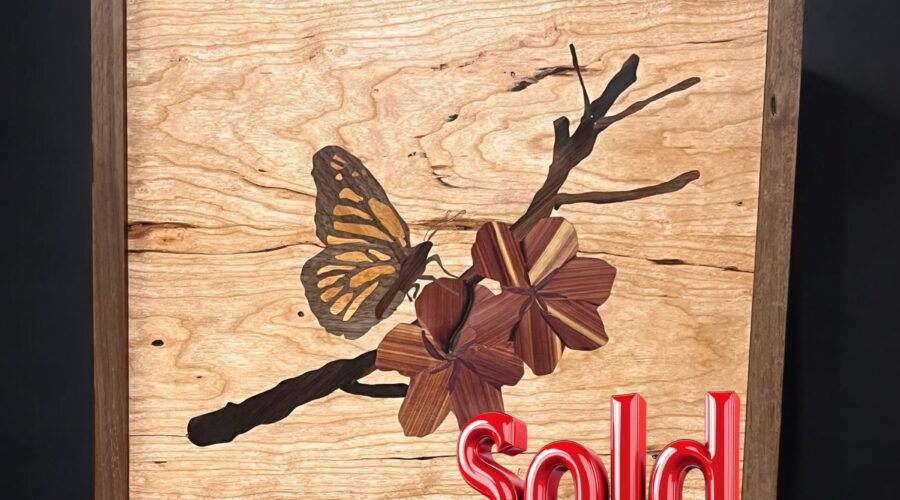
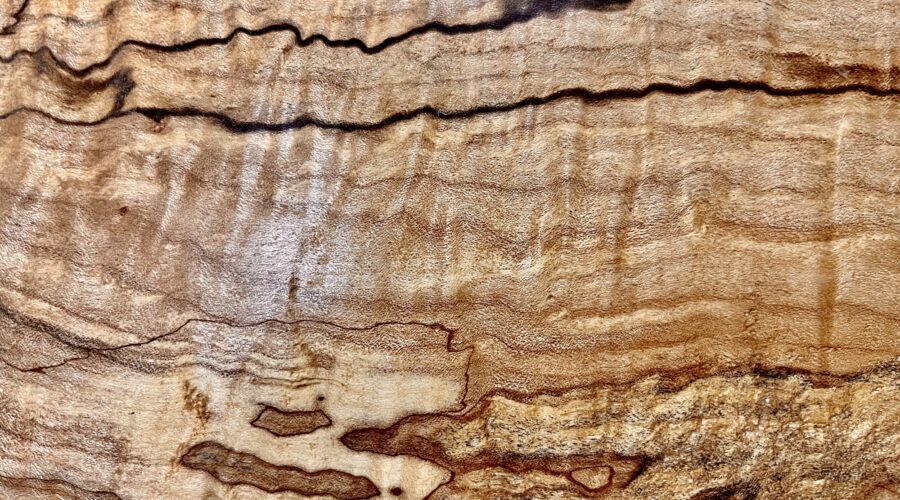
The butterfly wings in the piece I just completed? Book-matched cherry, meaning I split a single board and opened it like a book to create perfect natural symmetry. The darker elements? Walnut heartwood, selected for its deep chocolate tones. The background? Spalted maple with natural figuring created by fungal patterns in the living tree.
You can’t print that. You can’t fake it. And you can’t get it for $300.
Material cost reality: A typical mass-produced piece uses $15-30 in materials. My marquetry pieces use $130-250 in premium hardwoods alone, before factoring in the walnut frame, backing, and non-toxic finishes.
The Craftsmanship Divide: Laser Cutting vs. Hand Fitting
Here’s where the real difference lives.
Mass-produced wood wall art—even the “handmade” versions on Etsy that use real wood—are typically created using:
CNC routers or laser cutters (computer-controlled machines)
Pre-designed templates downloaded or purchased
Assembly-line production (one person cuts, another assembles, another finishes)
Minimal hand-fitting or adjustment
What this enables: Speed. A laser cutter can produce 20 identical pieces in the time it takes me to cut and fit a single butterfly wing. There’s nothing inherently wrong with this—it’s efficient manufacturing. But it’s manufacturing, not craftsmanship.
Traditional marquetry: Every piece I create is hand-cut using the same tools furniture makers have used for centuries—coping saws, chisels, planes, and scrapers. Each element is individually fitted, adjusted, and refined until the joints are tight enough that you can’t see glue lines.
This is furniture-grade joinery applied to wall art. The same mortise and tenon precision, the same attention to grain direction, the same zero-tolerance fitting I use in heirloom dining tables.
Why hand-cutting matters: It allows me to respond to the wood itself. When I’m cutting a butterfly wing and encounter unexpected figure in the cherry, I can adjust the design to feature it. When two pieces don’t quite fit, I can plane them by hand until they do. When the grain wants to run a certain direction, I can honor that.
A CNC router follows the program. A craftsman follows the wood.
The Time Investment: Hours vs. Minutes
Let’s talk about what “handmade” actually means in terms of time.
Mass-produced timeline:
Design: 0 hours (template purchased or downloaded)
Fitting and adjustment: 4-8 hours (ensuring tight joints, no gaps)
Assembly and gluing: 2-4 hours (careful clamping, cleanup)
Finishing: 2-4 hours (multiple coats of oil and wax, hand-rubbed)
Framing: 2-3 hours (mitered frame corners, French cleat mounting)
Total: 22-43 hours per piece
That’s not an exaggeration. The butterfly piece I posted yesterday? Thirty-two hours of focused work over six weeks, fitted around furniture projects.
Why this matters: Time is the most honest measure of value. When you purchase one of my marquetry pieces, you’re not just buying wood and glue—you’re buying 30-40 hours of my attention, skill, and intention. Every hour I spend on that piece is an hour I’m not building furniture, not taking on another project, not doing something else.
Mass-produced pieces minimize labor to maximize profit. Handcrafted pieces honor labor as the source of value.
The Longevity Question: Decoration vs. Heirloom
Here’s the uncomfortable truth about most mass-produced wood wall art: it’s designed to last 5-10 years, not generations.
Typical construction weaknesses:
Printed veneers fade with sunlight exposure
MDF cores absorb moisture and swell
Spray finishes chip and peel
Glued joints separate over time
Thin materials warp in seasonal humidity changes
I’m not saying these pieces are poorly made for what they are—they’re designed to hit a price point and aesthetic trend. But they’re not built to become family heirlooms.
Marquetry built to furniture standards: When I create a marquetry piece, I’m using the same construction principles I use in dining tables that will serve families for 50+ years:
Solid hardwood construction (no veneer, no MDF)
Traditional joinery (fitted joints, not just glue)
Non-toxic oil and wax finishes that penetrate the wood (can be refreshed in 20 years)
Proper wood movement accommodation (pieces can expand and contract with seasons)
Quality frame construction with furniture-grade joinery
What this means: The marquetry piece you purchase today should look essentially the same in 2075. The wood will develop a richer patina. The finish can be refreshed if needed. But the piece itself—the craftsmanship, the joinery, the integrity—will endure.
Your great-grandchildren will inherit it, and it will still be beautiful.
Can you say that about something from HomeGoods?
The Investment Perspective: Cost vs. Value
Let’s address the elephant in the room: price.
A mass-produced wood wall art piece costs $150-400. My marquetry pieces cost $1,800-5,500.
That’s a significant difference, and it deserves honest examination.
What you’re paying for with mass-produced:
Materials: $20-40
Labor (2-3 hours at $15-25/hour): $30-75
Overhead and profit margin: $100-285
Total: $150-400
What you’re paying for with handcrafted marquetry:
Overhead (workshop, tools, maintenance): Included in labor rate
Total cost: $3,040-4,130
Retail price: $1,800-5,500 (I’m actually underpricing based on pure labor costs because I fill gap time between furniture projects)
The value equation: When you buy mass-produced, you’re paying for convenience and trend-matching. When you buy handcrafted, you’re paying for:
Irreplaceable skill (decades of furniture-making mastery)
Irreplaceable time (30-40 hours of focused craftsmanship)
Irreplaceable materials (solid hardwoods with natural character)
Lasting value (heirloom quality that appreciates over time)
Consider this: A $300 piece that lasts 7 years costs $43/year. A $2,500 piece that lasts 75+ years costs $33/year—and can be passed down with increasing sentimental value.
Which is the better investment?
The Story Behind the Work
There’s one more difference that’s harder to quantify but impossible to ignore: provenance.
When you purchase mass-produced art, you’re buying a product. You don’t know who designed it, who cut it, who assembled it. It was likely created by multiple people across multiple facilities, none of whom will ever know where it ended up or who’s living with it.
When you purchase one of my marquetry pieces, you’re buying a story:
You know it was created in a 250-square-foot workshop in Yelm, Washington, by a self-taught furniture maker who learned the craft from his grandfather’s tools. You know the cherry came from Edensaw, a local lumber supplier I’ve worked with for years. You know I selected each board personally, looking for grain and color that would serve the design.
You know I cut each piece by hand, fitted each joint, applied each coat of finish. You know that when I signed the back of the piece, I was signing something I’m proud to have created.
And if something ever goes wrong—if the piece is damaged, if you want to commission a companion piece, if you just want to talk about the wood—you can call me. I’m here.
That’s not something you get from a factory in China or a fulfillment center in Ohio.
Making the Choice
I’m not here to tell you that mass-produced wood wall art is bad or that you should never buy it.
If you’re furnishing a rental apartment, decorating a vacation home, or simply want something trendy and affordable to fill a wall, mass-produced pieces serve a purpose. There’s no shame in that.
But if you’re looking for something more—something that carries meaning, that reflects your values, that will outlive you and become part of your family’s story—then handcrafted marquetry is worth the investment.
The difference isn’t just in the price tag. It’s in the materials, the time, the skill, and the intention behind every cut.
It’s the difference between decoration and legacy.
About Anderson Woodworks
I’m Brian Anderson, a furniture maker and marquetry artist working in Yelm, Washington. I create heirloom-quality custom furniture and wall art using traditional hand-tool techniques and Pacific Northwest hardwoods. Every piece is built to last generations.
If you’re interested in commissioning a marquetry piece or learning more about the process, visit www.andersonwoodwork.net or reach out directly.
Current lead time for marquetry commissions: 6-8 weeks.
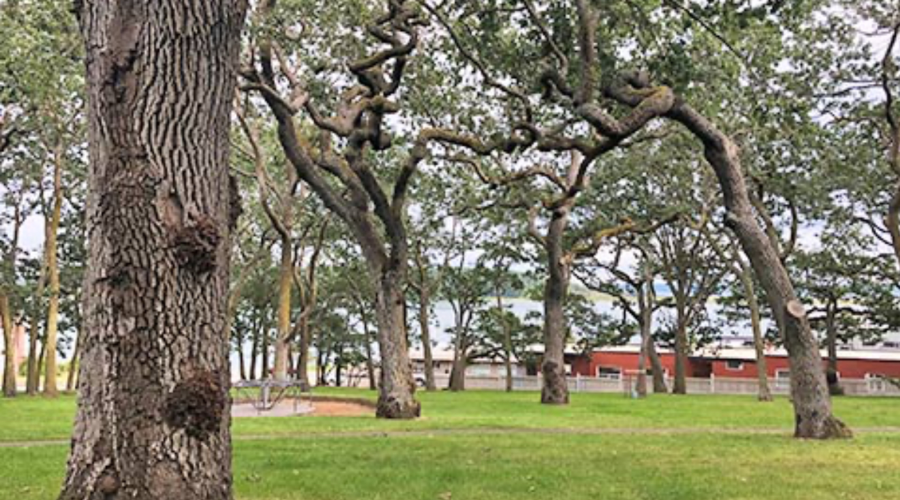
Before conifers cloaked the Pacific Northwest, Quercus garryana—the Garry oak—stood as sentinel of open prairies and sunlit slopes. Named for Nicholas Garry of the Hudson’s Bay Company, this oak is the only native species west of the Cascades, stretching from southern California to British Columbia A.
But its history isn’t just botanical—it’s cultural.
Indigenous peoples shaped Garry oak ecosystems through fire and care. Frequent burns cleared underbrush, encouraged camas and other edible bulbs, and allowed oaks to thrive in deep soils where firs might otherwise dominate B. These landscapes weren’t wild—they were cultivated, storied, and sacred. Families tended camas plots, hunted deer among the oaks, and passed down ecological knowledge rooted in reciprocity.
After the last ice age, Garry oaks recolonized the region, peaking 6,000–8,000 years ago during a warmer, drier climate C. Today, their patchy distribution reflects both climate shifts and colonial disruption. Yet they persist—on rocky slopes, in dry meadows, and in the memory of place names like Camosun, meaning “place to gather camas.”
European settlers admired the oak’s aesthetic, but often misunderstood its ecological role. Fire suppression and development have since threatened these ecosystems. Regeneration lags. Seedlings are browsed by deer, shaded out by conifers, or lost to pavement.
Still, some Garry oaks live 500 years. They host galls, mistletoe, and stories. They hold the memory of Indigenous stewardship and the promise of ecological renewal.
Washington is actively restoring Garry oak ecosystems through tribal partnerships, urban forestry grants, and citizen-led mapping projects—including efforts that touch Yelm and the broader Puget Sound region. These trees are rare, resilient, and deeply rooted in both ecological and cultural history.
🌳 Garry Oaks in Washington: Restoration, Resistance, and Yelm’s Quiet Guardians
Washington’s only native oak, Quercus garryana, is critically imperiled in many regions. Once widespread across prairies and savannahs, Garry oak ecosystems now occupy less than 3% of their original range A. Yet the state is fighting to preserve them—through science, community, and Indigenous collaboration.
🔥 Restoration in Action
San Juan Islands Conservation District is thinning overstocked forests, replanting native species, and producing biochar to restore Garry oak habitats. Their work includes partnerships with Coast Salish tribes and local workforce training B.
Sound Water Stewards on Whidbey Island are growing Garry oak seedlings, planting native rhododendrons, and restoring endangered prairie ecosystems C.
Clover Park Technical College in Lakewood maintains a 30-acre Garry oak savannah with over 700 mature trees. Supported by a $19,000 grant from the Department of Natural Resources, students and volunteers clear invasives, plant wildflowers, and catalog biodiversity A.
🗺️ Mapping the Puget Sound’s Oaks
The Sound Oaks Initiative is using GIS technology to map Garry oaks across the Puget Sound—including areas near Yelm. This citizen science project helps identify remnant stands, guide conservation, and connect communities to their ecological heritage D.
🌾 Yelm’s Quiet Grove
While Yelm isn’t widely known for Garry oak savannahs, it sits within the historical range of these trees. Scattered individuals and small groves may still persist on dry slopes, old pastures, or near camas-rich prairies once tended by Nisqually and Coast Salish peoples E. These oaks are drought-tolerant, culturally significant, and ecologically vital—hosting wildflowers, birds, and pollinators.
Want to help? You can:
Join local restoration events or wildflower plantings.
Support mapping efforts through Sound Oaks.
Advocate for prairie preservation in Thurston County.
Plant Garry oak seedlings and protect them from browsing deer.
I am currently making this a page on my website but for now it will be her for you and my clients to see.
The wood you select today will transform over the decades your piece lives in your home. Cherry will deepen from pale pink to rich amber. Walnut will anchor your space with immediate presence. Maple will glow with quiet brightness. Oak will stand as it has for centuries—timeless and enduring.
This isn’t a decision about materials. It’s about choosing which living element becomes part of your family’s story. Each species ages differently, feels different under your hand, and carries its own character into your home.
I’ve been working with these four hardwoods since 2006, hand-selecting boards from Edensaw, studying grain patterns, and watching pieces evolve in clients’ homes over years. What I’ve learned is that the right wood chooses you as much as you choose it—something will resonate when you see it, touch it, imagine it.
This guide will help you understand what makes each species unique, how they’ll age in your home, and what kind of investment you’re making in a piece that will outlive us both.
CHERRY
The Warm Heirloom
Visual Character: Cherry starts life with a pale pinkish-tan color and transforms into a rich, warm reddish-brown over time. This is one of the most dramatic aging processes in domestic hardwoods. Within the first six months of exposure to light, you’ll notice deepening color. Over years and decades, cherry develops a lustrous patina that becomes richer and more complex.
Grain & Texture: Fine, straight grain with occasional waves and curls. Smooth, satiny texture that feels refined under the hand. Small pin knots and mineral streaks are natural characteristics that add authenticity without compromising structural integrity.
Best Suited For:
Dining tables and chairs where warmth and elegance matter
Bedroom furniture that creates a restful, sophisticated atmosphere
Accent pieces that will be cherished and watched as they transform over time
Durability & Maintenance: Medium hardness (Janka rating ~995). Resists warping and checks well. With oil & wax finish, cherry requires seasonal conditioning but rewards care with deepening beauty. Perfect for clients who want to participate in their furniture’s aging journey.
The Anderson Woodworks Difference: When I hand-select cherry from Edensaw, I’m looking for boards with consistent color and grain that will age uniformly. Traditional joinery means your cherry piece will remain stable through decades of color transformation.
WALNUT
The Sophisticated Statement
Visual Character: Rich chocolate brown heartwood with creamy sapwood creates natural contrast and visual drama. Walnut is prized for its immediate visual impact—it doesn’t need decades to develop character; it arrives with gravitas. Color remains relatively stable over time, darkening only slightly while maintaining its distinctive presence.
Grain & Texture: Usually straight-grained, but can feature beautiful waves, curls, and swirls. Medium to coarse texture with excellent workability that allows for crisp joinery details and clean lines—perfect for the clean-lined accent tables clients prefer.
Best Suited For:
Modern and contemporary pieces where bold contrast is desired
Executive desks and office furniture that conveys authority
Entertainment cabinets where the wood itself becomes a focal point
Accent tables in lighter-colored rooms where walnut provides grounding
Durability & Maintenance: Medium hardness (Janka rating ~1,010), similar to cherry. Excellent shock resistance makes it ideal for furniture that will be used daily. Walnut’s natural oils make it particularly responsive to hand-rubbed finishes like oil & wax.
The Anderson Woodworks Difference: Walnut showcases hand-tool work beautifully. The contrast between heartwood and sapwood means I can design pieces that highlight natural color variation, or select boards for consistency—your choice during our consultation process.
MAPLE
The Bright & Enduring
Visual Character: Creamy white to light tan, maple is the brightest of the four species. It offers a clean, fresh aesthetic that works in virtually any design style from traditional to ultra-modern. Maple ages gracefully to a soft honey tone, maintaining its light character while gaining warmth over decades.
Grain & Texture: Generally straight and fine-grained, but can feature spectacular figured patterns (curly maple, bird’s eye maple) that add visual interest without color contrast. Smooth, even texture that feels refined and polished.
Best Suited For:
Kitchen and dining furniture where a clean, hygienic appearance is valued
Children’s furniture and family pieces that need to withstand heavy use
Scandinavian or minimalist designs where the form takes precedence over wood drama
Pieces that will live in bright, sun-filled spaces
Durability & Maintenance: Hard maple is one of the hardest domestic woods (Janka rating ~1,450). Exceptional wear resistance makes it ideal for tabletops, chair seats, and high-traffic surfaces. Requires the same seasonal care as other species but forgives more in daily use.
The Anderson Woodworks Difference: Maple’s hardness means it holds crisp details in mortise & tenon and dovetail joinery. The light color beautifully showcases the hand-fit precision of traditional joinery—you’ll actually see the craftsmanship in the joints.
OAK
The Time-Tested Classic
Visual Character: White oak: Light tan to medium brown with subtle gray undertones. Red oak: Pinkish to reddish-brown tones. Both feature prominent ray fleck patterns (especially in quarter-sawn cuts) that create distinctive visual texture. Oak has been the furniture standard for centuries because it telegraphs permanence and tradition.
Grain & Texture: Open, prominent grain with strong figure. Oak’s grain is a defining characteristic—bold, honest, and unmistakable. Coarser texture than cherry or maple, with a tactile presence that feels substantial.
Best Suited For:
Mission, craftsman, and traditional furniture styles where oak’s heritage matters
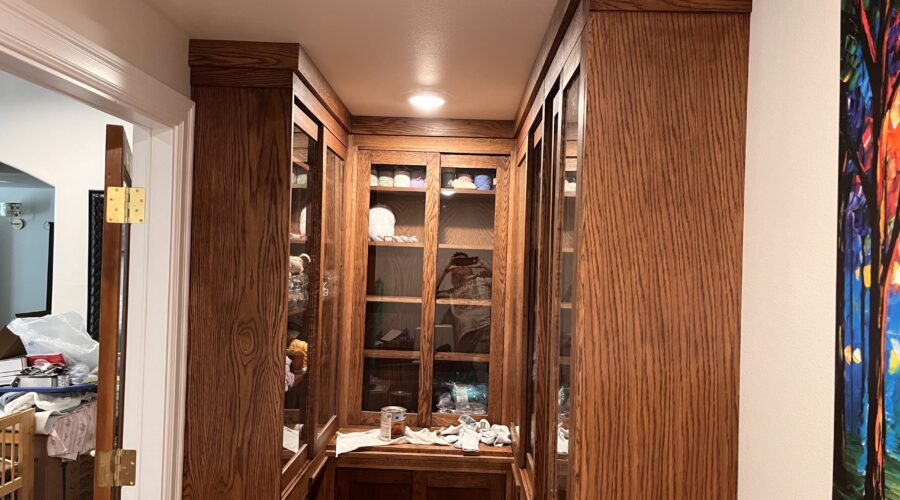
Built-in cabinetry and entertainment centers that need to feel architectural
Pieces intended to anchor a room and establish visual weight
Clients who value historical continuity and time-tested materials
Durability & Maintenance: White oak is exceptionally hard (Janka rating ~1,360) and naturally rot-resistant due to closed cellular structure. Red oak is slightly softer (~1,290) but still highly durable. Both species are workhorses that will outlast generations with basic care.
The Anderson Woodworks Difference: Oak’s strength allows me to create pieces with more delicate proportions without sacrificing durability. The prominent grain means I pay special attention to grain direction and matching during hand-planing to ensure visual harmony across the entire piece.
Understanding Wood Investment
The lumber for your custom piece represents both immediate material cost and long-term value. Here’s how wood selection impacts your investment:
Material costs (per board foot):
Cherry: $10–11/board foot
Walnut: $10–12/board foot
Maple: $8–10/board foot
Oak: $9–11/board foot
What does this mean for your project?
A typical accent table requires 15–25 board feet of lumber. An entertainment cabinet (4’x8′) may require 80–120 board feet. These are raw material costs before the handcrafted transformation begins.
The full investment in an Anderson Woodworks piece includes:
Premium hardwood lumber (with 20% extra for grain matching and traditional joinery)
1 week of wood acclimation in my Yelm workshop to ensure stability
Printed care instructions and seasonal maintenance guidance
Personal delivery within 100 miles or white-glove shipping nationwide
Average project investment: $8,000 Typical timeline: 4–8 weeks from lumber selection to delivery
Why this matters: A handcrafted piece isn’t competing with factory furniture; it’s an alternative to replacing mass-produced items every 5–10 years. Your Anderson Woodworks piece will appreciate in both monetary and sentimental value, becoming more beautiful and more meaningful as decades pass.
Why Your Piece Will Become More Beautiful Over Time
One of the most misunderstood aspects of fine furniture is that it improves with age—the opposite of everything else we buy.
The Science of Patina:
Wood is a living material even after it’s harvested and crafted. Exposure to light, air, and handling creates chemical changes that deepen color, enhance grain, and create a surface glow that cannot be replicated artificially.
Cherry’s Transformation: UV light exposure causes cherry to produce more extractives, darkening from pale pink to deep reddish-brown. This process is most dramatic in the first year but continues for decades.
Walnut’s Mellowing: Walnut actually lightens slightly over time as UV exposure bleaches surface tannins, creating a softer, warmer brown while maintaining its rich character.
Maple’s Honeying: Maple develops warm honey tones through oxidation, shifting from stark white to creamy warmth without losing its brightness.
Oak’s Deepening: Oak’s tannins darken gradually, and the prominent grain becomes more pronounced as the wood develops natural depth.
Your Role in the Aging Process:
The oil & wax finish I use is designed to enhance this natural aging. Unlike polyurethane or lacquer that seal wood away from air and light, oil finishes allow the wood to breathe and evolve. Your seasonal conditioning (detailed in the care instructions I provide) feeds the wood and accelerates the development of that coveted patina.
This means: The piece I deliver is beautiful, but the piece your grandchildren inherit will be extraordinary. You’re not just buying furniture; you’re beginning a decades-long relationship with a living material.
Ready to Begin?
Now that you understand the characteristics of each wood species, let’s start the conversation about your custom piece.
[Contact Button/Link]
Questions about wood selection? Feel free to reach out—I’m happy to discuss which species might work best for your vision, your space, and your lifestyle.
I’ve had clients ask me to craft pieces from American chestnut before—drawn to its warm grain, its legacy, its mythic status in American furniture. But every time I looked into sourcing it, I ran into the same story: a tree once dominant across the Eastern U.S., now nearly vanished. What happened?
This post is my response to that question—and to a deeper concern. In a time when truth is often buried and ecological history is quietly erased, I believe stories like this deserve to be told. The American chestnut isn’t just a tree. It’s a symbol of resilience, loss, and the possibility of restoration. I’ve included a powerful PBS documentary that dives into its history and the blight that decimated it. Let’s dig in.
Once towering across the eastern forests of the United States, the American chestnut tree (Castanea dentata) was a keystone species—an ecological giant and cultural cornerstone. Revered for its rot-resistant wood and abundant nuts, it shaped economies, ecosystems, and everyday life. But in the early 20th century, a devastating blight rewrote its story, transforming a symbol of resilience into one of loss and scientific urgency.
A Tree of Titans
Before the blight, the American chestnut was one of the most dominant hardwoods in the Appalachian region:
Range: From Maine to Mississippi, covering over 200 million acres.
Size: Mature trees reached heights of 100 feet and diameters of 10 feet.
Utility: Its straight grain and resistance to decay made it ideal for furniture, fencing, and construction.
Ecological Role: Chestnuts provided a reliable food source for wildlife and humans alike, with nuts ripening just before winter.
The Blight: A Silent Catastrophe
In 1904, a fungal pathogen (Cryphonectria parasitica) was discovered at the Bronx Zoo. Likely introduced via imported Asian chestnut trees, the blight spread rapidly:
Mechanism: The fungus enters through wounds, producing cankers that girdle and kill the tree above the infection site.
Speed: Within decades, the blight wiped out an estimated 4 billion trees.
Impact: Entire ecosystems shifted. Economies dependent on chestnut timber and nut harvests collapsed. Cultural traditions tied to the tree faded.
Scientific Resistance and Restoration
The loss of the American chestnut sparked one of the most ambitious restoration efforts in botanical history:
Backcross Breeding: Scientists cross American chestnuts with blight-resistant Chinese chestnuts, then backcross to retain American traits while preserving resistance.
Genetic Engineering: Researchers at SUNY-ESF developed a transgenic chestnut with a wheat gene that detoxifies the blight’s acid.
Citizen Science: Organizations like The American Chestnut Foundation mobilize volunteers to plant, monitor, and advocate for restoration.
Philosophical and Ecological Reflections
The chestnut’s story is more than botanical tragedy—it’s a mirror of human intervention, ecological fragility, and the possibility of redemption:
Legacy and Memory: The tree lives on in oral histories, old barns, and Appalachian folklore.
Activism and Hope: Restoration efforts blend science with civic engagement, reminding us that healing ecosystems is a collective act.
Beauty and Impermanence: The chestnut teaches us that even giants fall—but with care, they may rise again.
Looking Forward
Restoring the American chestnut is not just about bringing back a tree—it’s about restoring balance, memory, and resilience. As scientists, citizens, and storytellers unite, the chestnut’s future may yet echo its past: strong, generous, and rooted in community.
Join the Movement: Support restoration efforts through The American Chestnut Foundation, participate in local plantings, or share your own chestnut memories. Every story, seed, and step matters.
Hear is a link to a pbs documentary about the tree and the foundation that is trying to save it
In a world of fleeting trends, built-ins offer something enduring: a seamless blend of form, function, and financial wisdom. Whether it’s a custom bookshelf that hugs the contours of your living room or a window seat that invites quiet reflection, built-ins do more than fill space—they shape it.
💰 Financial Benefits
Increased Home Value: Thoughtfully designed built-ins are considered upgrades. They add perceived square footage and elevate your home’s market appeal.
Long-Term Savings: Unlike freestanding furniture that may need replacing, built-ins are built to last—reducing future costs and waste.
Tax Advantages: In some cases, built-ins can be considered capital improvements, potentially offering tax benefits when selling your home.
📦 Storage That Disappears (In the Best Way)
Maximized Space: Built-ins turn awkward nooks into elegant storage, making every inch of your home work harder.
Decluttered Living: With everything in its place, your home breathes easier. Less visual noise, more peace of mind.
Tailored Functionality: Whether it’s hidden drawers for tech or display shelves for heirlooms, built-ins adapt to your life—not the other way around.
✨ Aesthetic and Emotional Impact
Architectural Harmony: Built-ins create flow. They feel intentional, like your home was always meant to look this way.
Emotional Resonance: There’s something grounding about furniture that’s part of the home’s bones. It holds memory, presence, and permanence.
Philosophy in Form: Built-ins embody wabi-sabi—beauty in integration, imperfection, and quiet utility.
In short, built-ins aren’t just furniture. They’re legacy. They’re design that listens. And they’re one of the smartest ways to invest in both your home and your daily experience within it.
Please share and please subscribe.and if you have any comments I would love to hear them.
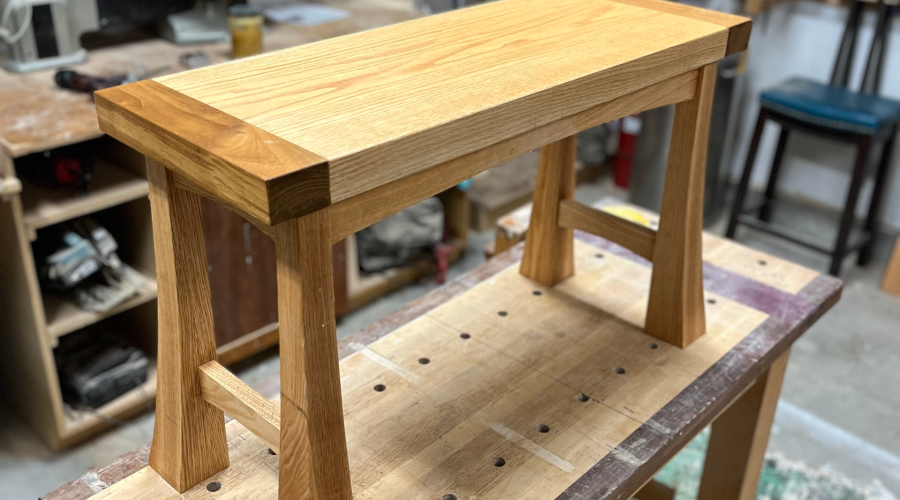
In a workshop filled with sawdust and strategy, this bench emerged—a fusion of strength and serenity. Crafted from solid oak and rich teak, it carries the weight of Western resilience and the grace of Asian design traditions. This is not just a place to sit. It’s a place to honor.
The bench’s flared legs and clean joinery whisper mid-century clarity, while its proportions and subtle curves nod to Asian architectural elegance—where balance is beauty and restraint is power. Teak, with its deep golden hue and natural oils, brings warmth and endurance. Oak offers grounding. Together, they speak in harmony.
✨ Aesthetic as Philosophy
Asian design isn’t just a style—it’s a worldview. It teaches us that emptiness has meaning, that simplicity is sacred, and that every curve can carry intention. This bench channels that ethos. It invites stillness. It honors space. It resists the noise of excess.
🪑 Built for Legacy
Whether placed in a quiet entryway, a civic gallery, or a home that holds memory, this bench is meant to last. Its joinery is honest. Its materials are noble. Its presence is both protest and poem.
Commissioned pieces are available for those who believe furniture should speak—of heritage, of resistance, of beauty that refuses to be rushed.
Visit my store to order one or commission me to create one with different species of wood.
Before the commissions, before the campaigns, before the philosophy carved into every joint—there was a humble shop. A place where the scent of walnut mingled with ambition, and the floor bore witness to every misstep, breakthrough, and midnight epiphany. This was where my business began. Not with fanfare, but with grit, glue, and a stubborn belief that beauty could be a form of resistance.
📍 The Bones of the Place
It wasn’t much. A borrowed corner of a garage, a secondhand workbench, clamps that had seen better decades. But it held me. Held my ideas when they were still fragile. Held my hands when they trembled with doubt. The walls were lined with lumber and longing. And always—always—there was walnut. Heavy, moody, noble. It taught me restraint. It taught me reverence.
I built my first piece there—a cabinet that wobbled with pride. I learned the language of wood grain, the patience of joinery, the poetry of imperfection. That shop taught me that craft isn’t just about precision. It’s about presence.
🔨 Where Craft Met Conviction
It was in that space that I began to understand furniture as more than function. Each piece became a quiet protest, a vessel for memory, a stand against erasure. I carved stories into tabletops. I embedded legacy into dovetails. I wrote manifestos in sawdust.
Clients didn’t just buy furniture—they commissioned declarations. And it all started in that old shop, where the light hit just right in the late afternoon, and the walnut glowed like it knew something sacred.
🕯️ A Farewell, Not a Forgetting
I’ve moved on. The tools are sharper now, the space more refined. But I return to that shop often—in thought, in gratitude, in reverence. It was my crucible. My sanctuary. My first collaborator.
To the shop that started it all: thank you. For holding my beginnings. For shaping my voice. For reminding me that even the smallest space can birth something enduring.