



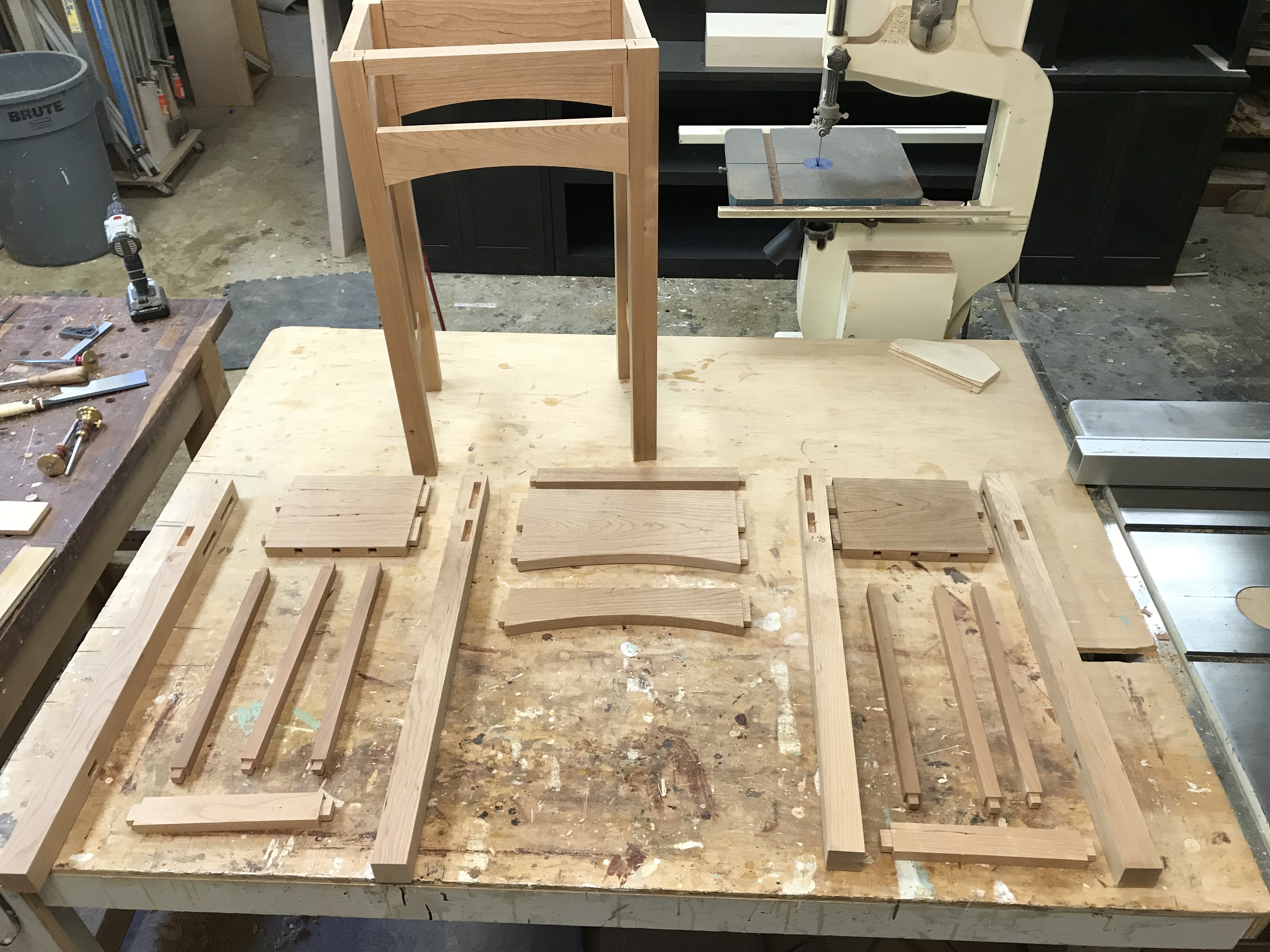

In an age of mass production and disposable furniture, there’s something profoundly different about a piece crafted with traditional joinery techniques. At Anderson Woodworks, every mortise and tenon joint, every carefully cut dovetail, represents more than just a method of connecting wood—it’s a bridge between generations of craftsmanship and a commitment to creating furniture that truly lasts.
The Lost Art of Connection
Traditional joinery isn’t just about joining pieces of wood together; it’s about creating connections that strengthen over time. While modern furniture relies heavily on screws, bolts, and adhesives that can fail or weaken, traditional joints like mortise and tenon actually become stronger as the wood settles and ages. This is furniture built not for the next few years, but for the next few generations.
When I founded Anderson Woodworks in 2006, inspired by my grandfather’s tools and driven by a passion for authentic craftsmanship, I made a conscious choice to embrace these time-tested techniques. Moving our shop to Yelm, Washington in 2022 only reinforced this commitment—surrounded by the natural beauty of the Pacific Northwest, it became even clearer that furniture should reflect the same enduring qualities we see in nature.
Why Hand-Cut Joints Make All the Difference
There’s a fundamental difference between a joint cut by machine and one shaped by hand. Machine-cut joints prioritize speed and uniformity, but hand-cut joints prioritize precision and character. Each mortise is carefully chiseled to match its specific tenon. Each dovetail is cut to complement the unique grain pattern of that particular piece of wood.
This attention to individual characteristics means that no two pieces are exactly alike—and that’s exactly the point. Your cherry dining table isn’t just “a dining table”—it’s your dining table, with joints that were specifically crafted for those particular boards, taking into account their grain, density, and natural movement patterns.
The Strength of Tradition
Consider the antique furniture pieces that have survived centuries—they weren’t held together with metal fasteners or synthetic adhesives. They were joined using techniques like mortise and tenon, dovetails, and other traditional methods that work with wood’s natural properties rather than against them.
These joints are designed to accommodate wood movement. As humidity changes throughout the seasons, properly cut traditional joints allow the wood to expand and contract naturally without compromising the structural integrity of the piece. This is why antique furniture often outlasts modern pieces by decades or even centuries.
More Than Just Durability
While strength and longevity are crucial benefits of traditional joinery, there’s something deeper at work here. These techniques connect us to a lineage of craftspeople who understood that furniture isn’t just functional—it’s emotional. It becomes part of family stories, witnesses to life’s important moments, and eventually, treasured heirlooms passed down through generations.
When you choose furniture crafted with traditional joinery, you’re not just buying a functional object. You’re investing in a piece that carries the soul of both the craftsperson who made it and the tree it came from. You’re choosing to be part of a story that began long before you and will continue long after.
The Anderson Woodworks Difference
At Anderson Woodworks, every piece we create—whether it’s one of our popular accent tables in walnut or maple, or a custom cabinet installation—showcases these traditional techniques. We take the time to educate our clients about mortise and tenon construction, about why dovetail joints are worth the extra effort, and about how these methods contribute to the longevity and beauty of their custom furniture.
Our 8-week timeline from consultation to delivery isn’t just about construction time—it’s about the careful, methodical process of creating joints that will serve your family for generations. It’s time invested in precision, in understanding each piece of wood, and in honoring the traditions that make truly exceptional furniture possible.
In our next post, we’ll dive deep into the mortise and tenon joint—the backbone of fine furniture construction and a technique that exemplifies everything we’ve discussed about the importance of traditional craftsmanship.
Ready to Experience Traditional Craftsmanship?
If you’re inspired by the timeless beauty and durability of traditional joinery techniques, I’d love to discuss how we can create a custom piece for your home. Whether you’re envisioning a handcrafted dining table with mortise and tenon construction, a cabinet with elegant dovetail joints, or any other custom furniture piece, every project begins with understanding your vision.
Get Started with Your Custom Commission:
📞 Call: 360-259-0232
✉️ Email: andersonwoodworker@gmail.com
During our initial consultation, I’ll provide 3D renderings to help you visualize your custom piece, discuss wood species options (cherry, walnut, maple, or oak), and walk you through the traditional joinery techniques that will make your furniture an heirloom for generations.
Serving homeowners in Thurston, Mason, Lewis, and Pierce counties in Washington, with shipping available across the United States.
Ready to invest in furniture that tells a story? Let’s start crafting yours.
Discover more from Anderson woodworks custom furniture & cabinets
Subscribe to get the latest posts sent to your email.

