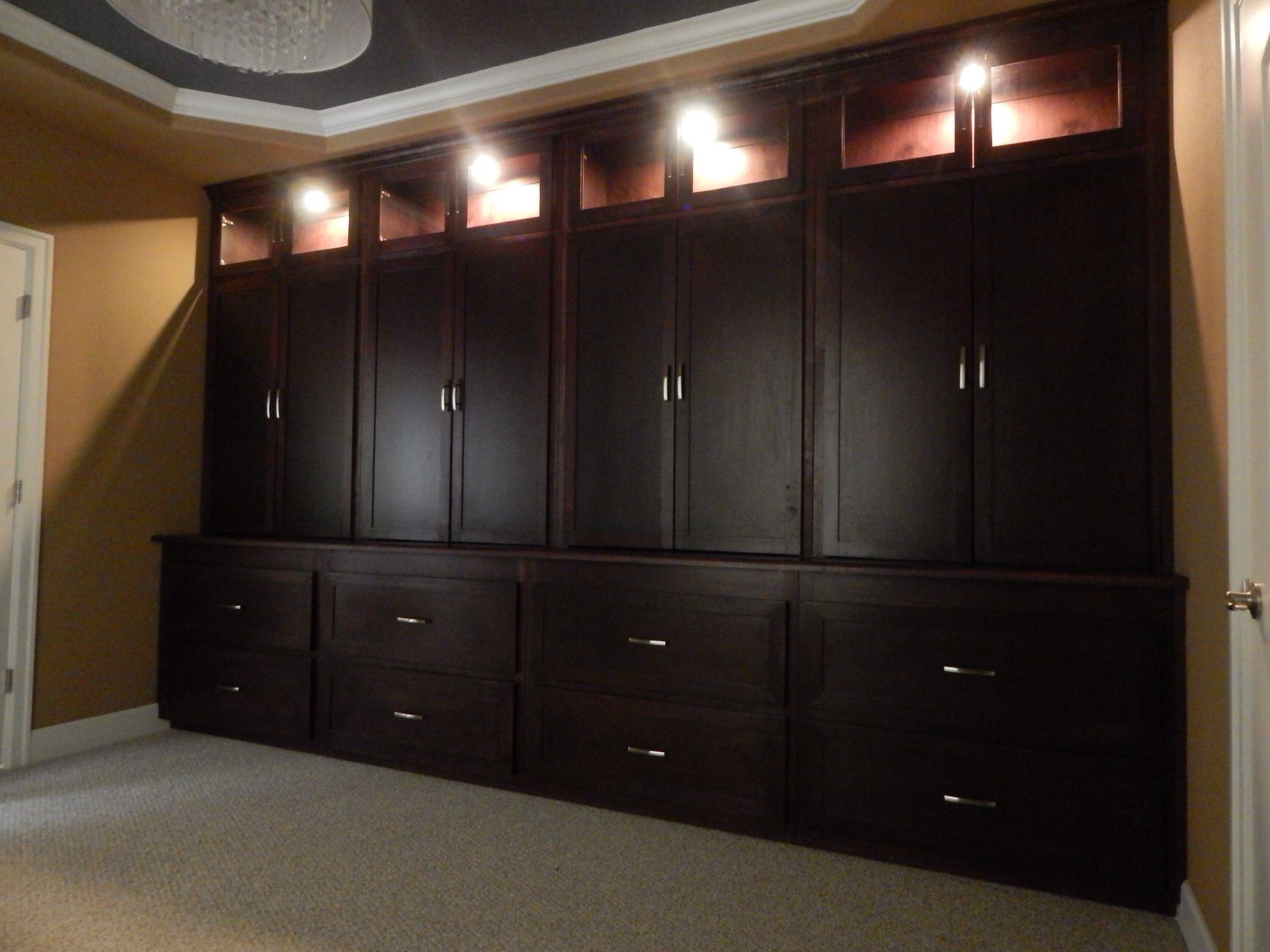

When people think about improving their home, they often jump straight to the big stuff—knocking down walls, gutting rooms, or planning a full-scale remodel. But there’s a quieter, smarter, far less intrusive way to reshape a space: custom built‑ins.
Built‑ins sit at the sweet spot between design and construction. They’re intentional, functional, and deeply personal. And unlike a remodel, they don’t take over your life, your home, or your calendar.
Let’s break down why built‑ins are one of the most efficient, value‑boosting upgrades you can make—and why the design-to-build process is far easier than most people expect.
The Design Phase: Clear, Collaborative, and Surprisingly Simple
One of the biggest misconceptions about custom work is that it’s complicated. In reality, the design phase for built‑ins is one of the most streamlined parts of the entire home improvement world.
Here’s why:
- The space already tells us what it needs. Built‑ins respond to the architecture that’s already there—nooks, alcoves, unused corners, awkward walls. Instead of reinventing the room, we refine it.
- You don’t need to make a thousand decisions. Unlike a remodel (where you’re choosing flooring, paint, plumbing fixtures, lighting, tile, hardware, and more), built‑ins focus on a tight set of choices: function, layout, materials, and finish.
- We design with purpose, not guesswork. Every shelf, drawer, and panel has a job. The design process becomes a conversation about how you live—your routines, your storage needs, your style—and the built‑in becomes a solution tailored to you.
- You see the vision early. Sketches, elevations, and material samples make the final product easy to imagine long before the first board is cut.
The result is a design phase that feels empowering, not overwhelming.
The Build: Precision Craft Without the Chaos
A remodel can take over your home—dust, noise, tradespeople coming and going, rooms blocked off for weeks. Built‑ins are the opposite.
Why the build process is so much easier:
- Most of the work happens off-site. The cutting, joinery, sanding, and finishing are done in the shop. Your home stays clean and functional.
- Installation is quick. Often just a day or two, depending on the complexity.
- No demolition required. We’re adding to the room, not tearing it apart.
- Minimal disruption to your routine. You can still cook, work, relax, and live in your home while the project is underway.
For families, remote workers, or anyone who doesn’t want their home turned upside down, built‑ins offer a refreshingly low-impact path to transformation.
The Value: A Small Project With a Big Return
Built‑ins are one of the rare upgrades that improve both daily life and home value.
Here’s what they add:
- Functionality that buyers immediately notice. Storage, organization, and thoughtful use of space are top priorities in today’s market.
- A sense of craftsmanship and permanence. Built‑ins feel intentional and custom—not something you can buy off a shelf.
- A more cohesive room. They anchor the space, giving it structure and purpose.
- A premium, “designed” look. Even a simple built‑in elevates the entire room’s aesthetic.
- Long-term durability. Solid wood, real joinery, and artisan craftsmanship outlast trends and mass-produced furniture.
In many cases, built‑ins deliver a higher return on investment than larger renovations because they enhance the home without the cost, risk, or disruption of construction.
Why Built‑Ins Are the Smartest Upgrade You Can Make
If you want to improve your home without living through a remodel, built‑ins are the perfect middle path. They offer:
- A smooth, collaborative design process
- Minimal disruption during the build
- A dramatic improvement in function and beauty
- A meaningful boost to your home’s value
They’re intentional. They’re personal. And they make your home work better for the way you actually live.
for information on starting your design Contact me for design assistance


Discover more from Anderson woodworks custom furniture & cabinets
Subscribe to get the latest posts sent to your email.