
A room usually tells you when the furniture was chosen last. The scale is off. Storage feels improvised. The circulation path is awkward. The materials compete. That is exactly why a one of a kind wood furniture commission matters – not as a luxury add-on, but as the element that brings order, purpose, and permanence to a space.
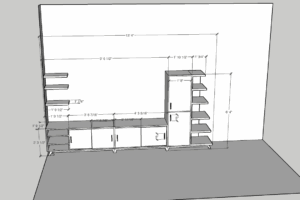
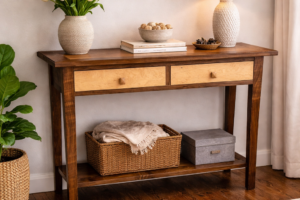
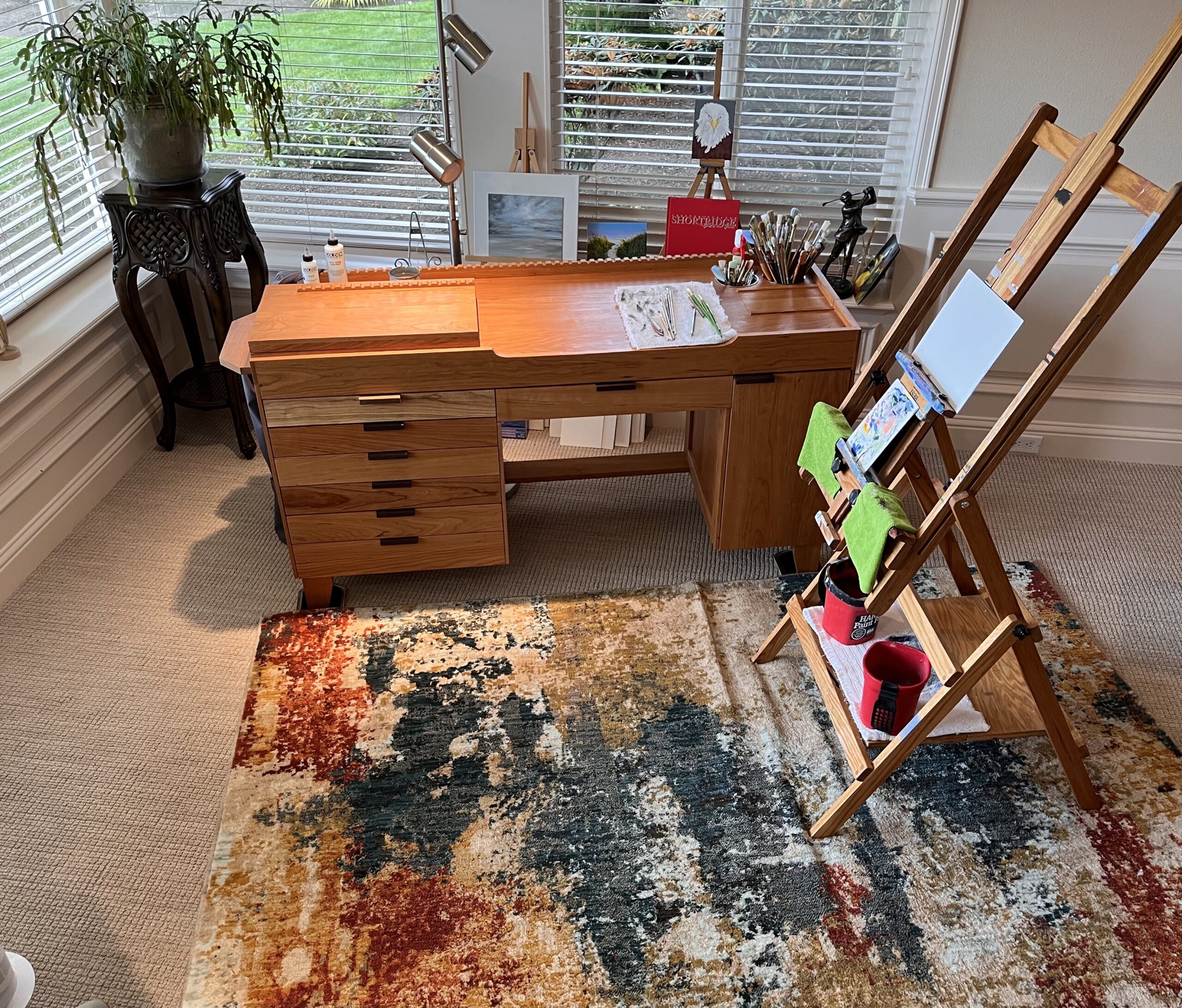
This is not about filling a corner with something custom because nothing else fits. It is about starting with the piece that should exist, then letting that decision clarify the room around it. A well-made desk changes how an office functions. A properly proportioned dining table changes how a family gathers. A built-in cabinet can settle an entire wall and remove the need for three lesser purchases.
What a one of a kind wood furniture commission really is
A true commission is not a menu of stain colors and leg options. It begins with the room, the use, and the standard the piece has to meet over time. That includes dimensions, storage needs, circulation, architectural context, wood movement, joinery, finish durability, and visual weight.
In other words, the work starts long before a board is milled.
There is a difference between built-to-order furniture and a collector-level commission. Built-to-order work follows a refined framework with select variations. A one of a kind wood furniture commission is more demanding. The design is developed specifically for one client, one room, and one way of living. The result should not feel interchangeable. It should feel inevitable, as though the room was always meant to hold that piece.
That level of originality has to be earned. It comes from proportion, restraint, and technical judgment, not novelty for its own sake. The best commissioned pieces are distinctive without being loud. They hold attention because they are resolved.
Why homeowners choose commission work instead of buying retail
Most homeowners do not pursue commissioned furniture because they want something flashy. They do it because they are tired of compromise.
Retail furniture asks you to accept standard dimensions, standard materials, and standard assumptions about how people live. Maybe the table is six inches too long for the room. Maybe the sideboard blocks a walkway. Maybe the desk looks impressive online but has no practical cable management, no place for a printer, and no thought given to the chair that actually needs to tuck under it.
Commissioned work solves different problems. It allows a piece to fit the architecture rather than fight it. It can account for real storage needs instead of decorative staging. It can use wood species and finishes chosen for the room’s light, wear, and long-term character.
There is also a design reason people often overlook. Furniture determines the room more than accessories ever will. It sets the lines, the massing, the visual rhythm, and often the material direction for everything else. If that foundation is weak, the room remains unsettled no matter what gets layered on top.
When a commission makes the most sense
Not every room needs a one-off piece. Sometimes a well-designed standard piece is enough. The right answer depends on the room and the role the furniture needs to play.
A commission makes the most sense when the piece is central to daily use, when the room has unusual constraints, or when the furniture must carry both practical and architectural weight. Home offices, dining rooms, libraries, entry halls, and primary living spaces often justify the investment because the furniture is used constantly and seen from multiple angles.
It also makes sense when you are trying to correct a room that never fully worked. If a space feels awkward, the problem is often not the decor. It is the layout, scale, and storage logic. A commissioned piece can solve all three at once.
The process behind a one of a kind wood furniture commission
Serious custom work should feel disciplined, not vague. The process matters because it protects the quality of the outcome.
The brief comes first
Every strong project begins with questions that go beyond style. How is the room used at different times of day? What needs to be stored, displayed, concealed, or accessed quickly? What are the fixed architectural conditions? What should the piece do quietly in the background, and where should it make its presence known?
Clients sometimes arrive with a clear visual direction. Others only know what has not worked in the past. Both are useful. The point is not to collect references and imitate them. The point is to define what the piece must accomplish.
Proportion and layout drive the design
This is where many custom projects either become exceptional or merely expensive. A piece can be beautifully made and still be wrong for the room. Proportion has to be studied in context. That means understanding sightlines, wall relationships, walking clearances, chair movement, adjacent materials, and the amount of visual mass a room can carry.
A dining table, for example, is not just a tabletop and base. Its shape affects circulation. Its edge detail affects how heavy it feels. Its leg placement changes seating comfort. Its thickness changes whether it reads crisp, grounded, or overbuilt.
Material and construction decisions are deliberate
Wood choice is never only aesthetic. Walnut, white oak, cherry, and other hardwoods each bring different grain character, color movement, hardness, and aging behavior. Finish choices matter just as much. A family dining table and a formal display cabinet should not be treated the same way.
Construction also needs to match the purpose of the piece. Joinery, panel design, hardware selection, and internal structure should support longevity and repairability. Good work accounts for seasonal wood movement, repeated daily use, and the fact that the piece should still be functional decades from now.
Fabrication follows a resolved plan
Once the design is set, fabrication becomes an act of execution, not improvisation. That does not mean craftsmanship is mechanical. It means the creative decisions have already been tested against function and proportion. The making phase should deepen the quality of the design, not rescue an unresolved idea.
What clients should be prepared for
A commission asks more of the client than an online checkout does. That is a good thing.
You will need to make decisions, and some of them will involve trade-offs. A certain wood species may give you the grain character you want but deepen in color more than another option. A delicate profile may look elegant but be less forgiving in a high-impact family zone. A more complex design may be worth it in a focal room and unnecessary in a secondary space.
Lead times are also part of the reality. Fine furniture is not fast furniture. If a project is worth designing properly and building well, it takes time. That time is not waste. It is where accuracy, finish quality, and long-term integrity are protected.
Budget should be approached the same way. A commission is not priced like mass-market furniture because it does not operate on mass-market logic. You are paying for design judgment, material quality, fabrication skill, and a piece that is intended to outlast trends, moves, and repeated replacement cycles.
How to judge whether a maker is right for the job
The right craftsperson is not simply someone who can build. They need to be able to guide. That means they can explain why a dimension should change, why a wood species may or may not suit the room, and why a more restrained design is sometimes the stronger decision.
Look for clarity in process. Look for conviction in design. Look for evidence that the maker understands rooms, not just objects. The strongest commissions come from studios that treat furniture as part of an interior plan rather than an isolated product.
That distinction matters. A custom piece should not arrive as a beautiful outsider. It should belong to the architecture, support the room’s function, and improve how the space is used every day.
The lasting value of commissioned furniture
What makes a commissioned piece worth keeping is not rarity alone. It is how completely it answers a need without feeling temporary. When the design is right, you stop noticing the workarounds that used to define the room. The space settles. Daily use becomes easier. The piece gathers character instead of wearing out its welcome.
That is the real measure of a one of a kind wood furniture commission. Not whether it feels exclusive, but whether it feels necessary once it is in place.
If you are going to invest in a room, start with the piece that deserves to set the standard for everything around it.
please take some time to look at my past commissions and get inspiration or information on how to start the process. Just click here
Discover more from Anderson woodworks custom furniture & cabinets
Subscribe to get the latest posts sent to your email.