A dining table can look substantial in a showroom and still disappoint a few years later. The problem is rarely style alone. It is usually material, construction, and whether the piece was designed for real use or for a quick sale. That is why the question of solid wood vs veneer furniture matters more than most buyers realize.
This is not a simple good-versus-bad comparison. Veneer is not automatically cheap, and solid wood is not automatically superior in every application. The right choice depends on what the piece needs to do, how long you expect to keep it, and whether you are buying furniture as a disposable object or as part of a lasting interior.
Solid wood vs veneer furniture: the real difference
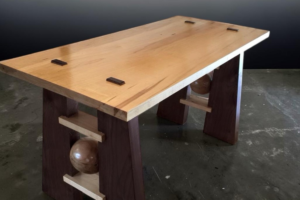
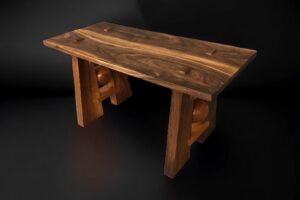
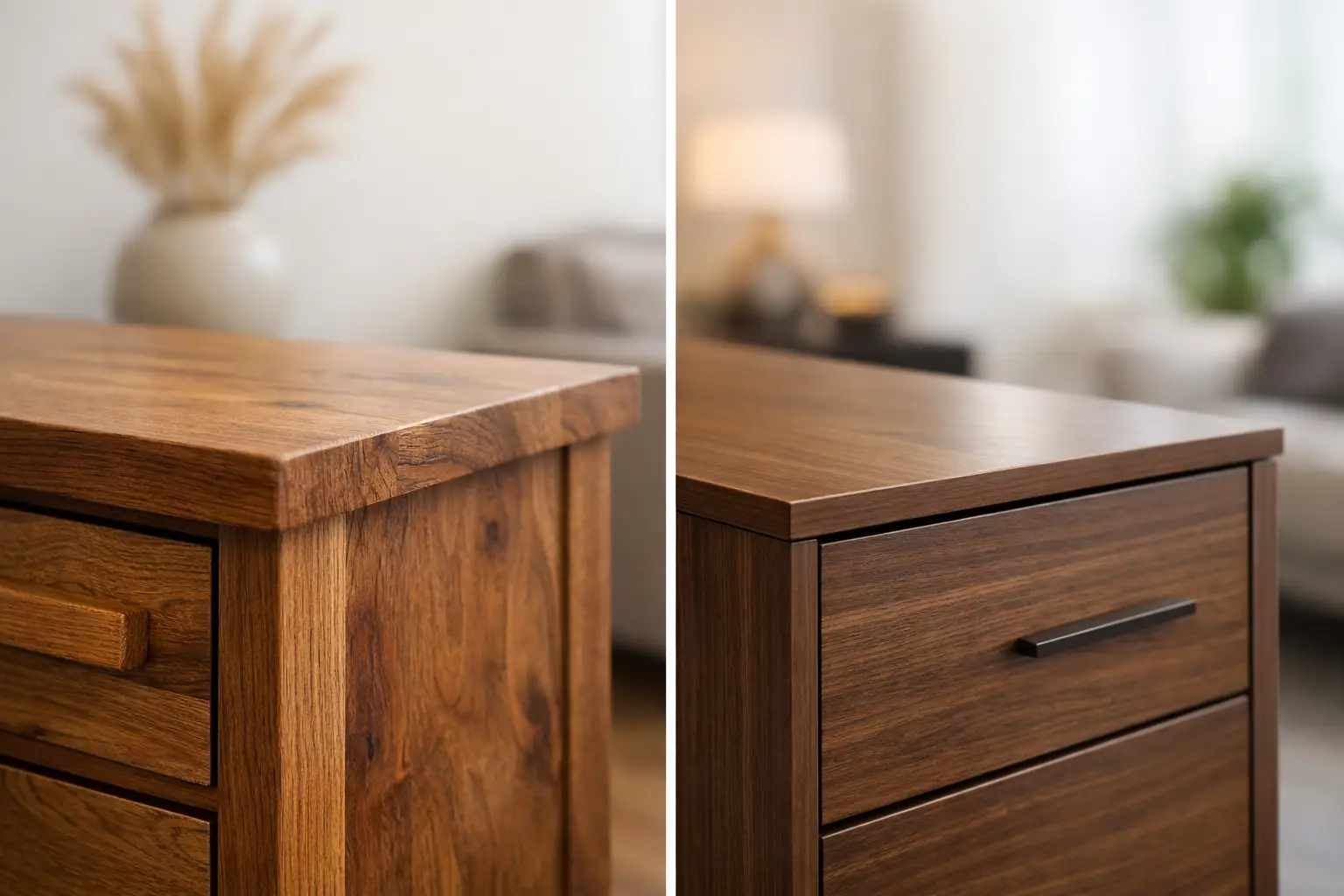
Solid wood furniture is made from boards or components that are wood all the way through. A tabletop might be built from multiple planks joined together. A cabinet door might have a solid frame and solid panel. The material has depth, which means it can be shaped, refinished, and repaired over time.
Veneer furniture uses a thin layer of real wood applied over a stable core, usually plywood, MDF, or particleboard. That surface layer gives the appearance of walnut, oak, maple, or another species, while the underlying panel provides structure. In quality furniture, veneer is a legitimate and highly controlled material choice. In low-grade furniture, it is often used to mimic substance that is not really there.
The distinction that matters is not just what you see on the surface. It is what sits underneath, how the parts are joined, and whether the material strategy matches the demands of the piece.
Why solid wood is prized
Solid wood has a presence that is difficult to fake. It carries weight visually and physically. Edges have depth. Profiles can be cut cleanly. Joinery can be integrated into the design instead of hidden behind mechanical fasteners and filler.
It also ages in a way many homeowners value. Solid wood develops wear honestly. Small dents, softened corners, and finish changes often add character instead of making the piece feel spent. More importantly, when damage does happen, there is usually something to work with. A solid wood top can be sanded and refinished. A damaged leg can often be repaired rather than replaced.
That repairability is one of the strongest arguments for solid wood in high-use pieces. Dining tables, desks, bed frames, and case goods meant to stay in a home for decades benefit from material that can be maintained rather than discarded.
There is also a design reason to choose it. If the goal is a room with permanence, proportion, and visual depth, solid wood contributes more than a pretty grain pattern. It gives the piece integrity. That matters in spaces where furniture is not an accessory but the foundation of the room.
Where veneer earns its place
Veneer has a bad reputation because many people associate it with flimsy, mass-market furniture. That reputation is partly deserved, but it also misses the point. Veneer, when used well, solves real design and construction problems.
Large surfaces are the clearest example. A wide tabletop or cabinet side made from solid wood will expand and contract across the grain as humidity changes. That movement is natural, but it has to be managed carefully. Veneered panels over a stable core are far less prone to seasonal movement, which makes them useful for broad, flat surfaces where precision matters.
Veneer also allows for visual consistency. If a project calls for balanced grain matching across a bank of cabinet fronts or a large credenza, veneer can deliver control that solid boards often cannot. In high-end furniture making, that can be an advantage, not a compromise.
The catch is construction quality. Veneer over quality plywood is a very different product from veneer over particleboard. One can perform beautifully for years. The other may swell, chip, or delaminate when exposed to ordinary household wear.
The trade-offs most buyers miss
When clients compare solid wood vs veneer furniture, they often focus on price first and appearance second. Those are understandable concerns, but they are not enough.
A better question is this: what kind of aging are you willing to live with? Solid wood will move, gain patina, and sometimes show seasonal shifts. Veneer will stay flatter, but if the surface is damaged deeply enough, repair options become more limited. A scratched solid wood edge may be sanded and restored. A chipped veneer edge can be much harder to disguise cleanly.
Weight is another factor. Solid wood can be heavier, which sometimes signals substance and sometimes creates practical problems, especially in upper-floor rooms or tight stair access. Veneered construction can reduce weight while maintaining a refined appearance.
Then there is cost allocation. If your budget is finite, solid wood everywhere may not be the smartest use of funds. It can make more sense to invest in solid wood where touch, wear, and long-term repair matter most, while using veneered panels strategically in secondary areas. Thoughtful furniture makers make these distinctions on purpose.
How to judge quality beyond the label
The phrase solid wood is often used as shorthand for quality, but it should not end the conversation. Poorly dried lumber, weak joinery, or clumsy proportions can undermine even expensive material. Veneer furniture has the same issue in reverse. The label alone tells you very little.
Look at the edges. If a tabletop claims to be substantial, is that thickness real or built up? Examine the underside if possible. Ask what the core material is. Plywood, MDF, and particleboard are not interchangeable. Ask how movement is handled in wide panels and tops. Ask how the piece can be repaired ten years from now.
Construction details matter just as much as species. Drawer boxes, joinery, hardware quality, back panels, and finish system all affect longevity. A well-built veneered cabinet can outperform a poorly made solid wood one.
This is where custom work separates itself from mass retail. In a disciplined shop, material choices are made in relation to use, scale, environment, and design intent. They are not chosen because a marketing department knows which label sounds more premium.
Which is better for each type of furniture?
For dining tables, desks, bed frames, and chairs, solid wood usually makes the strongest case. These pieces take concentrated wear, get touched constantly, and benefit from future repair. The tactile quality also matters more here.
For large case pieces, built-ins, cabinet systems, and broad door or panel surfaces, veneer often makes structural and visual sense when it is properly specified. Stability becomes a major advantage, especially when precision and clean alignment are part of the design.
For heirloom work, the answer is often both. A piece may use solid wood for legs, frames, edges, and touchpoints, while veneered panels handle broad fields with better stability and grain control. That is not a shortcut. It is often the more intelligent build.
Solid wood vs veneer furniture for a long-term home
If you are furnishing a home you intend to keep, the decision should be tied to permanence. Not trend, not showroom lighting, and not a sales tag that uses the word handcrafted loosely.
Choose solid wood when you want depth, repairability, and a material that can age with the house. Choose veneer when the piece calls for broad stability, careful grain layout, or a more controlled panel construction. Reject both when they are used carelessly.
The strongest interiors are built on decisions that hold up under daily life. In the Pacific Northwest, where moisture and seasonal change are real considerations, material honesty matters even more. Furniture should be designed with climate, use, and longevity in mind rather than treated as a temporary layer to be replaced when tastes shift.
At Anderson Woodworks, that is the standard: furniture and built-ins are not selected as decoration after the room is finished. They help determine how the room works in the first place.
If you are deciding between the two, do not ask which material sounds better. Ask what the piece must endure, how it should age, and whether you want to own it for a few years or for a significant part of your life. That question usually leads to the right answer.
for consultation just email me a.woodworks@hotmail.com
Discover more from Anderson woodworks custom furniture & cabinets
Subscribe to get the latest posts sent to your email.