For those who work with their hands, heart, and mind
There’s a quiet pulse in every workshop, studio, and garage. A rhythm older than electricity, older than machinery, older than anything sold in a store. It’s the pulse of creation—the heartbeat of the people who shape the world with raw material, imagination, and grit.
This is an ode to the makers.
Not the ones chasing trends or algorithms, but the ones who show up every day because the work is in their bones. The ones who create because they must. Because their heart beats louder when they’re building something that didn’t exist yesterday.
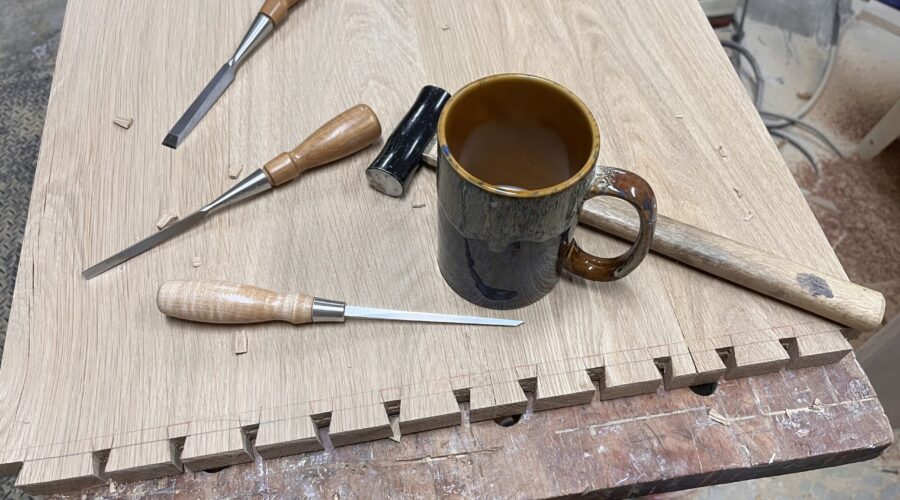
This is for the early risers who sketch ideas with their morning coffee.
For the woodworker shaping cherry and walnut until the grain begins to sing.
For the welder who writes in sparks.
For the painter turning white canvas into memory.
For the sculptor revealing form hidden within stone.
For the dreamers who cut, carve, shape, sand, join, and finish until their vision becomes reality.
It’s for the makers who use the three tools that can never be digitized:
Their hands. Their heart. Their brain.
The hands — the storytellers.
They hold the memory of every project, every miscut, every victory. They carve the lines of our legacy. They ache sometimes. They bleed sometimes. But they never quit.
The heart — the compass.
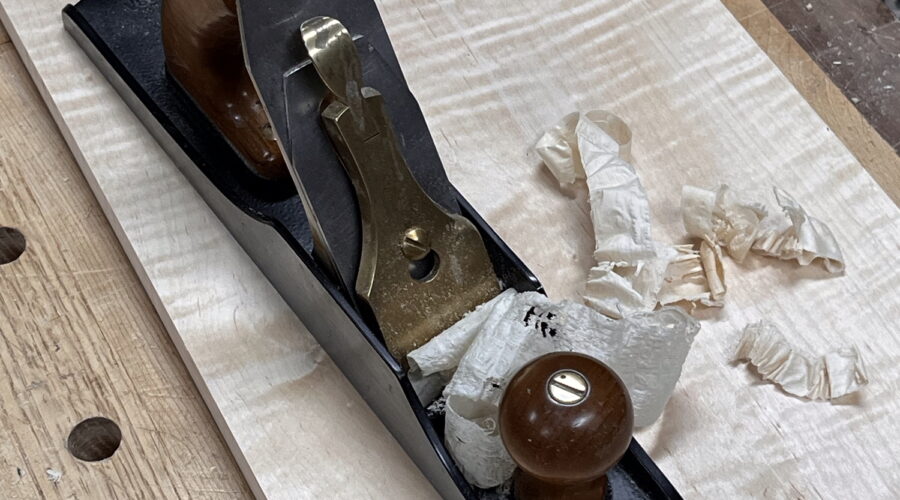
It knows when a piece is right. When craftsmanship demands another hour, another pass of the plane, another detail no one sees but the maker can’t ignore. It’s the part of us that whispers, “Do it the right way.”
The brain — the architect.
It balances precision with imagination.
Math with style.
Experience with instinct.
It’s the spark that says: “I can build that.” Even when others call it impossible.
To create is to care—with your whole being.
To make something by hand is to leave a part of your soul in the world.
In a time of shortcuts, mass-production, and disposable everything, makers remind us of something deeply human:
The best things in life take time. They take skill. They take heart.
So here’s to every maker—every woodworker, artist, welder, sculptor, designer, craftsman, and creator who keeps the old ways alive.
May your hands remain steady.
Your heart stay fierce.
And your mind forever hungry for the next beautiful idea.
And may the world always remember the value of what you create.
If you believe in the value of handcrafted work — in furniture and art made with intention, skill, and legacy — consider commissioning a one-of-a-kind piece from me.
Visit: www.andersonwoodwork.net
Call or Text: 360-259-0232
Together, let’s build something beautiful that will outlast us both.
If you like my article please subscribe and share
🙌 Support the Craft — Keep the Tradition Alive
If you’ve enjoyed this post or found inspiration in the work I do, consider supporting the craft. Your donations help me continue creating heirloom-quality, one-of-a-kind furniture and sharing the process with you.
👉 Click here to donate — every bit goes directly into the shop, the tools, the time, and the stories behind the pieces.
And if you’re interested in commissioning a custom piece for your home, visit andersonwoodwork.net — let’s design something truly special together.
Every now and then a project comes across my bench that reminds me why I chose this life—why I traded mass-produced throwaway furniture for the kind of work that demands patience, precision, and a deep respect for the wood itself.
This teak table is one of those pieces.
If you’ve followed my work for a while, you know I gravitate toward builds that allow the wood to speak for itself. Teak has a voice—warm, rich, oily, and unmistakable—and this table gave me the chance to bring out every bit of character it holds.
From Raw Parts to a Living Surface
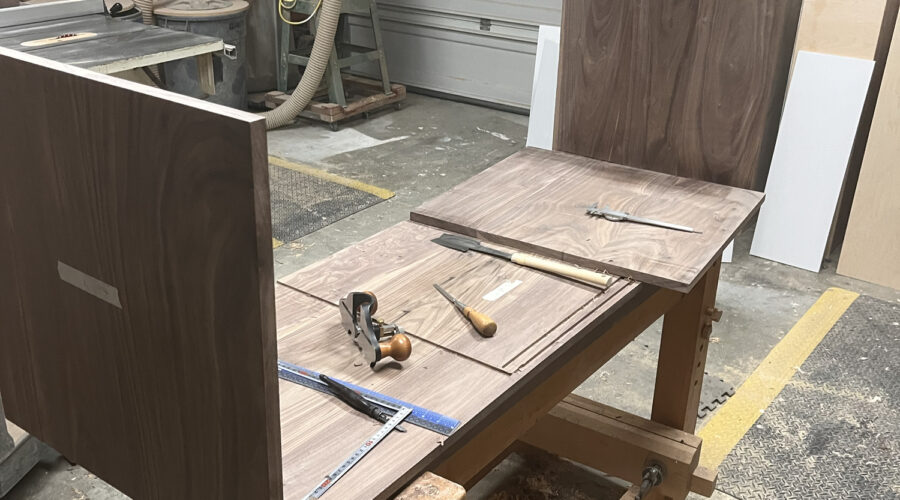
Before any glue ever touched this table, there were hours of layout, hand-trimming, and fitting.
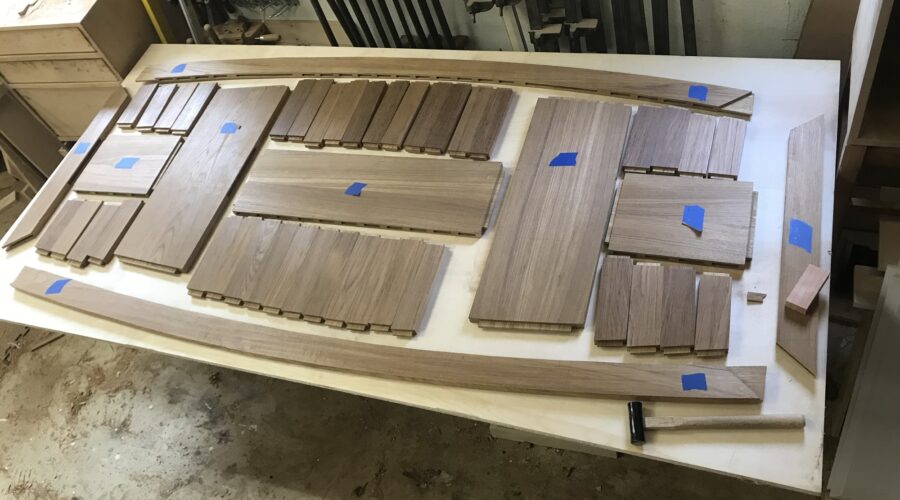
Here’s a look at the parts during the dry-fit stage:
Every piece you see in that photo has a purpose and a relationship to the others. Teak isn’t a wood you rush. It demands sharp tools, steady hands, and respect. It fights you a little—but in a way that makes the finished result even more rewarding.
Each slat, every panel, and those long sweeping rails were shaped, matched, and hand-fitted. There’s something satisfying about seeing a project laid out like this—almost like a giant wooden puzzle you created from scratch.
A Tabletop With Depth and Movement
Once assembled, the top came alive.
The slatted pattern creates movement, almost like shifting light across a deck on a warm evening. The framing brings balance and structure, while the natural variation in the teak adds warmth and depth. This isn’t a surface you forget—it’s one you want to run your hands across.
There’s no stain here. No tricks. Just teak being teak. I simply sanded it true and brought the grain forward with a finish that protects without drowning the wood’s natural beauty.
Why I Build Like This
I get asked sometimes why I put so much effort into joinery and solid wood construction when the world seems happy with disposable furniture.
My answer is simple:
Because real furniture should outlast trends, owners, and even the craftsman who built it.
This table is made the way furniture used to be made—with joinery that can be repaired, wood that ages with dignity, and craftsmanship that doesn’t cut corners.
When someone commissions a piece from me, I’m not just building an object.
I’m building a story they can live with, use every day, and eventually pass on.
Teak, Craftsmanship, and the Satisfaction of the Work
Teak is timeless. It weathers beautifully, it’s naturally durable, and it carries this warm organic glow that only gets better with age.
But more than that—this project was simply fun.
It challenged me.
It required every trick I’ve learned over the years.
And it reminded me that creating something with your own hands still matters.
Thank you for following along on these builds and supporting handcrafted work. If you’d like to commission a piece that’s built to last generations, you can always reach me at andersonwoodwork.net or call/text 360-259-0232.
If you’ve enjoyed this post or found inspiration in the work I do, consider supporting the craft. Your donations help me continue creating heirloom-quality, one-of-a-kind furniture and sharing the process with you.
👉 Click here to donate — every bit goes directly into the shop, the tools, the time, and the stories behind the pieces.
And if you’re interested in commissioning a custom piece for your home, visit andersonwoodwork.net — let’s design something truly special together.
I believe that, handcrafted furniture stands apart from it mass produced counterparts . Every piece I create at Anderson Woodworks is built with purpose — made to last, to be repaired, and to become a part of your life’s story. I don’t just build furniture; I build heirlooms that bring warmth, integrity, and craftsmanship into your home.
Built to Last: The Power of Hand-Cut Joinery
Each of my pieces is made using traditional hand-cut joinery — methods like dovetail and mortise-and-tenon joints that have been used by fine furniture makers for centuries. These aren’t shortcuts or decorative illusions. They’re the real thing — solid wood connections that stand the test of time.
Unlike machine-made furniture that relies on glue, screws, and shortcuts, true joinery gives strength, precision, and character to every piece. It also means your furniture is reparable, not replaceable. If it ever needs a tune-up, it can be restored — not thrown away. That’s what real value means.
Handcrafted Means Sustainable
In choosing custom handmade furniture, you’re not just investing in beauty — you’re making a sustainable choice. Every piece I create is designed to reduce waste and conserve resources by lasting for generations. I believe that the most environmentally responsible thing we can do is build things that last.
When you buy mass-produced furniture, it’s built to fail — often ending up in landfills within a few years. But a well-crafted, solid wood piece can be handed down through your family, repaired if needed, and loved for decades. This is sustainability through craftsmanship.
Preserving the Art of Woodworking
I believe that every time I reach for a hand plane, chisel, or saw, I’m helping preserve the art of woodworking — the skills that built the furniture of history. These time-honored techniques are slowly disappearing in a world that values speed over soul.
My mission is to keep those traditions alive. By using hand tools and fine joinery, I’m not just crafting furniture — I’m protecting a legacy of knowledge and artistry. Each stroke of the tool connects me to the craftsmen of the past, ensuring their skills aren’t lost to time.
The Value of Timeless Design
When you commission custom furniture, you’re getting more than just a functional piece. You’re investing in something timeless and valuable — something made specifically for you, with wood carefully chosen for its beauty and durability.
Each design reflects your style and my commitment to precision, proportion, and longevity. It’s built not just to look good today but to remain beautiful for generations. True craftsmanship never goes out of style — and neither should your furniture.
A Legacy You Can Live With
Handcrafted furniture carries a value that can’t be measured in dollars alone. It’s the value of time, skill, sustainability, and meaning. It’s knowing that what you own was built by a craftsman who cared deeply about every joint, curve, and finish.
When you bring a piece from Anderson Woodworks into your home, you’re not just buying furniture — you’re adding a story, a connection, and a legacy.
Let’s create something lasting together.
Columbia hall table
Visit andersonwoodwork.net to explore my portfolio and learn how to commission a custom handcrafted piece designed to stand for generations.
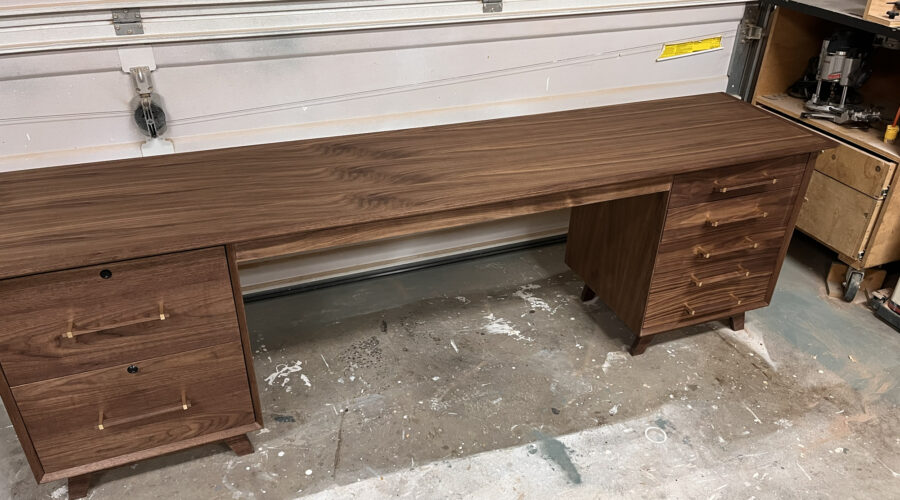
There’s a quiet sophistication in true craftsmanship — that rare balance between design, material, and human touch. This midcentury modern desk was created to capture exactly that. Every curve, every joint, every polished surface reflects the patience and precision that defines luxury made by hand.
Refined Design. Enduring Form.
Inspired by the elegance of midcentury modern design, this desk celebrates simplicity as the ultimate form of luxury. The tapered legs and clean lines lend a sculptural presence, while the warmth of walnut brings a sense of calm and natural beauty to any space.
This is furniture that doesn’t just fill a room — it completes it. Designed to harmonize with both modern and classic interiors, the desk’s proportions and tone feel effortless, yet intentional in every way.
Crafted by Hand, Built for a Lifetime
Each piece begins with a single vision and a careful selection of the finest hardwoods. From the first cut to the final finish, every step is guided by experience and precision. The joinery is traditional, the craftsmanship uncompromising. The finish — a hand-rubbed oil and wax — enhances the grain, revealing depth, luster, and that unmistakable glow that only comes from true wood, not imitation veneer.
Luxury, after all, isn’t about excess — it’s about quality that endures. This desk is built to become part of your story, a piece to be admired today and cherished for generations.
Functional Elegance
While it’s undeniably art, this desk is also designed for daily use. The surface is spacious yet intimate, ideal for creative work or quiet focus. The structure feels solid and balanced, grounding you in the beauty of natural materials.
It’s a reminder that luxury can be lived with — not just looked at.
A Statement of Taste
Owning a handcrafted piece from Anderson Woodworks means more than having fine furniture. It’s a statement — an appreciation for artistry, sustainability, and craftsmanship that cannot be replicated by machines. Each commission is designed with your space and lifestyle in mind, ensuring that every piece is as individual as its owner.
Commission Your Own
If this midcentury modern desk inspires you, imagine what we could create together. Whether it’s a desk, dining table, or a bespoke piece built around your vision, each design is tailored to reflect your taste and elevate your space.
When you buy from a small business, you’re not just buying a product — you’re supporting a person, a passion, and a purpose. You’re helping keep a skill alive, and that means something to those of us who work with our hands every day.
Every Sale Has a Story
For me, every table, every custom piece I make isn’t just wood and joinery — it’s part of my story and part of my customer’s story. When someone chooses to work with me instead of a big-box brand, they’re putting their trust in a craftsman. They’re choosing something real — something built to last — and that support allows me to keep doing what I love: creating furniture that’s as honest as the hands that made it.
Keeping the Local Economy Strong
When you buy local, you keep your dollars local. That means the money goes back into our own communities — to our schools, our neighbors, and our small-town shops. Small businesses like mine rely on community, and in return, we help strengthen it. It’s a full circle.
Craftsmanship Still Matters
We live in a time when mass-produced furniture is everywhere. It’s cheap, fast, and disposable. But craftsmanship — the kind that takes time, patience, and skill — is something worth preserving. When you buy from a local craftsman, you’re helping make sure that knowledge doesn’t disappear. You’re saying that quality and integrity still matter.
Built with Care, Not Just for Profit
Every small business owner I know — whether they’re bakers, mechanics, or woodworkers — cares deeply about their work. We build things to last. We take pride in details that no machine can replicate. Supporting small businesses means choosing heart over haste.
Better for the Planet, Better for the Community
Buying from small local makers often means less waste and fewer miles traveled. The materials I use are responsibly sourced, and I know where they come from. That kind of accountability doesn’t always exist in large-scale manufacturing. Small businesses are part of the solution — not just economically, but environmentally.
Preserving Character and Culture
Small businesses are what give our communities their charm and personality. The coffee shop down the street, the family-run hardware store, the local craftsman’s workshop — they make our towns feel alive. When you support them, you’re helping preserve that character.
A Ripple That Reaches Farther Than You Think
Your support creates a ripple effect — helping small businesses hire locally, buy from other local suppliers, and inspire new makers to follow their passions. It’s not just about one sale; it’s about building a stronger, more connected community.
When you support a small business, you’re supporting someone’s dream — someone who’s putting in the hours, sweating the details, and creating something with purpose. For me, woodworking isn’t just a job — it’s who I am. And every person who believes in that helps keep craftsmanship alive for the next generation.
If this message resonates with you, I’d love for you to like, subscribe, and share this post with your family and friends — help spread the word about the importance of supporting local makers.
And if you’re ready to bring a one-of-a-kind, handcrafted piece of furniture into your home, I’d be honored to create something truly special for you.
👉 Visit andersonwoodwork.net to commission your custom piece today.or call /text 360-259-0232
There’s a creative rhythm flowing through the shop lately — the kind that happens when craftsmanship and collaboration come together.
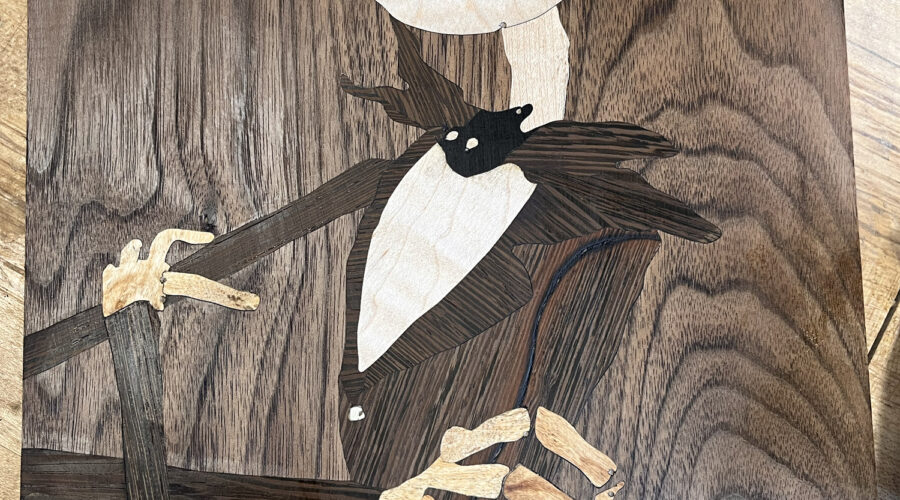
I just finished Jack, a marquetry piece inspired by The Nightmare Before Christmas. This project has been a fun and inspiring collaboration with another talented local woodworker, Justin La Gra. Together, we’re creating something truly unique — Jack and Sally will both be incorporated into a set of themed rocking chairs that Justin is building. His craftsmanship and eye for design pair beautifully with the marquetry detail work, making this a project that really celebrates artistry in wood.
🪶 Sally Takes Shape
With Jack now complete, I’ll be starting on Sally next. Her design brings warmth, color, and contrast — she’ll balance Jack’s darker tones perfectly. I’m excited to see how both characters will come to life once they’re part of Justyn’s rocking chairs.
🪚 The Desk Project
At the same time, I’m working on a custom desk build. The parts are all cut and ready, and the next step is applying the edging. There’s something deeply satisfying about this process — watching rough-cut wood evolve into a piece of fine furniture that will last a lifetime.
Each project reminds me why I love this craft — the blend of imagination, precision, and patience that turns an idea into something tangible and lasting. Collaborations like this one push that creativity even further, showing how two makers can combine their skills to create something one-of-a-kind.
🍂 Artist’s Note
There’s something about this time of year — the fall light coming through the shop windows, the scent of sawdust, and the quiet focus that comes with each new project. Working alongside other makers like Justyn reminds me that craftsmanship is as much about community as it is about wood and tools.
Each collaboration carries a bit of shared vision, and through that, the work takes on new life. As Jack and Sally come together in his themed rocking chairs, I’m reminded that creativity isn’t just in what we make — it’s in how we work together to make it.
Stay tuned for more updates from the shop as Sally takes shape and the desk build continues.
🔗 Learn More
If you’d like to learn more about my work or commission a custom piece, visit Anderson Woodworks — where craftsmanship meets creativity.
Please like and share or if you really like seeing what I share sign up for my blog post.
There’s a quiet magic that happens in the workshop when the air outside turns crisp and the colors of fall begin to shift. The light is softer, the wood smells sweeter, and inspiration seems to come from every falling leaf.
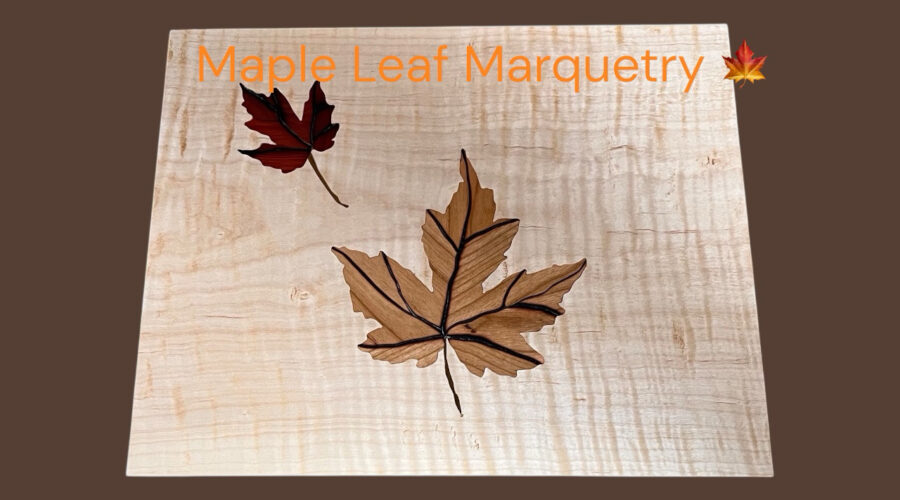
In my latest full-length video, I share the creation of a maple leaf marquetry piece — a work that brings together patience, precision, and a deep appreciation for nature’s fleeting beauty.
A Tribute to Autumn
The maple leaf has long been a symbol of change, balance, and reflection. In marquetry, that symbolism becomes tangible. Each small veneer represents a fragment of the season — shades of gold, amber, and red pieced together to hold on to a moment that would otherwise pass.
Creating this piece reminded me why I fell in love with woodworking in the first place. Working with real materials, guided by hand tools, allows time to slow down. Each cut and fit carries intention. Every decision leaves a trace of the maker — the human hand behind the precision.
The Process
In the video, you’ll see how I design, cut, and assemble the veneers that make up this maple leaf. From the first sketch to the final polish, every step demands focus and patience. That’s the beauty of marquetry — it’s both art and discipline.
What might look simple at a glance is actually a puzzle of tone, grain, and contrast. The way light catches the wood, the direction of the grain — all these subtle choices bring life and depth to the finished piece.
Holding Onto Nature’s Poetry
Fall always reminds me how short-lived beauty can be. The colors fade, the leaves fall, and the world turns quiet. But through craft, I can preserve a piece of that feeling — turning the impermanent into something that will last for generations.
That’s what drives my work: creating pieces that are not just functional, but meaningful. Art that connects us back to the land, the seasons, and the traditions of fine woodworking.
Watch the Full Video
If you’d like to see how this piece was made from start to finish, watch the full video on my YouTube channel. It’s a journey through the marquetry process — the design, the detail, and the quiet rhythm of craft.
👉 Learn more about my work, my process, and how to commission a custom piece at:
If you enjoy the video, please take a moment to like, share, and leave a comment — your thoughts and support mean a lot and help keep the art of craftsmanship alive.
🍂 Thank you for being part of this journey and for appreciating the beauty of handmade work. 🍂
Cherry wood has long held a special place in fine furniture making. Known for its warmth, workability, and timeless character, it’s a species that bridges America’s woodworking past with its present-day craft traditions.
A Brief History
American black cherry (Prunus serotina) has been used in furniture making since the early colonial era. Early American craftsmen prized it for its smooth grain and ability to take a rich, glowing finish. In the 18th and 19th centuries, cherry often appeared in Shaker and Federal-style furniture—chosen both for its beauty and its local availability across the Eastern United States.
Over time, as imported woods like mahogany became less accessible, cherry became one of America’s defining hardwoods.
Where Cherry Grows
Cherry trees thrive in the temperate regions of the eastern and central United States, particularly in Pennsylvania, New York, West Virginia, and Ohio. The heartwood develops its characteristic reddish-brown tone as it ages, while the sapwood remains a light creamy color—this natural contrast often becomes part of a furniture maker’s design.
The best-quality cherry lumber often comes from the Appalachian region, where slow growth produces fine, even grain. These forests are sustainably managed, ensuring that cherry remains a renewable American resource.
Uses and Applications
Cherry’s fine, even texture makes it a favorite among cabinetmakers, furniture builders, and woodturners. It’s found in everything from custom cabinetry and tabletops to musical instruments and architectural millwork.
Because it ages gracefully—deepening in color as it’s exposed to light—cherry furniture develops a natural patina that tells the story of time. That quality makes it a top choice for heirloom pieces.
Working Cherry by Hand
For the craftsman using traditional hand tools, cherry offers a rewarding experience. It planes and chisels cleanly, with a smooth, buttery feel beneath the blade. Its moderate hardness means it holds detail well without being punishing on tools.
That said, cherry’s grain can sometimes be unpredictable—especially around knots or curly figure—so sharp tools and careful grain reading are essential.
When sanded or scraped properly, the wood’s surface accepts oil or shellac beautifully, producing a finish that glows with depth and warmth.
A Wood of Lasting Value
Cherry is more than a beautiful material—it’s a cornerstone of American craftsmanship. Its combination of color, durability, and workability has kept it relevant for centuries. Whether shaped by hand planes or modern tools, cherry continues to reward those who respect the craft.
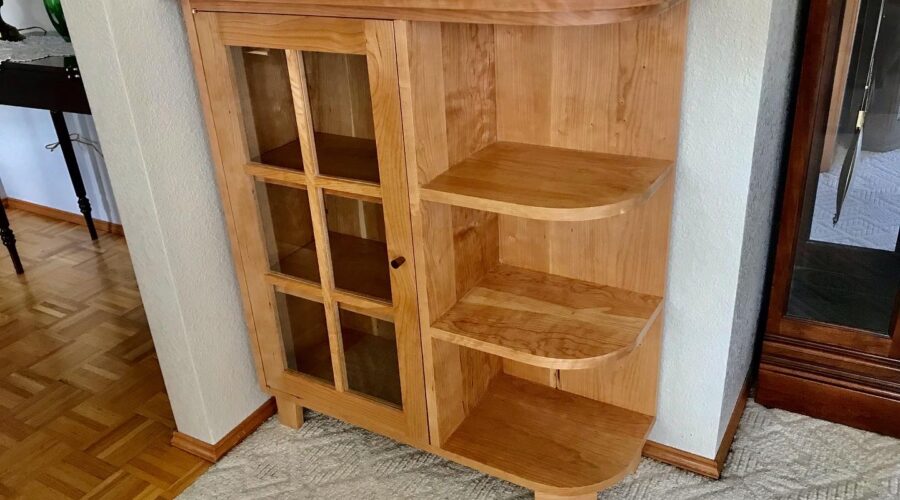
At Anderson Woodworks, each piece is made by hand with respect for the material and the craft. If you’ve ever dreamed of owning a custom cherry table, desk, or built-in that will grow richer with time, now’s the moment to begin.
📞 Call or text 360-259-0232 to schedule a consultation, or look around my website to start your custom furniture journey.
Please help support small businesses like and share and if you have any comments please feel free to comment.
This morning I sat down with my friend and fellow maker, Justyn LeGraw, to dream up something special — a pair of rocking chairs that will carry scenes from The Nightmare Before Christmas in hand-cut marquetry.
We laid out the veneers, talked through the rhythm of the imagery, and studied the tones of each wood — maple, walnut, rosewood — each one with its own voice. The goal is to let the story live in the grain itself, not just on the surface.
It’s the kind of collaboration I love — where craft meets imagination, and wood becomes a canvas for something timeless. 🌙🪵✨
I get the question often enough that it deserves a direct answer.
“Why does your marquetry piece cost $2,500 when I can buy wood wall art at West Elm for $300?”
It’s a fair question. At first glance, they might look similar—both are wood, both hang on a wall, both feature natural imagery. But the difference between handcrafted marquetry and mass-produced wood decor is the difference between a hand-forged knife and a stamped blade. They may serve similar purposes, but they’re not the same thing.
Let me walk you through what separates them.
The Material Question: Solid Hardwood vs. Printed Veneer
Most wood wall art you’ll find in furniture stores or online retailers isn’t actually made from solid wood in the way you might imagine.
The typical construction:
MDF or particle board base
Thin printed veneer or vinyl film applied to the surface
Wood grain pattern is photographed and printed, not real
“Wood” frame is often plastic with wood-grain texture
What this means: The wood you’re seeing is decorative surface treatment, not structural material. It’s designed to look like wood from a distance, photograph well for catalogs, and ship cheaply in flat boxes.
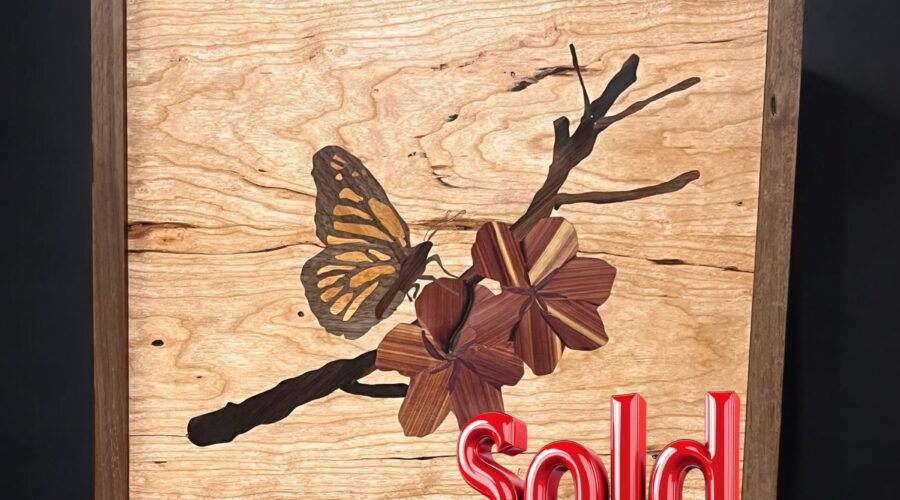
Marquetry construction: Every element you see in one of my marquetry pieces is solid hardwood—cherry, walnut, maple, oak—the same species I use in dining tables and cabinets. Each leaf, each petal, each branch is cut from boards that were once living trees, with real grain patterns, natural color variation, and the character that only comes from decades of growth.
The butterfly wings in the piece I just completed? Book-matched cherry, meaning I split a single board and opened it like a book to create perfect natural symmetry. The darker elements? Walnut heartwood, selected for its deep chocolate tones. The background? Spalted maple with natural figuring created by fungal patterns in the living tree.
You can’t print that. You can’t fake it. And you can’t get it for $300.
Material cost reality: A typical mass-produced piece uses $15-30 in materials. My marquetry pieces use $130-250 in premium hardwoods alone, before factoring in the walnut frame, backing, and non-toxic finishes.
The Craftsmanship Divide: Laser Cutting vs. Hand Fitting
Here’s where the real difference lives.
Mass-produced wood wall art—even the “handmade” versions on Etsy that use real wood—are typically created using:
CNC routers or laser cutters (computer-controlled machines)
Pre-designed templates downloaded or purchased
Assembly-line production (one person cuts, another assembles, another finishes)
Minimal hand-fitting or adjustment
What this enables: Speed. A laser cutter can produce 20 identical pieces in the time it takes me to cut and fit a single butterfly wing. There’s nothing inherently wrong with this—it’s efficient manufacturing. But it’s manufacturing, not craftsmanship.
Traditional marquetry: Every piece I create is hand-cut using the same tools furniture makers have used for centuries—coping saws, chisels, planes, and scrapers. Each element is individually fitted, adjusted, and refined until the joints are tight enough that you can’t see glue lines.
This is furniture-grade joinery applied to wall art. The same mortise and tenon precision, the same attention to grain direction, the same zero-tolerance fitting I use in heirloom dining tables.
Why hand-cutting matters: It allows me to respond to the wood itself. When I’m cutting a butterfly wing and encounter unexpected figure in the cherry, I can adjust the design to feature it. When two pieces don’t quite fit, I can plane them by hand until they do. When the grain wants to run a certain direction, I can honor that.
A CNC router follows the program. A craftsman follows the wood.
The Time Investment: Hours vs. Minutes
Let’s talk about what “handmade” actually means in terms of time.
Mass-produced timeline:
Design: 0 hours (template purchased or downloaded)
Fitting and adjustment: 4-8 hours (ensuring tight joints, no gaps)
Assembly and gluing: 2-4 hours (careful clamping, cleanup)
Finishing: 2-4 hours (multiple coats of oil and wax, hand-rubbed)
Framing: 2-3 hours (mitered frame corners, French cleat mounting)
Total: 22-43 hours per piece
That’s not an exaggeration. The butterfly piece I posted yesterday? Thirty-two hours of focused work over six weeks, fitted around furniture projects.
Why this matters: Time is the most honest measure of value. When you purchase one of my marquetry pieces, you’re not just buying wood and glue—you’re buying 30-40 hours of my attention, skill, and intention. Every hour I spend on that piece is an hour I’m not building furniture, not taking on another project, not doing something else.
Mass-produced pieces minimize labor to maximize profit. Handcrafted pieces honor labor as the source of value.
The Longevity Question: Decoration vs. Heirloom
Here’s the uncomfortable truth about most mass-produced wood wall art: it’s designed to last 5-10 years, not generations.
Typical construction weaknesses:
Printed veneers fade with sunlight exposure
MDF cores absorb moisture and swell
Spray finishes chip and peel
Glued joints separate over time
Thin materials warp in seasonal humidity changes
I’m not saying these pieces are poorly made for what they are—they’re designed to hit a price point and aesthetic trend. But they’re not built to become family heirlooms.
Marquetry built to furniture standards: When I create a marquetry piece, I’m using the same construction principles I use in dining tables that will serve families for 50+ years:
Solid hardwood construction (no veneer, no MDF)
Traditional joinery (fitted joints, not just glue)
Non-toxic oil and wax finishes that penetrate the wood (can be refreshed in 20 years)
Proper wood movement accommodation (pieces can expand and contract with seasons)
Quality frame construction with furniture-grade joinery
What this means: The marquetry piece you purchase today should look essentially the same in 2075. The wood will develop a richer patina. The finish can be refreshed if needed. But the piece itself—the craftsmanship, the joinery, the integrity—will endure.
Your great-grandchildren will inherit it, and it will still be beautiful.
Can you say that about something from HomeGoods?
The Investment Perspective: Cost vs. Value
Let’s address the elephant in the room: price.
A mass-produced wood wall art piece costs $150-400. My marquetry pieces cost $1,800-5,500.
That’s a significant difference, and it deserves honest examination.
What you’re paying for with mass-produced:
Materials: $20-40
Labor (2-3 hours at $15-25/hour): $30-75
Overhead and profit margin: $100-285
Total: $150-400
What you’re paying for with handcrafted marquetry:
Overhead (workshop, tools, maintenance): Included in labor rate
Total cost: $3,040-4,130
Retail price: $1,800-5,500 (I’m actually underpricing based on pure labor costs because I fill gap time between furniture projects)
The value equation: When you buy mass-produced, you’re paying for convenience and trend-matching. When you buy handcrafted, you’re paying for:
Irreplaceable skill (decades of furniture-making mastery)
Irreplaceable time (30-40 hours of focused craftsmanship)
Irreplaceable materials (solid hardwoods with natural character)
Lasting value (heirloom quality that appreciates over time)
Consider this: A $300 piece that lasts 7 years costs $43/year. A $2,500 piece that lasts 75+ years costs $33/year—and can be passed down with increasing sentimental value.
Which is the better investment?
The Story Behind the Work
There’s one more difference that’s harder to quantify but impossible to ignore: provenance.
When you purchase mass-produced art, you’re buying a product. You don’t know who designed it, who cut it, who assembled it. It was likely created by multiple people across multiple facilities, none of whom will ever know where it ended up or who’s living with it.
When you purchase one of my marquetry pieces, you’re buying a story:
You know it was created in a 250-square-foot workshop in Yelm, Washington, by a self-taught furniture maker who learned the craft from his grandfather’s tools. You know the cherry came from Edensaw, a local lumber supplier I’ve worked with for years. You know I selected each board personally, looking for grain and color that would serve the design.
You know I cut each piece by hand, fitted each joint, applied each coat of finish. You know that when I signed the back of the piece, I was signing something I’m proud to have created.
And if something ever goes wrong—if the piece is damaged, if you want to commission a companion piece, if you just want to talk about the wood—you can call me. I’m here.
That’s not something you get from a factory in China or a fulfillment center in Ohio.
Making the Choice
I’m not here to tell you that mass-produced wood wall art is bad or that you should never buy it.
If you’re furnishing a rental apartment, decorating a vacation home, or simply want something trendy and affordable to fill a wall, mass-produced pieces serve a purpose. There’s no shame in that.
But if you’re looking for something more—something that carries meaning, that reflects your values, that will outlive you and become part of your family’s story—then handcrafted marquetry is worth the investment.
The difference isn’t just in the price tag. It’s in the materials, the time, the skill, and the intention behind every cut.
It’s the difference between decoration and legacy.
About Anderson Woodworks
I’m Brian Anderson, a furniture maker and marquetry artist working in Yelm, Washington. I create heirloom-quality custom furniture and wall art using traditional hand-tool techniques and Pacific Northwest hardwoods. Every piece is built to last generations.
If you’re interested in commissioning a marquetry piece or learning more about the process, visit www.andersonwoodwork.net or reach out directly.
Current lead time for marquetry commissions: 6-8 weeks.