In every era marked by repression, artists have stepped quietly—but powerfully—into the role of dissident. They do not command armies, draft legislation, or stage coups. Yet through their brushes, bodies, lyrics, and lenses, they plant seeds of resistance, preserve truth, and stir memory.
Authoritarian regimes fear art not for its beauty, but for its ability to awaken.
🎨 Art That Speaks When Speech Is Dangerous
Graffiti, murals, and performance art erupt on public walls and streets as acts of defiance. In Iran, Belarus, and Myanmar, anonymous artists craft symbolic imagery—a lone bird, a blood-red flower, a finger raised in silence—that speaks louder than state media ever could.
Ai Weiwei’s installations, from a middle finger raised toward Tiananmen Square to a pile of refugees’ life jackets outside Berlin’s Konzerthaus, turn personal suffering into global witness.
These artists aren’t just creating. They’re unmasking.
🎭 Theater, Music, and Digital Expression
Underground theater troupes dramatize repression with raw honesty. Protest musicians in Hong Kong and Turkey risk prison to perform songs that echo the dreams of millions. Memes, comics, and zines challenge propaganda with humor that censors can’t suppress.
Literature, especially written in indigenous or banned languages, becomes a vessel for cultural survival. These voices persist not through permission—but through defiance.
🌍 Resistance Without Borders
Exiled artists often amplify domestic struggles abroad, transforming personal displacement into global solidarity. Organizations like Artists at Risk provide lifelines to those fleeing persecution, allowing the art—and the truth—to continue.
Diaspora creators keep storytelling alive, turning memory into movement.
🪑 And What of the Artisan?
Even in silence, objects speak. A hand-carved table that refuses plastic conformity. A cabinet that echoes ancestral forms. A chair that cradles legacy over mass production.
Craft itself becomes resistance when authenticity triumphs over consumption, when material tells a story of place, and when the maker refuses disposability. A furniture designer—like Anderson—can shape legacy as protest, proving that soulful design survives where soulless systems crumble.
In authoritarian regimes, censorship may limit voices—but it cannot extinguish vision. Art preserves what cannot be spoken, dreams what cannot yet be built, and dares to imagine freedom where others fear it.
In a world that often values speed over substance, I believe we need to slow down and rediscover meaning. This series, Against the Grain, is my way of inviting you into that pause—into the quiet rebellion of making something well, something with soul.
As a furniture designer and craftsman living in the Pacific Northwest, I’m surrounded by nature that commands reverence. Every tree, every bend in the river reminds me that beauty isn’t rushed—it’s revealed. That belief shapes how I work, what I choose to create, and why I still believe in furniture built to last, not just to sell.
Whether you’re a fellow maker, a curious homeowner, or someone craving deeper connection to the spaces you live in, I hope these essays speak to you. They’re not just about wood and tools—they’re about values, legacy, and the kind of world we build one piece at a time.
Thanks for reading—and for caring about the craft.
📝 Table of Contents
I will release each section every week the first starting next Saturday.
🪑 Soul Over Speed
🪚 Faux Craft
🪑 Memory in the Material
🪵 The Craftsman’s Compass
🤝 Beyond the Object
🧬 From Commodity to Heirloom
🧭 Reflection Section
👤 About the Maker
If this series resonated with you, I’d be honored if you shared it with someone who values meaningful design.
📌 Like and share to help spread the word 📬 Subscribe for more reflections and behind-the-scenes looks at the craft 🌐 Visit my website to explore bespoke furniture rooted in story and sustainability
Your support doesn’t just help my work—it helps defend a way of creating that values quality, character, and care.
In a world obsessed with the new, heirloom furniture whispers a quiet rebellion: that true value lies not in trend, but in time. These handcrafted pieces transcend function. They become storytellers, memory-keepers, and silent architects of generational wealth.
💰 Beyond Aesthetics: Heirlooms as Investments
When you commission a bespoke piece of furniture crafted with authenticity and skill, you’re not just buying a table, cabinet, or chair—you’re investing in an asset that appreciates emotionally and economically.
Durability means longevity: Unlike mass-produced furniture that often fades with the decade, high-quality woodwork is designed to last for generations, reducing future spending.
Timeless design attracts value: Classic craftsmanship holds and increases its worth, especially when styles change but quality remains.
Legacy resale potential: With provenance and a family history attached, heirlooms can become collectibles—prized not just for their form, but for their stories.
🪵 Every Scratch Has a Story
That dent in the dining table? It’s where your child learned to reach for their first spoon. The worn armrest on the rocking chair? It’s from late-night lullabies. Each mark and groove in heirloom furniture is a timestamp of life lived.
Generational memory: Furniture connects relatives across time—a handmade cabinet by a grandparent tells a story long after they’re gone.
Symbol of identity: These pieces often reflect the aesthetic and values of the original owner, giving descendants a tangible sense of origin.
Emotional inheritance: Passing down furniture is a ritual of love, identity, and continuity—far more profound than money alone.
🏡 Wealth Isn’t Always in Numbers
Creating generational wealth is often viewed through the lens of finance—but emotional resonance is wealth too. Heirloom furniture fuses both:
Type of Wealth How Heirlooms Contribute Emotional Wealth Foster belonging, identity, and connection Cultural Wealth Preserve craftsmanship styles, local traditions Financial Wealth Long-term value appreciation, legacy resale potential Relational Wealth Encourage storytelling between generations
✨ From Craft to Legacy
If you’re thinking about what legacy looks like—not just in your bank account but in your living room—consider how one handcrafted piece can speak for generations. It’s not simply furniture. It’s a chapter of your family’s story written in wood.
🔨 Inspired by craftsmanship. Rooted in story.
If something you’ve seen sparks curiosity or stirs a memory, I invite you to explore the pieces throughout my website. Each creation blends artistry with purpose—meant to inspire, evoke, and endure.
✨ Whether you’re dreaming up your own heirloom or just gathering ideas, take a look around, soak in the details, and imagine the possibilities.
📬 Ready to bring a custom piece to life? Feel free to reach out for commission info—I’d be honored to create something uniquely yours.
Please like and subscribe.
Processing…
Success! You're on the list.
Whoops! There was an error and we couldn't process your subscription. Please reload the page and try again.
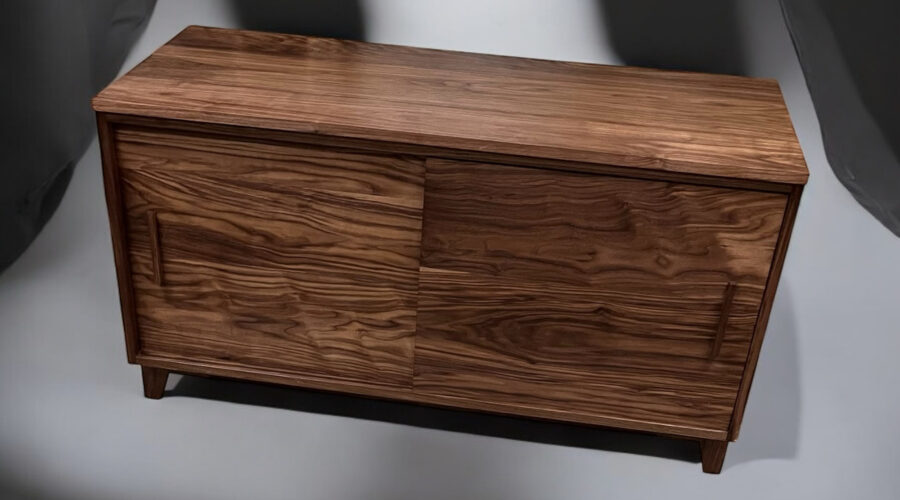
Elevate your living space with this one-of-a-kind handcrafted cabinet—an ode to wood’s natural poetry and functional grace. Designed with versatility in mind, each piece is tailored to your choice of wood species: from the richness of walnut to the earthy charm of reclaimed oak, the possibilities are as diverse as your story. Pricing will vary depending on the wood selected.
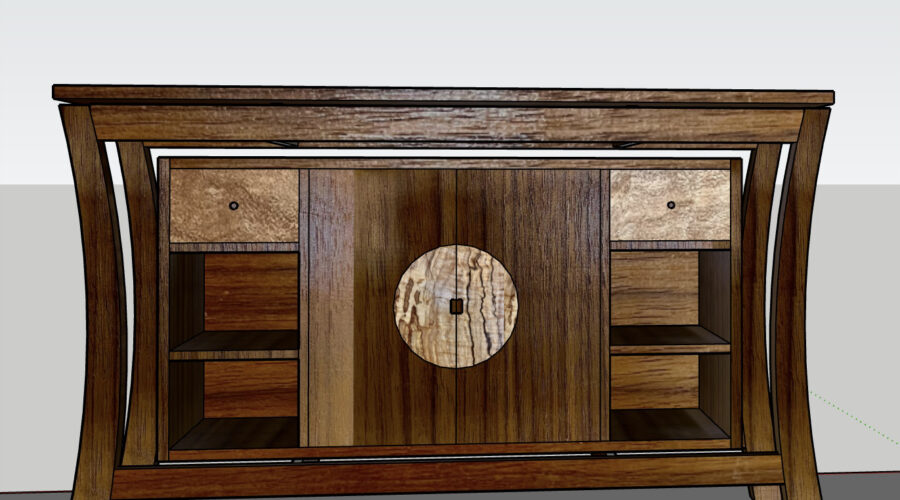
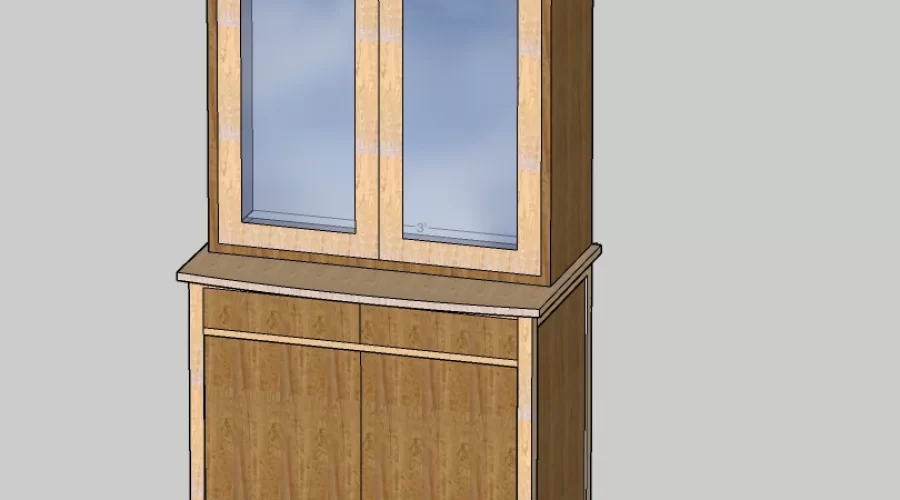
This cabinet’s balanced composition features two top drawers with seamless joinery, perfect for tucking away your finer essentials. At its heart, a rounded centerpiece set into the central door lends rhythm to the geometry—bringing soft contrast to the strong, clean lines that define the outer frame. Open side shelves provide accessible display space, while subtly arched legs lift the form with a quiet elegance.
Artistry meets purpose in every grain, curve, and finish—crafted not only to serve, but to inspire.
In a world of shortcuts and mass production, the soul of true craftsmanship stands out. At Anderson Woodworks LLC, every piece begins not on an assembly line. It starts in a forest. It’s linked to a story and shaped by a pair of hands determined to do it justice.
1. The Selection: Listening to the Wood
We handpick each board, sourcing sustainable and reclaimed wood with rich character. Whether it’s black walnut with bold grain lines or the storied surface of old-growth fir, every slab we choose has something to say—we just help it speak.
2. Inspiration in Imperfection
Design here doesn’t follow trends. It follows nature. A knot might become the centerpiece. A curve in the grain might inspire the edge of a tabletop. Each piece is designed around what the wood already is, not what we want it to be.
3. Craft in Motion
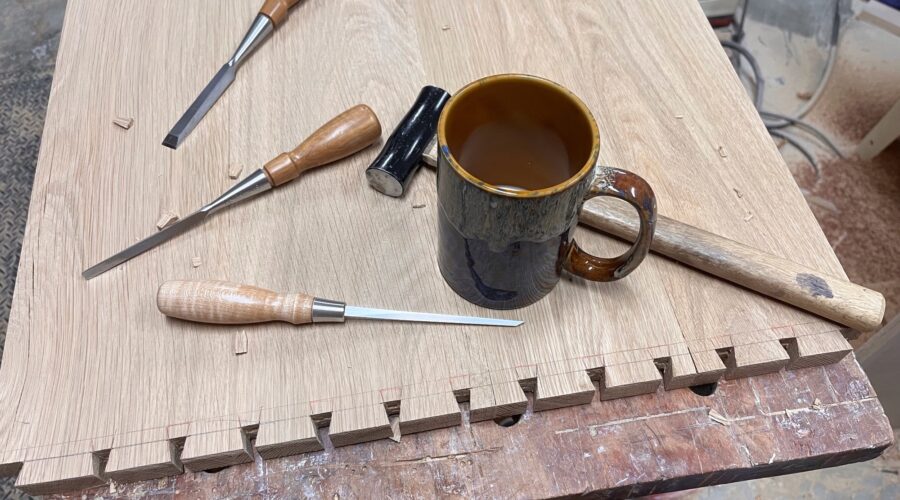
This is where the shop comes to life. The scent of sawdust, the rhythm of hand tools, the care in every pass of the chisel—it all adds up to something deeper than furniture. It becomes a connection between vision, material, and purpose.
4. Finishing with Purpose
We use natural oils and finishes that celebrate the texture and tone of the wood. No synthetic glosses, no shortcuts. Just finishes that let the piece breathe, and let its story shine.
5. Built for Generations
The moment our work arrives in its new home is the moment it becomes more than a table or chair. One client recently told me:
“This isn’t just a table. This is where birthdays will be celebrated, stories shared, and memories made.” That’s the kind of legacy we’re honored to be part of.
✉️ Ready to start your own story?
Looking for a piece that tells your story? Explore our latest handcrafted work or get in touch to create something custom—we’d be honored to build something just for you.
Processing…
Success! You're on the list.
Whoops! There was an error and we couldn't process your subscription. Please reload the page and try again.
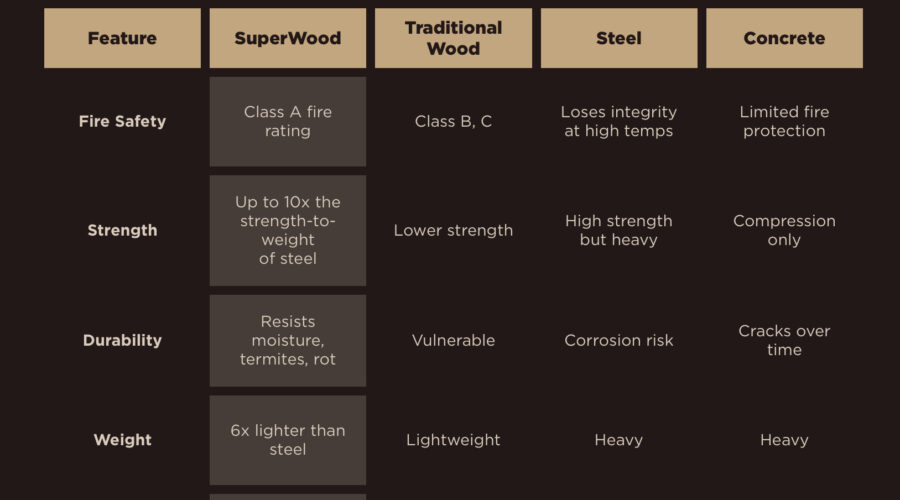
This morning, as I was going about my usual routine, I stumbled upon an article that absolutely fascinated me. It turns out, there’s a company that has developed a type of wood that’s not only lighter than steel, but also twice as strong—and get this, it’s even bulletproof!
Naturally, my curiosity was piqued. I dove deeper and found even more information on YouTube, where I could see this incredible material in action. I also tracked down the official website for the company behind this innovation. (You’ll find the links below if you want to check them out for yourself.)
I’m genuinely intrigued by the potential of this technology and will definitely be keeping an eye out for further developments. Imagine the possibilities—lighter, stronger, and sustainable materials for everything from construction to personal safety!
If you found this as interesting as I did, please like and share this post. And if you haven’t already, don’t forget to sign up for my newsletter to stay updated on more amazing discoveries like this one.
Links:
https://www.inventwood.com/technology
Stay curious! —Brian Anderson
Processing…
Success! You're on the list.
Whoops! There was an error and we couldn't process your subscription. Please reload the page and try again.
When it comes to furnishing your home, the choices can be overwhelming. Among the most important decisions is whether to invest in handcraftedsolid wood furniture or opt for mass-produced, manufactured pieces. While both have their place, the differences in long-lasting value are significant—and worth considering before making your next purchase.
The Craft of Handcrafted Solid Wood Furniture
Handcrafted solid wood furniture is a testament to tradition, skill, and artistry. Each piece is carefully constructed by skilled artisans, often using time-honored techniques passed down through generations. The choice of wood—oak, walnut, cherry, maple, and more—adds a unique character and warmth to every item.
Why does this matter?
Durability: Solid wood is incredibly strong and, when properly cared for, can last for decades or even centuries.
Repairability: Scratches, dents, and wear can be sanded out or refinished, restoring the piece to its original beauty.
Timeless Design:Handcrafted furniture often features classic designs that transcend trends, ensuring it remains stylish for years to come.
Personal Touch: Each item is unique, with subtle variations in grain and finish that mass-produced furniture can’t replicate.
The World of Manufactured Furniture
Manufactured furniture, especially those made from particleboard, MDF, or veneer, is designed for efficiency and affordability. These pieces are often produced in large quantities, making them accessible to a wide range of consumers.
What are the trade-offs?
Affordability: Manufactured furniture is typically less expensive upfront, making it a budget-friendly option.
Variety: There’s a vast range of styles and finishes to choose from, catering to every taste.
Convenience: Flat-pack designs are easy to transport and assemble.
However, the lower price often comes at the cost of longevity. Engineered woods and veneers are more susceptible to water damage, warping, and general wear and tear. Repairs are difficult, and once damaged, these pieces are often discarded rather than restored.
Long-Term Value: An Investment Perspective
When evaluating the long-term value of furniture, it’s important to look beyond the initial price tag.
Handcrafted solid wood furniture can become family heirlooms, passed down through generations. Their value often appreciates over time, especially if crafted by renowned artisans.
Manufactured furniture is more likely to end up in landfills within a few years. This contributes to environmental waste. It also requires frequent replacement.
Sustainability and Environmental Impact
Solid wood furniture, especially when sourced from responsibly managed forests, is a more sustainable choice. Its longevity means fewer resources are consumed over time. Manufactured furniture, on the other hand, often uses glues and chemicals. These substances can off-gas into your home. They are less environmentally friendly.
Conclusion: Quality Over Quantity
Manufactured furniture has its place. This is especially true for those on a tight budget or needing temporary solutions. However, the long-lasting value of this handcrafted solid wood furniture is hard to beat. It’s an investment not just in your home’s aesthetics, but in durability, sustainability, and heritage.
When you choose handcrafted, you’re not just buying furniture. You’re bringing home a piece of art, a slice of history, and a future heirloom.
Don’t forget to like and subscribe for more woodworking inspiration! If you’re interested in bringing a unique Heirloom piece into your home, visit my commission page to learn more about how you can commission Anderson Woodworks. Let’s craft something special for your family!
Processing…
Success! You're on the list.
Whoops! There was an error and we couldn't process your subscription. Please reload the page and try again.
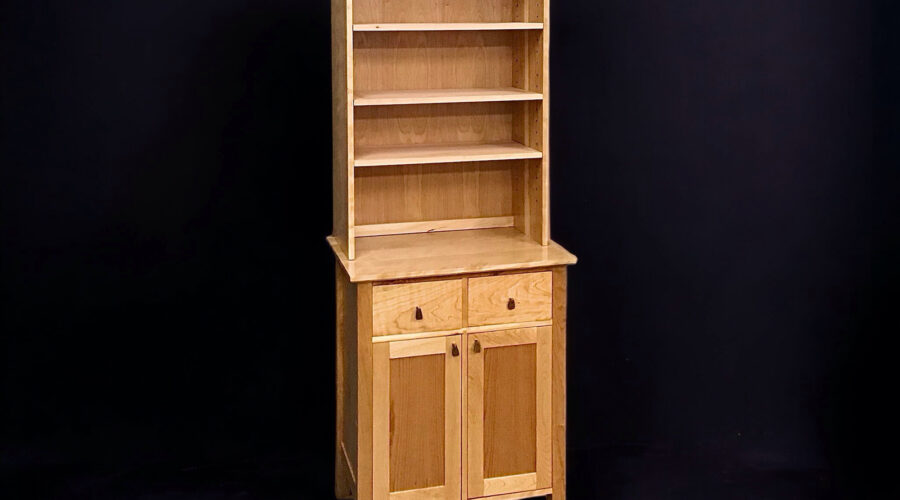
I’m excited to share something new in my store! As you know, I design all my furniture before I build it. Sometimes, certain designs don’t make it into a client’s final choice—for all sorts of reasons. I’ve decided to showcase these unique pieces. They won’t gather dust in a brand new section of my store.
If you see a design you like, you can order it as-is—or make it your own! You have the choice to change each piece with marquetry, simple inlay, or even contrasting woods. Just send me an email if you’d like to make changes or if you’re ready to place an order. I’ll get back to you with pricing details.
Want to stay in the loop? Sign up for my email list! I send out a monthly blog post. In it, I share updates on what I’m working on. I also highlight new designs and behind-the-scenes stories from the workshop.
Thanks for your support and interest in my work!
Processing…
Success! You're on the list.
Whoops! There was an error and we couldn't process your subscription. Please reload the page and try again.
When it comes to furnishing your home, the temptation to go for that affordable, mass-produced piece is real. After all, who doesn’t love a bargain? But while the price tag on a big-box store sofa or table might seem appealing at first glance, the true cost often reveals itself over time. In contrast, investing in quality handcraftedfurniture can actually save you money—and headaches—in the long run. Here’s why:
1. Handcrafted Furniture Lasts for Generations
The most significant advantage of handcrafted furniture is its longevity. Artisans use time-honored techniques, premium materials, and meticulous attention to detail. This means your handcrafted dining table or bookshelf isn’t just a purchase for today—it’s an heirloom that can be passed down for decades. In contrast, mass-produced furniture is often made with cheaper materials like particleboard or veneer, which can warp, chip, or break within a few years.
The result: You may have to replace that “budget” piece every few years, while your handcrafted item keeps looking beautiful year after year.
2. Lower Lifetime Cost
Let’s do the math. Suppose you buy a $300 mass-produced coffee table that lasts five years before it needs replacing. Over 20 years, you’ll spend $1,200 on four tables. Now, imagine investing $900 in a handcrafted table that lasts 20 years or more. Not only do you save $300, but you also avoid the hassle of shopping, delivery, and disposal multiple times.
Quality saves you money by reducing the frequency and cost of replacement.
3. Timeless Design and Customization
Handcrafted furniture is often customizable, meaning you can choose the size, finish, and features that perfectly fit your space and style. These pieces are designed to be timeless, not just trendy. Mass-produced furniture, on the other hand, tends to follow fleeting trends and can quickly look dated, prompting you to redecorate sooner than you’d planned.
A timeless piece means you won’t feel the urge to replace it just to keep up with changing styles.
4. Better Materials = Fewer Repairs
Handcrafted furniture makers typically use solid woods and high-quality hardware, making their products sturdier and more resilient. Mass-produced pieces often cut corners with low-grade materials that are prone to damage. Repairing or reinforcing these cheaper items can add up over time, both in cost and inconvenience.
Investing in quality means fewer repairs and less frustration.
5. Sustainability and Value Retention
Quality furniture is more sustainable. It doesn’t end up in landfills after a few years, and it often retains or even increases in value over time, especially if made by a reputable artisan. If you ever decide to sell, handcrafted pieces are more likely to find a new home—and fetch a good price—than their mass-produced counterparts.
You’re not just buying furniture; you’re making a sustainable investment.
In Conclusion
While the sticker shock of handcrafted furniture can be real, it’s essential to look beyond the initial price tag. The durability, beauty, and value of quality craftsmanship far outweigh the short-lived savings of mass-produced pieces. By investing in handcrafted furniture, you’re not just furnishing your home—you’re making a wise financial decision that pays off for years to come.
I strive to help my clients and the public understand that this is how you create generational wealth. When you invest in pieces that last, you’re not just saving money—you’re building lasting value for your family and future generations.
Choose quality. Your wallet—and your legacy—will thank you.
Take a look around my website maybe it will give you inspiration.
Processing…
Success! You're on the list.
Whoops! There was an error and we couldn't process your subscription. Please reload the page and try again.
As technology continues to shape our lives, furniture designers are finding innovative ways to blend classic forms with modern functionality. The hutch and side table are no exceptions. Imagine a hutch with built-in LED lighting that highlights your favorite collectibles, or shelves with wireless charging pads for your devices. Some contemporary side tables now come equipped with USB ports, Bluetooth speakers, or even mini refrigerators—perfect for the tech-savvy homeowner.
This fusion of tradition and technology ensures that hutches and side tables remain relevant, offering both the warmth of craftsmanship and the convenience of modern living. As smart homes become more common, expect to see even more creative integrations in the years ahead.
Sustainability and the Circular Economy
Another trend shaping the future of furniture is the growing emphasis on sustainability. Many consumers are seeking out pieces made from reclaimed wood, recycled materials, or sustainably harvested timber. The durability and timeless style of hutches and side tables make them ideal candidates for reuse and upcycling, reducing waste and supporting a circular economy.
Some designers are even creating modular hutches and tables that can be easily disassembled, repaired, or repurposed, extending their lifespan and minimizing environmental impact. This approach not only benefits the planet but also allows for greater personalization and adaptability as needs change.
Customization and Personal Expression
The future of hutches and side tables is also about self-expression. Advances in digital fabrication—from CNC routers to 3D printing—allow for unprecedented customization. Homeowners can now commission pieces tailored to their exact specifications, choosing everything from the wood species and finish to the hardware and proportions.
This democratization of design means that hutches and side tables will continue to evolve, reflecting the unique personalities and lifestyles of those who use them. Whether you prefer a minimalist Scandinavian look, a rustic farmhouse vibe, or a bold, contemporary statement, there’s a hutch or side table out there for you.
Chapter 10: Design Inspiration—Choosing the Right Hutch or Side Table
Assess Your Space and Needs
Before selecting a hutch or side table, take stock of your space and how you plan to use the piece. Are you looking for extra storage in the dining room, a display case for your collectibles, or a compact table for your reading nook? Measure your available space carefully and consider traffic flow to ensure your new furniture fits seamlessly into your home.
Consider Style and Materials
Think about the overall style of your home and choose a piece that complements your existing decor. For a traditional look, opt for a solid wood hutch with classic detailing or a Chippendale-style side table. For something more modern, consider a sleek, minimalist design in walnut, glass, or metal.
Don’t be afraid to mix and match styles—an antique hutch can add character to a contemporary space, while a modern side table can provide a fresh contrast in a room full of vintage finds.
Functionality and Features
Look for features that enhance usability. Adjustable shelves, drawers, and cabinets can maximize storage and organization. For side tables, consider whether you need built-in charging, extra shelving, or a design that can double as a stool or plant stand.
Quality and Craftsmanship
Personal Touches
Finally, make your hutch or side table your own. Style your hutch with a mix of practical and decorative items—favorite dishes, family photos, fresh flowers, or a collection of cookbooks. Use your side table to display a lamp, a stack of books, or a cherished memento. These personal touches turn functional furniture into meaningful parts of your home.
Chapter 11: Hutches and Side Tables—A Timeless Legacy
Why We Still Love Them
So, what is it about hutches and side tables that has allowed them to endure for centuries? Perhaps it’s their versatility—these pieces can adapt to any room, any style, and any need. Perhaps it’s their ability to blend beauty and function, offering both practical storage and a canvas for self-expression. Or maybe it’s the sense of continuity they provide, connecting us to generations past and to the craftspeople who shaped them.
In a world that often feels fast-paced and disposable, hutches and side tables remind us of the value of things made to last. They are witnesses to family gatherings, quiet evenings, and everyday moments. They hold our stories as surely as they hold our possessions.
Conclusion
From medieval chests and Renaissance display cabinets to Victorian showpieces and modern marvels, the history of hutches and side tables is a testament to human ingenuity and creativity. These pieces have evolved alongside us, reflecting our changing needs, tastes, and technologies. Yet, at their core, they remain what they have always been: essential, adaptable, and beloved parts of our homes.
Whether you inherit a centuries-old Welsh dresser, discover a mid-century side table at a flea market, or commission a custom piece for your contemporary loft, you are participating in a rich tradition that spans cultures and generations. Hutches and side tables are more than just furniture—they are keepers of memories, symbols of hospitality, and expressions of who we are.
Invest in quality whenever possible. Well-made hutches and side tables are built to last, with sturdy joinery, smooth finishes, and attention to detail. If you’re buying vintage or antique, inspect for signs of damage or poor repairs. For new pieces, choose reputable makers who prioritize sustainable materials and ethical practices.
What’s your story? Do you have a favorite hutch or side table that’s been in your family for years, or a new piece that brings you joy every day? Share your stories and photos in the comments below! And if you’re inspired to add a new (or old) hutch or side table to your home, remember: choose with your heart, care for it well, and let it become a part of your own history. If you want to start your family’s story and commission me to create your pice visit my Commissions page
**Thank you for joining me on this journey through the history of hutches and side tables. For more design inspiration, furniture history, and tips for creating a home you love, subscribe to the blog and follow along on social media! Please visit ore of my website
Processing…
Success! You're on the list.
Whoops! There was an error and we couldn't process your subscription. Please reload the page and try again.