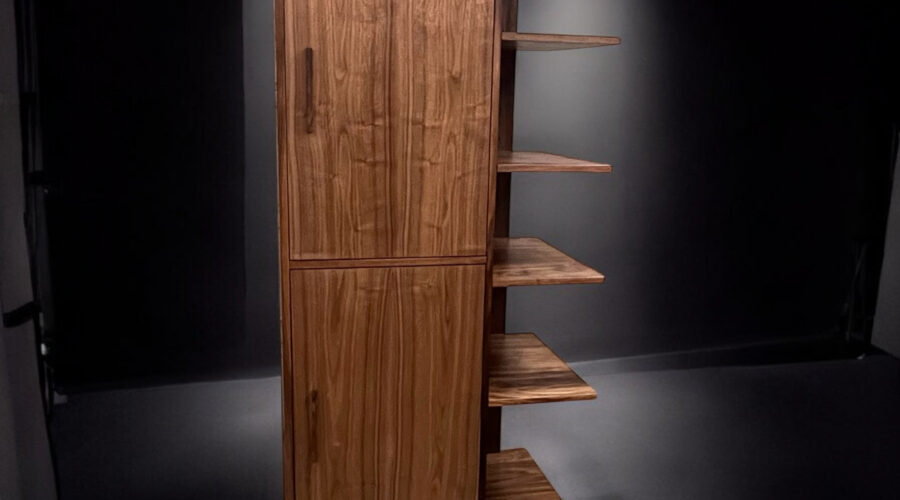
Chapter 5: Hutches and Side Tables in Contemporary Homes
Versatility in the Modern Er

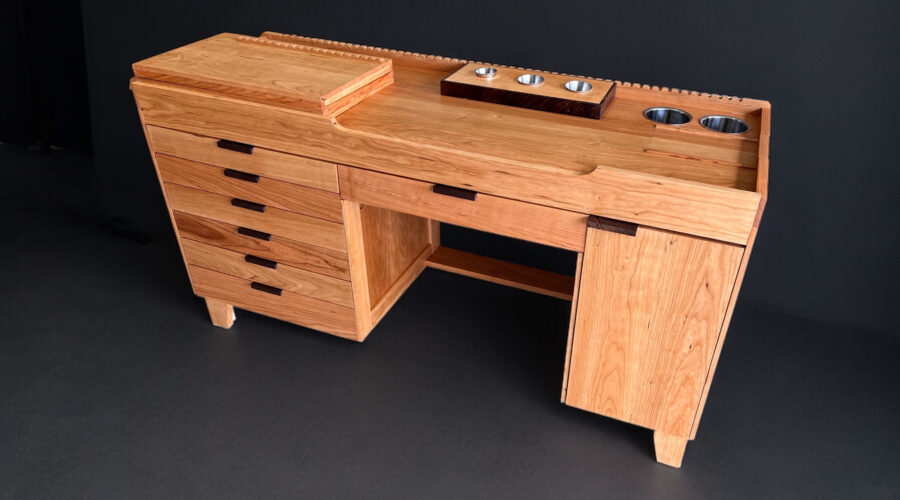
In the 21st century, hutches and side tables have proven their staying power by adapting to the ever-evolving needs of modern households. No longer confined to the dining room or living room, these pieces have found new roles in home offices, bedrooms, entryways, and even bathrooms.
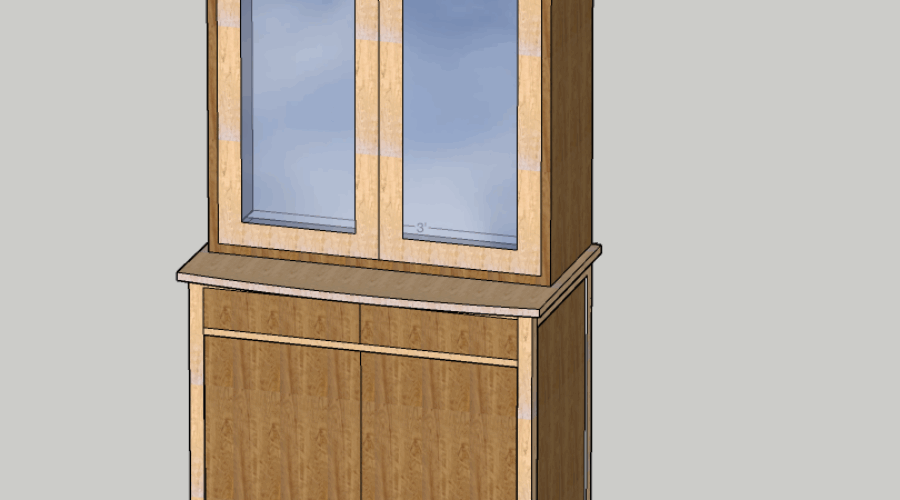
The modern hutch is a chameleon. In a farmhouse kitchen, it might serve as a pantry, storing dry goods and displaying pottery. In a home office, it transforms into a bookshelf or a storage unit for office supplies. In open-plan living spaces, hutches can act as subtle room dividers, providing both function and visual interest.
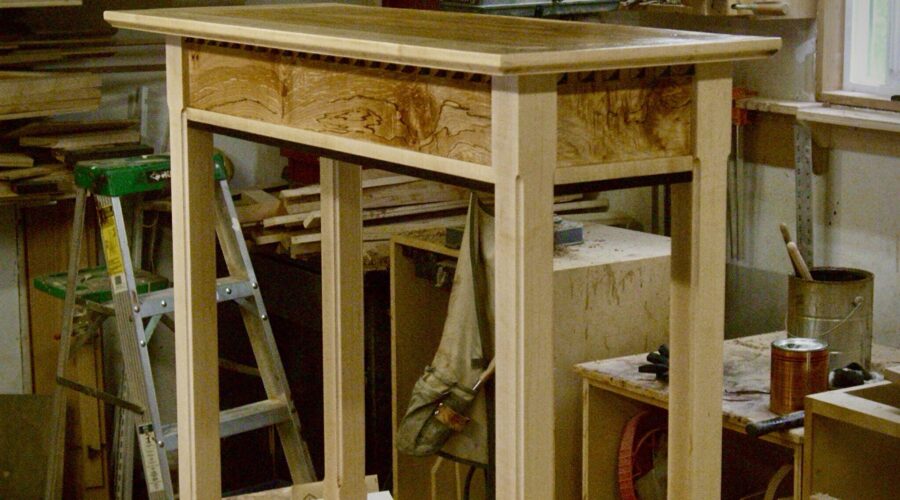
Side tables have likewise multiplied in form and function. The classic end table next to a sofa remains popular, but now we see C-shaped tables that slide over the arm of a chair, nesting tables that can be stacked or spread out for entertaining, and compact tables with built-in USB ports and wireless charging pads. The side table’s small footprint and mobility make it indispensable in apartments and tiny homes, where every inch counts.
Personalization and DIY Culture
One of the hallmarks of contemporary design is personalization. Homeowners are increasingly seeking pieces that reflect their tastes, values, and lifestyles. This has led to a resurgence in DIY and upcycling, as people refinish vintage hutches or repurpose old side tables into something new and unique.
Social media platforms like Pinterest and Instagram are brimming with creative projects: a mid-century side table painted in bold colors, a hutch converted into a coffee bar, or a set of mismatched tables unified with a coat of chalk paint. This DIY spirit not only breathes new life into old furniture but also fosters a deeper connection between people and the objects in their homes.
Sustainability and Ethical Choices
As awareness of environmental issues grows, many consumers are turning to sustainable and ethical furniture choices. Vintage hutches and side tables are being rescued from thrift stores and flea markets, their solid wood construction and timeless design making them a green alternative to fast furniture.
Many contemporary furniture makers now prioritize eco-friendly materials, low-VOC finishes, and responsible sourcing. Some even offer modular hutches and side tables that can be disassembled and recycled at the end of their lifecycle. This shift reflects a broader cultural movement toward mindful consumption and the enduring value of well-made furniture.
Chapter 6: Iconic Designs and Cultural Significance
Famous Hutches Through History
The Welsh Dresser:
Perhaps the most iconic hutch is the Welsh dresser, a staple of rural homes in Wales and England since the 17th century. Traditionally made of oak or pine, the dresser features open shelves for displaying plates, cups, and jugs, with cupboards or drawers below for storage. The Welsh dresser is more than just a piece of furniture; it’s a symbol of hospitality and family heritage, often passed down through generations.
The Hoosier Cabinet:
In early 20th-century America, the Hoosier cabinet revolutionized kitchen organization. Manufactured primarily in Indiana (the “Hoosier State”), these cabinets combined storage, workspace, and built-in accessories like flour sifters, spice racks, and pull-out bins. The Hoosier became a must-have for efficient homemakers and is now a sought-after collectible.
The Colonial Hutch:
In New England and the American colonies, hutches were often built-in or crafted by local carpenters. These pieces were simpler than their European counterparts, reflecting the practical needs and resourcefulness of early settlers. Today, antique colonial hutches are prized for their rustic charm and historical significance.
Notable Side Tables
Chippendale Side Table:
Named after the renowned 18th-century English cabinetmaker Thomas Chippendale, these tables are distinguished by their elegant cabriole legs, ball-and-claw feet, and intricate carving. Chippendale side tables exemplify the height of Georgian craftsmanship and remain highly collectible.
Noguchi Table:
Designed by Japanese-American sculptor Isamu Noguchi in 1947, the Noguchi table is a masterpiece of mid-century modern design. Its sculptural base and freeform glass top blur the line between furniture and art, making it a favorite among design enthusiasts.
Scandinavian Nesting Tables:
Scandinavian designers like Hans Wegner and Alvar Aalto popularized the concept of nesting tables in the mid-20th century. These sets of graduated tables can be used together or separately, offering flexibility and understated elegance.
Chapter 7: Hutches and Side Tables Around the World
Asian Influences
In China, the “altar table” and “cabinet” have been central to domestic interiors for centuries. Chinese cabinets, often made of elm or rosewood, feature brass hardware and intricate joinery. The Japanese “tansu” chest, with its modular design and sliding doors, has influenced Western furniture since the 19th century. These pieces are celebrated for their simplicity, functionality, and attention to detail.
French and Italian Elegance
French hutches, such as the “vaisselier” and “buffet,” are known for their graceful curves, ornate carvings, and painted finishes. In Italy, side tables called “guéridons” were popular in the 18th and 19th centuries, often featuring marble tops and gilded accents. These European designs have inspired countless reproductions and continue to influence contemporary furniture makers.
Scandinavian Simplicity
Scandinavian furniture, with its emphasis on clean lines, natural materials, and functionality, has had a profound impact on global design. Danish modern side tables and Swedish hutches are celebrated for their minimalist beauty and practicality, making them a favorite among those who value both form and function.
Chapter 8: Collecting and Caring for Hutches and Side Tables
The Allure of Antiques
For collectors, antique hutches and side tables offer a tangible connection to the past. Each piece tells a story—of the craftsman who built it, the family who used it, and the era in which it was made. Whether it’s a Welsh dresser with centuries of patina or a mid-century side table with iconic lines, these pieces are cherished for their character and history.
Tips for Collecting
- Research: Learn about different styles, makers, and periods to identify authentic pieces and spot reproductions.
- Condition: Look for solid construction, original hardware, and minimal repairs. Some wear is expected, but major alterations can affect value.
- Provenance: Pieces with documented history or family stories are especially prized.
- Restoration: If restoring, aim to preserve as much of the original material as possible. Avoid over-sanding or using harsh chemicals.
Caring for Your Furniture
- Cleaning: Dust regularly with a soft cloth. For deeper cleaning, use a mild wood cleaner or a mixture of water and vinegar.
- Protection: Keep furniture out of direct sunlight to prevent fading. Use coasters and placemats to protect surfaces from spills and scratches.
- Maintenance: Tighten loose screws and joints, and apply furniture wax or oil as needed to keep wood nourished.
Please like and share and don’t forget to take a look at my work . Maybe support me and start a commission for your home.
This is the link to the final post of this series https://andersonwoodwork.net/2025/06/13/the-history-of-hutches-and-side-tables-from-humble-beginnings-to-modern-marvels-part-three/