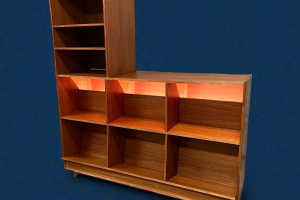

A built-in can either make a room feel inevitable or make it feel smaller, heavier, and more expensive than it needed to be. The difference is rarely the paint color or hardware alone. Knowing how to choose custom millwork begins with treating it as part of the room’s architecture and daily use, not as a decorative layer applied after the real decisions are made.
Custom millwork is a commitment. It affects circulation, storage, light, acoustics, sightlines, and the way furniture sits within a room. Done well, it gives a home a sense of order that freestanding pieces cannot always provide. Done poorly, it locks in compromises for years.
Start With the Room, Not the Cabinet
The most common mistake is beginning with a reference image. A photograph may show handsome cabinetry, but it cannot tell you whether that wall needs closed storage, display space, a writing surface, or simply visual quiet. It cannot show how a family moves through the room, where the doors swing, or what needs to be reached every day.
Start by defining the work the millwork must do. In a home office, that might mean organizing files, concealing equipment, supporting focused work, and giving the room a more settled presence. In a dining room, it may mean storing serving pieces and linens while creating a strong backdrop for a table. An entry may need a place for bags, shoes, coats, mail, and the small disorder of arriving home.
Be precise about what must be accessible, what can be hidden, and what deserves to be seen. The answer should determine the cabinet configuration. Open shelves are useful for books and objects that are genuinely part of your life. They are not automatically better because they look lighter in a photograph. Deep drawers may serve you far better than a bank of shallow cabinets, particularly where linens, media, office supplies, or serving ware are concerned.
This is not decorating. It is planning a permanent piece of the room around the life that happens in it.
How to Choose Custom Millwork by Function
Before discussing species, finish, or door profiles, establish a clear functional brief. A good maker or designer will ask questions that may seem ordinary but are foundational: What lives here? Who uses it? What does the room need to feel like when it is put away? Which frustrations are you trying to eliminate?
Measure the actual contents, not just the wall. Record the height of binders, the depth of platters, the dimensions of a printer, and the volume of items that need concealed storage. Consider future use as well. A built-in for a young family may later need to support a different rhythm of work, hobbies, or entertaining.
Function also includes maintenance. A pale, open-grained wood finish may be appropriate in a quiet study but require more acceptance of wear in a busy entry. A painted finish can create visual restraint and allow the architecture to recede, while a figured hardwood can become the room’s central material statement. Neither is inherently superior. The right choice depends on use, light, and the role the piece should play.
Judge Proportion Before Style
Custom millwork should belong to the architecture, even when the architecture itself is modest. That requires disciplined attention to scale. Cabinet depth, shelf thickness, toe-kick height, door width, crown detail, and the relationship between vertical and horizontal lines all influence whether a piece feels composed.
A wall of cabinetry that is too deep can crowd a room. One that is too shallow may look insubstantial or fail to hold what it was built to store. Tall cabinets can add presence, but they can also overwhelm low ceilings or turn a smaller room into a corridor. The answer is not a universal dimension. It is proportion in context.
Pay close attention to what surrounds the millwork. Window trim, baseboards, ceiling height, fireplaces, radiators, existing doors, and adjacent furniture all matter. A built-in should not compete blindly with these elements. It should either align with them, intentionally contrast with them, or resolve an awkward condition with confidence.
This is why furniture-led planning matters. A dining room built-in should be considered with the dining table and chairs in place, even if those pieces have not yet been purchased. The distance behind chairs, the visual weight of the table, and the room’s primary sightline will influence the appropriate depth and expression of the cabinetry.
Choose Materials for Use and Character
The word “custom” does not automatically mean the same construction quality, wood selection, or finish standard from one shop to another. Ask what materials will be used where and why.
For painted cabinetry, a stable engineered panel product may be the correct choice for broad, flat surfaces because it resists movement and provides a consistent finish. For visible doors, face frames, trim, and furniture-like elements, solid wood may offer the warmth, durability, and edge detail the design requires. Veneered panels can also be an excellent choice when carefully specified, allowing continuous grain across larger surfaces while maintaining stability.
The question is not whether every component is solid wood. That is too simplistic. Wood moves with seasonal humidity. A knowledgeable maker selects materials according to their role, accounts for movement in the construction, and does not use impressive-sounding materials where they will perform poorly.
Ask to see finish samples in your home. Pacific Northwest light changes dramatically through the year and across the day. A walnut that reads rich and grounded in a shop can appear nearly black in a north-facing room. White oak can range from calm and pale to distinctly golden depending on the finish. Samples should be viewed near the existing floors, wall colors, and upholstery that will remain.
Look Past the Door Front
A handsome elevation drawing is useful, but it does not reveal how a piece is built. Construction is where custom millwork earns its cost.
Ask how cabinets are joined, how drawers are made, how shelves are supported, and how large panels are allowed to expand and contract. Look for durable drawer construction, properly engineered cabinet boxes, adjustable where appropriate, and thoughtful hardware selection. Soft-close hardware is expected at this level, but it is not a substitute for sound construction.
Also ask how the piece will meet the wall, floor, and ceiling. Older homes are rarely square. Floors slope, walls bow, and ceilings drift. A custom installation should account for these realities with scribing, fillers, and deliberate transitions rather than forcing rigid boxes into irregular conditions and hoping caulk will conceal the result.
The best millwork is often quiet about its complexity. Doors align. Reveals stay consistent. Grain patterns feel intentional. A drawer opens without a fight. These details are not cosmetic. They are evidence of care in design, fabrication, and installation.
Choose a Partner, Not Just a Price
Comparing bids is necessary, but comparing bottom-line numbers without comparing scope is misleading. One proposal may include site measurement, design development, finish samples, installation, lighting coordination, and detailed interior fittings. Another may describe only a cabinet size and a material. They are not equivalent projects.
A serious proposal should clarify what is included, what is excluded, the anticipated material and finish, installation conditions, payment schedule, and timeline. It should also explain how changes are handled once design or fabrication has begun. Custom work has decisions that cannot be postponed indefinitely. A clear process protects both the client and the maker.
Look for someone who can explain why they recommend a particular depth, material, or construction approach. You are not hiring a person to agree with every initial idea. You are hiring judgment. If a requested feature will compromise proportion, durability, or use, the right professional should say so and offer a better path.
At Anderson Woodworks, that conversation begins with the room and the furniture that will define it. The goal is not to fill a wall. It is to give the room a lasting center of gravity.
Set a Budget That Protects the Right Things
Custom millwork costs more than ready-made furniture because it includes design time, material selection, fabrication, finishing, transport, installation, and the skill required to resolve site-specific conditions. Budgets vary widely based on scale, complexity, wood species, finish, hardware, lighting, and installation access.
When a budget must be refined, protect the elements that affect long-term performance first: proportion, cabinet construction, drawer function, installation quality, and finish preparation. Simplify ornament before simplifying the structure. A clean, well-built cabinet with restrained detail will age better than an elaborate piece built around shortcuts.
It may also make sense to phase a project. Establish the full-room plan first, then build the most important elements in a logical order. This avoids the familiar problem of purchasing one isolated solution at a time and discovering later that nothing relates.
The strongest custom millwork does not demand attention every time you enter the room. It gives the room a sense of calm, holds the life you actually live, and remains convincing after the passing preferences have changed.
Discover more from Anderson woodworks custom furniture & cabinets
Subscribe to get the latest posts sent to your email.