The problem with most conversations about fine woodfurniture brands is that they start with reputation and end with styling. That is backwards. If you are furnishing a dining room, study, entry, or home office for long-term use, the real question is not which name is most recognizable. It is whether the maker understands wood movement, proportion, joinery, and how a piece will live in your home for the next twenty years.
This is where many buyers get stuck. A brand may photograph well, market itself as heirloom quality, and still produce work that is generic in structure, awkward in scale, or dependent on design trends that will date the room faster than the wood will age. Fine furniture is not a logo category. It is a standard of thought, material discipline, and execution.
What Fine Wood Furniture Brands Actually Signal
At their best, fine wood furniture brands represent consistency. They tell you that a maker has a point of view, a construction standard, and a repeatable level of quality. That matters, especially if you are trying to furnish more than one room or build a home that feels coherent instead of pieced together.
But a brand name alone does not guarantee excellence. Some companies are strong at finishes and weak at proportions. Some produce respectable casework but rely on simplified joinery in high-stress areas. Some position themselves as premium because they use walnut or white oak, when the real issue is whether the parts are properly selected, milled, and assembled.
A serious buyer looks past the surface story. Wood species matter, but not in isolation. A beautiful board can be turned into forgettable furniture. The opposite is also true – disciplined design and expert fabrication can make even quiet materials feel exceptional.
How to Judge Fine Wood Furniture Brands Beyond Marketing
If you want furniture that earns its place in the room, start by asking how the piece is made, not just how it looks in a staged interior.
Construction comes first
Joinery is not a romantic detail. It is the structural logic of the piece. Drawers should move cleanly and feel stable under load. Table bases should resist racking. Doors should hang true. Panels should be detailed with enough intelligence to allow for seasonal movement. If a brand does not explain how it builds, that omission tells you something.
This does not mean every good piece must be built with the same traditional methods in every location. It depends on the furniture type, expected use, and design intent. A well-designed built-to-order line may use efficient construction in noncritical areas while reserving more demanding methods for structural points that matter. That can be a smart decision. The issue is whether the choices are deliberate or merely inexpensive.
Material selection should match the purpose
Brands often advertise hardwood as if that alone proves quality. It does not. The better question is whether the wood was chosen appropriately for scale, durability, grain behavior, and visual character.
A large dining table in solid wood needs a different level of planning than a small side table. A built-in desk wall has different demands than a freestanding collector piece. Fine furniture makers understand when solid stock is the right answer, when veneer is the superior technical choice, and how to use each honestly. Veneer is not inherently lesser. Cheap veneer is the problem. Properly specified veneer over a stable substrate can be exactly right for certain panels and large surfaces.
Proportion separates real design from expensive inventory
This is where many premium brands fail. They offer good materials and competent fabrication, but the furniture still feels off once it enters a real room. Case pieces are too deep for circulation. Dining tables dominate the space but do not improve it. Desks are scaled for a catalog page rather than a working adult.
Proportion is not decoration. It determines how furniture supports movement, sightlines, storage, and comfort. A strong brand understands furniture in relation to architecture. A stronger one understands it in relation to your architecture.
Fine Wood Furniture Brands vs Custom Work
There is no single correct answer here. Sometimes a respected brand is exactly the right fit. If a company has a clear design language, reliable construction, and sizes that suit your home, buying from a refined production or built-to-order line can be efficient and sensible.
But there are limits. Brands operate within fixed dimensions, preset finishes, and standardized assumptions about how a room works. That becomes a problem when the room has unusual scale, when storage needs are specific, or when you are trying to create a space that feels resolved rather than merely furnished.
Custom work becomes valuable when furniture needs to lead the room instead of filling it. That is especially true in studies, dining rooms, entry areas, and home offices where function and proportion matter as much as visual impact. A table may determine circulation. A wall of cabinets may establish the architecture the room lacks. A built-in bench may solve both storage and layout. In those cases, choosing between fine wood furniture brands is only part of the equation. You may need a design-and-build process rather than a product search.
Signs a Brand Is Built for Longevity
Look for restraint. The best furniture brands do not need exaggerated details to prove value. Their confidence shows up in line, massing, material honesty, and precision.
Look for finish quality that respects the wood rather than burying it. A good finish protects, evens out the surface, and lets the material retain depth. An overbuilt finish can make wood feel plastic. An underbuilt one can leave the piece vulnerable to normal life.
Look at the back, underside, interior, and drawer bottoms. These areas reveal whether care extends beyond the showroom view. Fine furniture should hold its standard where you do not immediately see it.
Also look at how a company talks about use. Serious makers discuss wear, maintenance, serviceability, and repair. That is a strong signal. Furniture built for real homes should be able to age with dignity, not panic at the first mark.
Where Buyers Often Misread Value
Price is an unreliable shortcut. Some brands are expensive because they are genuinely exacting. Others are expensive because their positioning is polished. You have to separate cost from value.
Value in fine furniture comes from a mix of factors: design intelligence, structural quality, material integrity, and how well the piece solves the room. A cheaper piece that must be replaced in seven years is not economical. Neither is a very expensive piece that fights the architecture, overwhelms circulation, or fails to support daily use.
This is why trend-led buying is usually the most expensive path. Trend furniture ages badly because it was designed for visual novelty, not permanence. If you want a room that improves over time, choose pieces with disciplined forms, useful dimensions, and material character that does not depend on whatever is circulating online this year.
A Better Way to Compare Fine Wood Furniture Brands
Do not start by asking which brand is best. Start by asking what the room needs to do and what role the furniture must play.
If you are selecting a dining table, think about seating count, circulation, light fixture alignment, and how the table base affects leg room. If you are choosing a desk, consider cable management, writing depth, storage needs, and whether the desk should command the room or sit quietly within it. If you are furnishing an entry, think beyond a console table and consider what must happen there every day – keys, bags, mail, shoes, landing space, and visual order.
Once those requirements are clear, brands become easier to judge. The right one will offer more than a style you like. It will offer furniture that fits the room, supports your routines, and holds up materially. If no brand can do that cleanly, custom is not indulgence. It is the more disciplined solution.
For homeowners who want spaces to feel intentional, this is the standard. Not trend, not status, not quick visual impact. Just furniture that is designed properly, built honestly, and scaled to the life happening around it. That is what separates a purchase from a lasting room – and it is the reason the best choices are rarely the loudest ones.
A dining table tells on itself within a year. If the proportions are wrong, the room feels strained every time you walk through it. If the wood selection was careless, the surface moves badly and the finish starts to fight daily use. If the construction was weak, joints loosen, edges bruise, and the piece becomes one more compromise in a house full of them. That is why artisanfine furniture matters. It is not a label for something expensive. It is a standard for how a piece is conceived, built, and expected to live over time.
Most people have been trained to read furniture through style first. They notice whether something feels modern, traditional, rustic, or minimal. Style has its place, but it is rarely the reason a piece succeeds. Furniture succeeds when proportion, use, materials, and construction are aligned. That alignment is where real craftsmanship begins, and it is also where mass-market furniture usually falls apart.
Artisan fine furniture is not just handmade
“Handmade” has become a loose term. A piece can be assembled by hand and still be poorly designed, mechanically weak, or visually clumsy. Artisan fine furniture is more exacting than that.
It begins with intention. The maker is not starting with a trend forecast or a catalog silhouette that needs a few cosmetic changes. The work starts with use, scale, and permanence. How should the piece function in the room? How should it relate to architecture, circulation, light, and the daily habits of the people living with it? What wood species is appropriate, not just attractive? Which joinery methods make sense for the stresses the piece will actually take?
This is not decorating. It is design resolved through craft.
That distinction matters because homeowners often spend heavily on rooms that still feel unsettled. They buy furniture after the fact, treating it as a finishing touch rather than a foundational decision. The result is familiar – a home office that looks polished in photos but does not support focused work, an entry that collects clutter because nothing was built for the way the household moves, or a dining room centered around a table that is either too small for the room or too large for comfortable use.
Fine furniture should correct a room, not simply occupy it.
What separates artisan fine furniture from luxury retail
Price alone does not place a piece in the fine furniture category. There is high-priced furniture that relies on veneer-thin design logic, weak joinery, and inflated branding. There is also modestly scaled custom work that is rigorous, well made, and deeply considered.
The difference usually shows up in a few places.
First, proportion. Skilled furniture makers understand visual weight, negative space, leg placement, top thickness, overhangs, drawer reveals, and how those decisions affect the room as a whole. A piece can be built from excellent walnut and still look unresolved if the proportions are off. Good makers do not rely on premium materials to hide poor judgment.
Second, construction. Joinery is not an old-world affectation. It is the structural language of the piece. How components meet determines strength, movement, repairability, and longevity. You may never see the joinery once the piece is complete, but you will live with its consequences.
Third, material honesty. Real wood has variation, movement, and character. It asks for respect. Artisan work accounts for this rather than trying to force timber into behaving like plastic. That means appropriate species selection, grain orientation, moisture awareness, and finish choices that suit actual use.
Fourth, relevance to the client. A well-made piece that ignores the home and the people in it is still incomplete. Fine furniture should answer real conditions. It should solve for storage where clutter accumulates, create a working height that fits the user, support traffic flow, and hold its own architecturally.
Why furniture should lead the room
In many residential projects, furniture is treated as the last decision. Walls are painted, lighting is installed, rugs are chosen, and then the furniture hunt begins. That sequence creates disconnected rooms because the element with the greatest physical and visual presence was never allowed to set the terms.
A stronger approach is to let the key furniture piece establish the room. In a study, that might be the desk and library storage. In a dining room, it is the table. In an entry, it may be a built-in bench, case piece, or wall system that controls how the space functions from the moment someone walks in.
When furniture leads, better decisions follow. Circulation becomes clearer. Material choices become more coherent. Lighting can be placed with purpose. The room stops feeling assembled from separate purchases and starts reading as a complete environment.
This is where custom work earns its value. Not every room requires a one-of-a-kind statement piece, and not every client needs the same level of design intervention. But when a room has specific demands, unusual dimensions, or a job to do beyond looking acceptable, standard furniture often becomes an obstacle. A custom piece can solve constraints cleanly because it was designed for that exact context.
The trade-offs are real
Artisan fine furniture is not the right answer for every purchase. That should be said plainly.
It requires time. Good work is not rushed without consequence. It also requires commitment, because the process asks the homeowner to make more deliberate decisions about use, dimensions, wood species, finish, and overall direction. If someone wants instant delivery and a low-stakes decision, custom furniture is probably the wrong lane.
There is also a budget trade-off. Fine furniture costs more upfront because skilled labor, quality materials, and thoughtful design are expensive in the honest sense of the word. But the comparison should be fair. The relevant question is not whether custom costs more than a disposable retail piece. It is whether paying once for a well-resolved, long-term piece is the stronger decision than replacing a compromised one every few years.
Sometimes the answer is yes immediately. Sometimes the answer is not yet, and that is fine too. The point is clarity.
How to judge artisan fine furniture before you buy
Homeowners do not need to become woodworkers to make better decisions, but they should know what to ask.
Start with the design logic. Ask why the dimensions are what they are. Ask how the piece relates to the room, what problem it is solving, and how the details support use. Vague answers are a warning sign.
Then ask about construction. You are listening for specificity, not jargon. A serious maker should be able to explain material choices, joinery, wood movement, and finish strategy in plain language. If the discussion centers only on appearance, you are not hearing the whole story.
Pay attention to whether the maker is willing to challenge weak ideas. A good craft-led designer does not say yes to everything. If a requested proportion will look wrong, if a species is unsuitable for the application, or if a layout decision will undermine the room, the right response is guidance, not compliance.
That is part of the value. You are not hiring hands alone. You are hiring judgment.
Artisan fine furniture in real residential spaces
The best pieces tend to be the ones that absorb daily life without losing their authority. A desk should support concentration, cable management, storage, and body position without turning into office equipment. A dining table should hold the room whether two people are having coffee or ten people are seated for a holiday meal. Built-ins should make a house easier to live in, not just more styled.
This is especially true in rooms where generic furniture consistently underperforms – studies, dining rooms, entry areas, and libraries among them. These spaces ask for precision. They need furniture that fits architecture, supports habits, and contributes something more lasting than visual filler.
That is the standard Anderson Woodworks works from. The goal is not to make a room look custom in the superficial sense. The goal is to create furniture and interiors with structure, conviction, and staying power.
Why this standard still matters
A house becomes meaningful through repeated use. Meals, work, reading, conversation, arrival, departure – these patterns are shaped by the objects that hold them. When furniture is chosen casually, daily life absorbs that carelessness. When furniture is made with discipline, the room settles. It works harder. It asks less of you.
Artisan fine furniture is valuable because it brings intention back to the home. Not trend, not noise, not short-lived novelty. Just clear decisions, sound materials, and craftsmanship that respects how people actually live.
If a room in your home has never felt quite right, the answer may not be more decoration. It may be one piece, properly designed, that finally gives the space its center.
A room usually tells you what is wrong before it tells you what is missing. The traffic pattern is awkward. Storage never lands where you need it. The scale of the pieces fights the architecture. This is where fine handcrafted furniture matters. Not as decoration layered on at the end, but as the element that sets proportion, use, and character from the beginning.
Too much residential design still starts with surfaces and trends. A paint color is chosen, a few inspiration images are saved, and furniture is treated as something to shop for later. That approach almost always creates compromise. When the furniture is generic, the room has to bend around it. When the furniture is purpose-built, the room begins to make sense.
Fine handcrafted furniture is not just a luxury purchase
The phrase gets used loosely, which is part of the problem. Fine handcrafted furniture is not simply furniture made by hand, and it is not valuable only because it is expensive or visually impressive. It earns its place through discipline. That means sound joinery, well-resolved proportions, appropriate material selection, and a clear understanding of how the piece will be used every day.
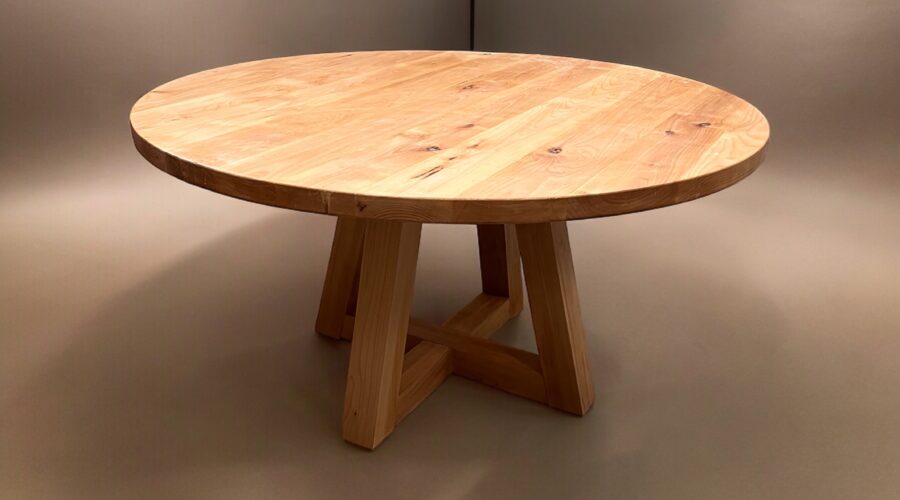
A well-made dining table, for example, is not successful because it has figured wood or a fashionable silhouette. It is successful because the overhang is correct, the leg placement supports both structure and seating, the top thickness feels intentional, and the finish suits the realities of family use. The best pieces solve practical demands without looking overworked.
That distinction matters for homeowners who are tired of replacing furniture, adjusting layouts to fit ill-sized pieces, or living with rooms that never feel settled. Fine furniture should not create friction. It should remove it.
Why fine handcrafted furniture changes the entire room
Furniture is often treated as a movable object, separate from interior design. In a well-composed home, that separation does not hold. A desk determines where task lighting belongs, how circulation flows, and what kind of storage is actually needed. A built-in bench changes sightlines, seating patterns, and wall composition. A sideboard can anchor a dining room more decisively than any rug or light fixture.
This is not decorating. It is planning the room around its real center of gravity.
When furniture is designed with the room, rather than dropped into it afterward, several things improve at once. Scale becomes more coherent. Storage works harder. Materials relate to one another instead of competing. Even restraint becomes easier, because the room no longer needs excess styling to feel complete.
That is one reason custom work often feels calmer than mass-market interiors. It is not because custom is automatically better in every case. It is because the decisions are tied to the space, the architecture, and the people using it.
The question of permanence
Permanence does not mean rigidity. It means building around what is stable rather than what is temporary. How you enter the house, where you work, how you host dinner, what needs to be stored out of sight, what deserves to remain visible – these are long-term realities. Fine handcrafted furniture responds to those realities with clarity.
Trend-driven interiors usually fail here. They are designed to signal taste in the present moment, not to hold up over time. A room built around durable furniture and sound planning ages differently. It can evolve, but it does not need to be reinvented every few years.
What separates a strong piece from a merely expensive one
Price alone is a poor filter. There are costly pieces that are structurally ordinary, stylistically loud, or poorly scaled for the homes they inhabit. There are also simpler pieces, built with restraint and intelligence, that will outlast far more elaborate work.
The better question is whether the piece shows evidence of judgment.
Judgment appears in proportion first. A cabinet should feel balanced from across the room before you ever open a door. It appears in joinery, where the construction method supports longevity rather than hiding shortcuts. It appears in wood selection, where movement, grain, and wear are considered honestly instead of ignored. And it appears in the restraint to stop at the right point, without adding ornament or complexity that the piece does not need.
This is where artisan-made work has an advantage when it is done well. The maker is not trying to force a broad market solution onto a specific home. The work can respond to ceiling height, wall length, floor conditions, adjacent millwork, and how the client actually lives. Those factors are rarely visible in a showroom. They become obvious once you live with the piece.
Where custom makes the most sense
Not every room needs a fully commissioned statement piece. Sometimes a built-to-order approach is the right answer. Sometimes a one-of-a-kind piece is justified because the room requires it. The right level of custom depends on the problem being solved.
Home offices are a common example. Off-the-shelf desks and storage often miss the mark because they are designed for generic dimensions and generic work habits. But work at home is rarely generic. You may need concealed equipment storage, a surface depth that supports long hours, or shelving that carries visual weight without crowding the room. A custom approach can solve those specifics cleanly.
Dining rooms are another. A table that is six inches too wide or too narrow changes the experience of the entire space. The same is true for sideboards, banquettes, and display storage. In entry areas, the failure is usually functional before it is aesthetic. The room lacks a place for keys, shoes, bags, or seating, so clutter wins. Good furniture restores order by giving the room a job description.
Fine handcrafted furniture and cabinetry often belong together
Many homeowners separate furniture from cabinetry in their minds, but in practice the two should often be developed together. A study with a strong desk and weak wall storage will still feel unresolved. A dining room with beautiful casework and a poorly proportioned table will feel unbalanced.
When these elements are considered as one design language, the room gains integrity. Wood species, profiles, hardware decisions, finish character, and visual weight can be calibrated across the whole space. That does not mean everything must match. It means everything belongs.
The trade-offs homeowners should understand
There is no serious custom process without trade-offs. Fine handcrafted furniture takes time. It requires decisions. It asks for clarity before fabrication starts, because changing direction late is costly.
It also requires honesty about budget. Not every wish should be pursued, and not every room deserves the same level of investment. Sometimes the wiser choice is to concentrate resources on one foundational piece and let the rest of the room support it. Sometimes a full-room plan saves money over time because it prevents a series of disconnected purchases that never quite solve the problem.
There is also a trade-off between novelty and longevity. Highly original work can be extraordinary, but it still needs discipline. The best custom pieces do not chase uniqueness for its own sake. They become distinctive because they are so well resolved for a particular home and client.
How to approach the process well
If you are considering fine handcrafted furniture, start with the room, not the object. Ask what is not working now. Identify where the room breaks down functionally, where scale feels wrong, and what needs to happen daily in that space.
Then look at architecture. Window placement, trim, wall length, natural light, circulation, and adjacent rooms all matter. A strong furniture decision should improve the room as a whole, not just fill an empty spot.
From there, materials and style become more meaningful. Wood choice is not just about appearance. It affects weight, grain character, durability, and how the piece will age. Finish is not just color. It is a decision about maintenance, wear, sheen, and tolerance for daily use. Good guidance here prevents costly regret.
This is the value of a design-led maker. At Anderson Woodworks, that means the furniture is not treated as an isolated product. It is developed as part of a broader interior logic so the final piece does more than look good in photographs. It earns its place in the life of the home.
The strongest rooms are rarely the most decorated. They are the most considered. When the furniture is built with proportion, purpose, and conviction, the room stops asking for rescue and starts feeling complete.
A room usually tells you what went wrong before it tells you what looks good. The desk is too shallow, the dining table is oversized, the storage is scattered, and the traffic flow feels awkward every day. That is where custom fine furniture earns its place. It does not exist to decorate around a problem. It exists to solve the room at its foundation.
This is not about adding luxury for its own sake. It is about making better decisions earlier, with proportion, use, material, and permanence considered together. When furniture is treated as the starting point rather than the last layer, the room becomes clearer, more functional, and far more coherent.
What custom fine furniture actually changes
Most homeowners have lived with the opposite approach. Paint is chosen first. Finishes are gathered from a dozen sources. Furniture comes in later, often selected to fit a style board rather than the realities of the room. The result may look acceptable in photos, but it rarely holds up in daily use.
Custom fine furniture changes that sequence. A built-in study wall, a dining table made for the exact dimensions of the room, or a properly scaled entry bench with integrated storage does more than fill space. It establishes visual weight, defines movement, and sets the standard for every material decision that follows.
That matters because furniture is one of the few elements in a room that affects nearly everything else at once. It determines sightlines, circulation, comfort, storage, and how people actually gather or work. If that core element is wrong, no amount of styling fixes it.
Custom fine furniture as a design decision, not a product purchase
The biggest misconception is that custom furniture is simply a more expensive version of retail furniture. It is not. A retail purchase asks, “Which piece do I like best?” A custom commission asks, “What does this room need in order to work well for years?”
That difference is significant.
A homeowner furnishing a home office may think they need a beautiful desk. In practice, they may need a desk with enough depth for real work, cable management that keeps the surface clear, adjacent cabinetry for reference materials, and a layout that preserves natural light while controlling visual clutter. The desk is still important, but it is no longer treated as an isolated object.
The same is true in a dining room. Many tables are bought based on how many people they seat twice a year, not how they function the other 363 days. A custom table can be sized for the room, shaped for movement, detailed to suit the architecture, and built for the way the household actually uses it. That may mean extension leaves. It may mean a more compact footprint with stronger proportion. It depends on the room and the habits of the people living in it.
Where bespoke furniture makes the strongest impact
Not every space needs the same level of intervention, but certain rooms benefit immediately from a furniture-led approach.
Home offices and studies
These rooms fail when they are treated as temporary. A generic desk and a few shelves may fill the space, but they rarely support concentration, storage, and visual order at the same time. A custom solution can integrate work surface height, task lighting placement, storage capacity, and the room’s architectural lines into one disciplined composition.
That is especially important when a home office must do real work every day. The difference between a piece that fits and a piece that was designed for the room is felt in posture, workflow, and mental clarity.
Dining rooms
Dining rooms are often underfurnished or incorrectly scaled. A table that is too small makes the room feel adrift. One that is too large makes every meal feel cramped. Custom fine furniture allows the table, sideboard, and even seating strategy to be considered together, which creates a room that feels settled rather than improvised.
Entryways and transitional spaces
These are hard-working areas, and they are often handled poorly. A narrow hall needs storage, a surface for daily items, and enough restraint to avoid visual congestion. Off-the-shelf furniture rarely addresses all three. Well-designed custom pieces can give these spaces clarity without making them feel crowded.
Why craftsmanship still matters
A room can be thoughtfully planned and still fall short if the work is poorly made. This is where craftsmanship stops being a marketing word and becomes a practical requirement.
Joinery affects longevity. Wood selection affects movement, wear, and how a piece ages. Construction methods affect whether drawers continue to operate properly, whether a tabletop remains stable, and whether a cabinet face holds its alignment over time. Fine furniture should not only look resolved on installation day. It should continue to function and gain character with use.
That does not mean every project needs the rarest species or the most ornate detailing. In fact, restraint often produces the strongest result. But restraint only works when the underlying workmanship is exact. Clean proportion, crisp execution, and durable construction are what give a piece authority.
The trade-offs homeowners should understand
Custom work is not the right answer for every piece in every room. If speed is the only priority, retail usually wins. If the room is temporary, or if the budget needs to cover many unrelated spaces at once, a fully custom approach may not be the most disciplined use of resources.
But there is a false economy in buying several near-misses over time. Many homeowners spend years replacing pieces that were cheap enough to justify in the moment but wrong enough to keep disappointing them. When that cycle repeats, the total cost rises while the room never becomes settled.
The better question is not whether custom costs more upfront. It is whether the room deserves a solution that actually resolves its problems.
There are also levels within custom work. Some clients need a one-of-a-kind statement piece with highly original detailing and a strong design presence. Others need a refined built-to-order solution that is efficient, precise, and materially consistent with the rest of the home. Both can be valid. The right path depends on the room’s role, the client’s priorities, and how much originality the project calls for.
How the process should work
Good custom furniture does not begin in the shop. It begins with decisions.
The first step is understanding the room. That includes dimensions, architectural conditions, circulation, natural light, and the practical demands placed on the space. After that comes a more disciplined conversation about use. What needs to be stored? What needs to remain visible? Where does the eye land first? What should the piece do quietly, and where should it carry visual presence?
From there, design direction becomes critical. Proportion, material palette, profile, joinery language, and finish should be established before fabrication starts. This is the point where many weak projects lose control. They move too quickly from idea to production without resolving the underlying design. The result is a well-made object that still feels slightly wrong in the room.
A stronger process keeps design and fabrication connected. That is one reason studios such as Anderson Woodworks approach furniture as part of a broader interior plan rather than an isolated commission. When furniture, cabinetry, and room function are considered together, clients make fewer fragmented decisions and get a more coherent result.
What to look for before you commission a piece
If you are considering custom fine furniture, look past the surface image. Ask whether the maker understands interiors, not just object-making. A beautiful table in a workshop photograph is one thing. A table that fits the architecture, supports circulation, and sets the tone for the room is another.
You should also listen for conviction. A serious craft-led designer will not say yes to every impulse. They will challenge poor sizing, trend-driven requests, and details that weaken the room. That guidance is part of the value.
Most of all, look for clarity. You should understand what is being designed, why specific choices are being made, how the piece will function, and what level of craftsmanship you are paying for. Custom work should feel exact, not vague.
A well-made room does not happen because every element is expensive. It happens because the important decisions were made with care, and the furniture was treated as architecture in miniature. If a space in your home still feels unresolved after paint, styling, and repeated purchases, the problem may not be the room at all. It may be that the room has never had the right piece to lead it.
On timber trafficking, disposable furniture, and what it means to know where the wood came from.
By Anderson | April 29, 2026 | Yelm, Washington | 9 min read
The shop floor — where every piece begins.
The Story Underneath the Furniture
On April 27, 2026, the Boise Cascade Company — a name most people know from lumber yards and home improvement stores — pled guilty to a felony violation of the Lacey Act. The charge: purchasing more than $30 million worth of hardwood plywood that had been illegally imported from China, transshipped through Malaysia with falsified paperwork to dodge U.S. import duties. The fine was $6.38 million — twice the gross profits the company made from the illegal wood.
That’s not a story about a rogue operator in a back alley. Boise Cascade is publicly traded on the New York Stock Exchange. They have compliance departments. They have lawyers. And according to federal prosecutors, they either knew the plywood they were buying from a Florida supplier called Horizon Plywood was illegal — or they were “willfully blind” to it. The scheme moved between $25 million and $65 million in plywood products before investigators shut it down. And here’s the detail that sits with me: Boise Cascade kept placing orders even after the FBI executed a search warrant on Horizon’s warehouse in January 2021.
I’m not telling you this to demonize one company. I’m telling you because this is the water the furniture industry swims in. Most people who buy a dining table or a bookshelf never think about where the wood inside it actually came from — what country, what forest, what hands touched it, what laws may have been bent or broken to get it onto a container ship. And honestly, the industry has been built so that you don’t have to think about it. That distance between maker and material, between buyer and origin — it’s not a bug. It’s the business model.
I build furniture for a living. One piece at a time, from solid wood I can name and trace. And cases like Boise Cascade are part of the reason why.
• • •
An Industry in Reset
The Boise Cascade case didn’t land in a vacuum. The furniture industry is in the middle of a reckoning — economic, ethical, and structural — and the cracks have been visible for a while now.
Consumers are pulling back on big-ticket furniture purchases. Inflation, housing uncertainty, and a general tightening of discretionary spending have made people hesitate before dropping two thousand dollars on a sofa. And yet, the major mass-market brands — Pottery Barn, West Elm, Crate & Barrel, Ashley — have responded not by lowering prices, but by raising them. The logic is volume compression: if fewer people are buying, each sale needs to carry more margin. It makes sense on a spreadsheet. But for the person standing in a showroom, it feels like paying more for less.
High Point Market in the spring of 2026 had what the trade press called “cautious optimism.” Translated from industry-speak, that means: nobody is panicking, but nobody’s celebrating either. Consolidation continues. Smaller brands get absorbed. Supply chains get leaner — which is a polite word for more fragile. The whole system is optimized for throughput: get the product from the factory to the warehouse to the showroom to the living room as fast and cheaply as possible.
The volume-driven furniture model doesn’t just cut corners. It depends on you not asking where the corners went.
Here’s the thing about optimization: it always sacrifices something. When the goal is volume and speed, what gets sacrificed is knowledge. Knowledge of the material. Knowledge of the maker. Knowledge of the process. And eventually, knowledge of whether the whole thing was even legal.
That’s not a theoretical concern. That’s what the Boise Cascade case proved. A publicly traded company, with every resource in the world to verify its supply chain, chose not to look too closely. Because looking closely costs time, and time costs money, and money is the only metric that matters when you’re shipping containers of plywood across the Pacific.
Black walnut lumber — every board has a story written in its grain.
What Disappears When Furniture Becomes a Commodity
I want to talk about what gets lost. Not in an abstract way — in a specific, sensory, hands-on-the-wood way.
When you cut into a piece of fresh walnut, there’s a smell. It’s warm, almost sweet, with a faint bitterness underneath — like dark chocolate and earth. That smell tells you something. It tells you the wood is alive in a way that matters. It hasn’t been kiln-dried into anonymity or laminated into something unrecognizable. It’s still carrying information — about where the tree grew, how fast, how much light it got, what the soil was like.
The grain tells you things, too. Tight, straight grain means the tree grew slowly, in competition with other trees, reaching for light. Wide, sweeping grain means open field, lots of sun, fast growth. Burls and figure — the curly, quilted, spalted patterns that people pay a premium for — those are the tree’s response to stress. Injury, infection, unusual growing conditions. The most beautiful wood is almost always wood that survived something.
The most beautiful wood is almost always wood that survived something.
When I select a board for a project, I’m reading all of that. I’m turning it over, looking at the end grain, feeling the weight, checking for twist. I’m thinking about how this particular piece of walnut or cherry or white oak will behave when I joint it, plane it, cut the joinery. I’m thinking about whether the grain direction will work with the design or fight it. I’m already having a relationship with the material — and the piece of furniture doesn’t even exist yet.
That relationship is the first thing that disappears when furniture becomes a commodity. In a volume operation, wood isn’t selected. It’s sourced. It arrives in bundles, graded by a standard, cut to specification. Nobody is standing there smelling it. Nobody is reading the grain. The material is an input — like thread count in a textile factory. It’s measured, priced, and consumed.
A mortise-and-tenon joint — joinery that has held furniture together for millennia.
And then there’s the joinery. A mortise-and-tenon joint — the kind that’s been holding furniture together for thousands of years — is a simple concept. A hole in one piece, a tongue on another, fitted together so tightly that the wood itself creates the bond. Done right, it’s stronger than the wood around it. Done right, it will outlast the person who built it.
But it takes time. You have to measure, mark, cut, test-fit, adjust. There’s no shortcut that doesn’t show. A sloppy tenon rattles. A blown-out mortise never holds. The joint either fits or it doesn’t, and the only way to make it fit is to care enough to do the work.
Compare that to a cam lock and a dowel pin — the hardware inside most flat-pack furniture. It’s engineered for assembly speed, not longevity. It works fine the first time. Maybe the second. But particleboard doesn’t forgive being taken apart and reassembled. The fibers tear. The holes wallow out. The furniture ages the way disposable things age: not gracefully, but toward the landfill.
What commodity furniture optimizes away
The smell of the wood. The knowledge of where it grew. The relationship between maker and material. The weight of a joint done right. The expectation that this piece will be in someone’s family longer than it will be in a catalog. These aren’t luxuries. They’re the whole point.
• • •
What I Choose Instead
My shop is in Yelm, Washington. It’s not large. There’s a workbench my grandfather would recognize, a table saw, a bandsaw, a planer, a set of hand tools I’ve been collecting for years. On any given day there might be one project in progress — maybe two. That’s by design.
I build custom furniture one piece at a time. The wood I use is solid — walnut, cherry, white oak, maple — and I select it personally. I know the species, the source, the mill. I can tell you about the board you’re sitting on, and I’m not guessing. That’s not a marketing claim. It’s just what happens when one person builds one piece of furniture from start to finish.
The joinery I use doesn’t rely on shortcuts. Mortise-and-tenon. Dovetails. Breadboard ends pinned with elongated slots so the wood can move with the seasons without cracking. These are old techniques — not because I’m nostalgic, but because they work. They’ve been working for centuries. I see no reason to replace something that works with something that’s merely faster.
And there’s something else that comes with building this way: a direct relationship with the person who will live with the piece. When someone commissions a table from me, we talk. About how they eat, how they gather, how many people sit down on a Tuesday night versus Thanksgiving. About the room — its light, its proportions, whether there are kids who will do homework at that table or dogs who will sleep under it. The piece I build is shaped by that conversation. It doesn’t come from a catalog. It comes from a relationship.
This isn’t luxury. It’s accountability. It’s the opposite of plausible deniability.
I don’t say this to judge anyone who’s bought a sofa from a big-box store. We all make choices inside our budgets, and not everyone is looking for handmade furniture. I get that. But I want to be clear about what I’m offering, because it’s not just a product. It’s a promise that I know where the wood came from. That nobody cut a corner I can’t see. That the piece was built to be repaired, not replaced. That when it’s in your home, there are no hidden stories — no falsified paperwork, no container ships full of questions, no willful blindness.
That’s what artisan woodworking means to me. Not a brand identity. Not a price point. A way of working that is accountable all the way down to the grain.
• • •
The Invitation
The current in this industry runs in one direction: toward volume, speed, compressed margins, and plausible deniability. Toward supply chains so long and so opaque that a company can buy $30 million in illegal plywood and claim they didn’t know. Toward furniture that looks good in a photo, performs fine for a season, and ends up on the curb when the cam locks give out.
I build against that current. Not because I think I’m going to change the industry — one PNW woodworker in a small shop isn’t going to topple the global supply chain. But because the alternative is to participate in a system I can’t defend. And because I believe there are people out there — maybe you — who want something different.
Not different for the sake of being different. Different because it’s better. Because solid wood furniture, built by hand with ethical materials and honest joinery, is simply a better way to put something in your home. Because the story of how your table got to your dining room should be one you’re proud to tell.
A question worth asking
Look at the furniture around you. Do you know where the wood came from? Do you know who built it? Do you know what’s inside the joints? If the answers are no — that’s not your fault. The system was designed so you wouldn’t ask. But now you know enough to start.
If any of this resonates, I’d like to hear from you. Not for a sales pitch — just a conversation. About what you need, what you value, what you want in your home. I build sustainable craft furniture for people who care about the answers to those questions. And I’m here in Yelm, surrounded by good wood and strong coffee, whenever you’re ready to talk.
The current is strong. But the things built against it last longer.
Anderson is a custom furniture maker and artisan woodworker based in Yelm, Washington. He builds handmade solid wood furniture — one piece at a time — from ethically sourced Pacific Northwest hardwoods. To learn more or start a conversation about a custom piece, reach out through the contact page.
Thurston County is a region shaped by makers. From the forests that surround Olympia to the open fields of Yelm and the tidal edges of Puget Sound, this place has always attracted people who build with intention. People who carve, shape, grow, and create. People who believe that the things we make should last longer than we do.
As a local furniture maker in Thurston County, my work is deeply tied to this landscape. Every board I select, every joint I cut, and every finish I apply is part of a larger story — one rooted in the Pacific Northwest’s materials, its people, and its quiet commitment to craftsmanship.
This is what it means to build furniture here.
🌲 Rooted in the Pacific Northwest: Craft That Begins With Place
The work begins long before the first cut. It begins with the land.
The hardwoods of the Pacific Northwest — maple, walnut, oak, fir — carry the character of this region in their grain. Local mills, small suppliers, and regional craftspeople form a network of makers who steward these materials with care. Working in Yelm places me at the intersection of rural craftsmanship and regional creativity, close enough to serve Olympia, Lacey, and Tumwater while grounded in the quiet needed for deep, focused work.
Here, craft becomes a way of living — not just a method.
🛠️ Why Local Furniture Matters in Thurston County
Homeowners in Thurston County value intention. They want to know where their furniture comes from, who built it, and how it will live in their home.
Local, handcrafted furniture matters because:
It’s built for real homes, not mass markets. Every piece is designed around the way a family actually lives.
It supports local ecosystems and local economies. From the mills to the makers to the families who invest in heirloom pieces.
It honors craftsmanship. In a world of fast furniture, Thurston County still values the slow, intentional work of joinery and design.
It creates connection. When you know your maker, the piece becomes part of your story.
This region chooses meaning over mass production — and that shapes every project I take on.
✏️ The Process: From Raw Lumber to Heirloom
In my Yelm shop, each piece moves through a series of intentional stages:
Listening & Understanding
Every project begins with a conversation — about your home, your needs, your style, and the story behind the piece you want to create.
Designing With Purpose
I sketch, refine, and iterate until the design feels inevitable. My influences include mid‑century clarity, Greene & Greene detail, and the quiet geometry of Art Deco.
Selecting the Wood
I hand‑select every board for grain, color, movement, and character. Wood is alive — and choosing the right boards is an art.
Building by Hand
Joinery, shaping, fitting, sanding — this is where the hours disappear and the craft takes over.
Finishing for Generations
I use finishes that protect and deepen the wood’s natural character, designed to age gracefully over decades.
Delivering a Piece That Belongs
The final step is always the same: seeing the piece in its new home, where it begins its life with the family who will use it.
🏡 Serving Olympia, Lacey, Tumwater, Yelm & the South Sound
Thurston County is diverse — historic Olympia neighborhoods, new builds in Lacey, rural homes in Yelm and Rainier. Each project reflects the people who live there.
I build:
Custom dining tables
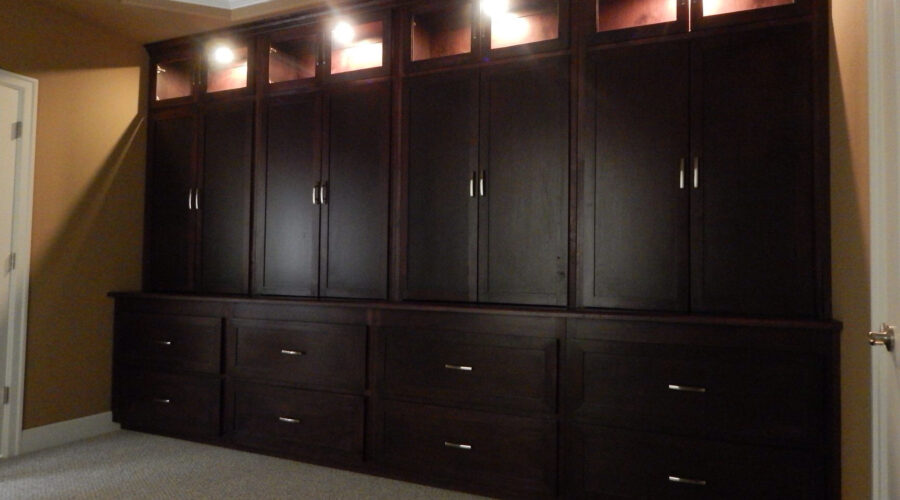
Built‑ins and cabinetry
Credenzas and sideboards
Desks and workspaces
Bedroom furniture
Entryway and statement pieces
Heirloom restorations
Every piece is one‑of‑a‑kind. Every project is a collaboration.
🤝 The Joy of Building for Neighbors
There’s something special about building for people who live just down the road. Clients stop by the shop. They see their piece in progress. They ask questions. They become part of the process.
That’s the beauty of being a local maker: the work becomes a shared story.
🌟 Crafting Legacy in Thurston County
Furniture is more than wood and joinery. It’s memory. It’s heritage. It’s the quiet architecture of a family’s life.
Being a furniture maker in Thurston County means contributing to the legacy of this place — one piece at a time. It means honoring the land, the craft, and the people who trust me to build something meaningful for their home.
This is the work I love. This is the community I’m proud to serve. This is the legacy I’m building — right here in the Pacific Northwest.
Ready to bring handcrafted, heirloom-quality furniture into your home? I design and build custom pieces for homeowners across Olympia, Lacey, Tumwater, Yelm, and the greater South Sound.
Whether you’re dreaming of a dining table, built‑ins, or a one‑of‑a‑kind statement piece, I’d love to help you create something that lasts.
👉 Explore my portfolio 👉 Start a custom project 👉 Schedule a design consultation
Your home deserves furniture with a story.
About Anderson Woodworks
Handcrafted furniture and built‑ins made in Yelm, Washington. Rooted in Pacific Northwest materials, intentional design, and heirloom craftsmanship.
Services
Custom Furniture
Built‑Ins & Cabinetry
Dining Tables
Credenzas & Sideboards
Desks & Workspaces
Heirloom Restorations
Serving
Olympia • Lacey • Tumwater • Yelm • Rainier • South Sound
When people think about improving their home, they often jump straight to the big stuff—knocking down walls, gutting rooms, or planning a full-scale remodel. But there’s a quieter, smarter, far less intrusive way to reshape a space: custom built‑ins.
Built‑ins sit at the sweet spot between design and construction. They’re intentional, functional, and deeply personal. And unlike a remodel, they don’t take over your life, your home, or your calendar.
Let’s break down why built‑ins are one of the most efficient, value‑boosting upgrades you can make—and why the design-to-build process is far easier than most people expect.
The Design Phase: Clear, Collaborative, and Surprisingly Simple
One of the biggest misconceptions about custom work is that it’s complicated. In reality, the design phase for built‑ins is one of the most streamlined parts of the entire home improvement world.
Here’s why:
The space already tells us what it needs. Built‑ins respond to the architecture that’s already there—nooks, alcoves, unused corners, awkward walls. Instead of reinventing the room, we refine it.
You don’t need to make a thousand decisions. Unlike a remodel (where you’re choosing flooring, paint, plumbing fixtures, lighting, tile, hardware, and more), built‑ins focus on a tight set of choices: function, layout, materials, and finish.
We design with purpose, not guesswork. Every shelf, drawer, and panel has a job. The design process becomes a conversation about how you live—your routines, your storage needs, your style—and the built‑in becomes a solution tailored to you.
You see the vision early. Sketches, elevations, and material samples make the final product easy to imagine long before the first board is cut.
The result is a design phase that feels empowering, not overwhelming.
The Build: Precision Craft Without the Chaos
A remodel can take over your home—dust, noise, tradespeople coming and going, rooms blocked off for weeks. Built‑ins are the opposite.
Why the build process is so much easier:
Most of the work happens off-site. The cutting, joinery, sanding, and finishing are done in the shop. Your home stays clean and functional.
Installation is quick. Often just a day or two, depending on the complexity.
No demolition required. We’re adding to the room, not tearing it apart.
Minimal disruption to your routine. You can still cook, work, relax, and live in your home while the project is underway.
For families, remote workers, or anyone who doesn’t want their home turned upside down, built‑ins offer a refreshingly low-impact path to transformation.
The Value: A Small Project With a Big Return
Built‑ins are one of the rare upgrades that improve both daily life and home value.
Here’s what they add:
Functionality that buyers immediately notice. Storage, organization, and thoughtful use of space are top priorities in today’s market.
A sense of craftsmanship and permanence. Built‑ins feel intentional and custom—not something you can buy off a shelf.
A more cohesive room. They anchor the space, giving it structure and purpose.
A premium, “designed” look. Even a simple built‑in elevates the entire room’s aesthetic.
Long-term durability. Solid wood, real joinery, and artisan craftsmanship outlast trends and mass-produced furniture.
In many cases, built‑ins deliver a higher return on investment than larger renovations because they enhance the home without the cost, risk, or disruption of construction.
Why Built‑Ins Are the Smartest Upgrade You Can Make
If you want to improve your home without living through a remodel, built‑ins are the perfect middle path. They offer:
A smooth, collaborative design process
Minimal disruption during the build
A dramatic improvement in function and beauty
A meaningful boost to your home’s value
They’re intentional. They’re personal. And they make your home work better for the way you actually live.
Part I: The Conversation Between Craft and Architecture
Homes speak long before we ever say a word.
A craftsman can walk into a room and feel its pulse — the way light moves, the way air settles, the way the walls either welcome or resist. Every home has a personality shaped by its architecture, its materials, its history, and the people who live inside it. And solid wood furniture, more than almost any other element, has the power to either harmonize with that personality or transform it entirely.
This is because wood is not just a material. It’s a living presence. It carries memory, weight, warmth, and story. It responds to light. It ages. It shifts with the seasons. It holds the marks of time and touch. And when you place a handcrafted piece of solid wood furniture inside a home, the home reacts. Something subtle but unmistakable happens — a conversation begins.
This blog explores that conversation.
Not as a trend piece. Not as a design guide. But as a deeper look at how architecture, craft, and human experience intertwine — and how the furniture you choose can either amplify or soften the emotional feel of the place you call home.
🌿 Why Solid Wood Matters in the First Place
Before we talk about style, we have to talk about substance.
Solid wood furniture behaves differently from mass‑produced pieces because it is different:
It has grain that moves with the seasons
It absorbs and reflects light in organic ways
It carries warmth even in cold rooms
It feels grounded, substantial, and real
It develops patina instead of wearing out
A home responds to these qualities. A room with a single solid wood piece feels more rooted. A room filled with it feels intentional, calm, and alive.
This is why people often describe solid wood furniture as “warm,” “inviting,” or “timeless,” even if they can’t articulate why. Wood has a way of softening modern spaces, elevating rustic ones, and grounding airy ones. It bridges gaps between styles because it brings something universal: nature, permanence, and presence.
🏡 Architecture Sets the Stage — Wood Sets the Tone
Every home has a structural personality. Solid wood furniture doesn’t fight that personality — it interacts with it.
Mid‑Century Homes: Clean Lines, Honest Materials
Mid‑century architecture is all about clarity: open sightlines, simple geometry, and materials that speak for themselves.
Solid wood furniture fits naturally here because it shares the same values. A walnut sideboard with clean joinery doesn’t just match the style — it reinforces the home’s architectural language. The wood grain becomes part of the visual rhythm. The craftsmanship echoes the era’s devotion to integrity.
In a mid‑century home, solid wood doesn’t compete. It completes.
Craftsman and Bungalow Homes: Wood as Heritage
These homes were built to honor wood.
Exposed beams, built‑ins, trim, and natural materials define the Craftsman ethos. When you bring handcrafted solid wood furniture into a Craftsman home, you’re not adding something new — you’re continuing a lineage.
A Greene & Greene‑inspired table doesn’t just look appropriate. It feels like it belongs to the house’s DNA.
The architecture and the furniture speak the same dialect.
Modern and Minimalist Homes: Warmth in the Quiet
Minimalist spaces can feel cold if everything is metal, glass, and white.
Solid wood changes that instantly.
A single slab table in a minimalist home becomes a focal point — not because it’s loud, but because it’s alive. The grain becomes artwork. The warmth becomes balance. The weight becomes grounding.
Wood gives modern spaces something they often lack: humanity.
Farmhouse and Rustic Homes: Wood as Memory
In these homes, wood carries nostalgia.
Hand‑planed surfaces, visible joinery, and natural finishes echo the history of rural craft. Solid wood furniture doesn’t just match the aesthetic — it reinforces the emotional tone of the home: comfort, familiarity, and lived‑in warmth.
A farmhouse table isn’t just a table. It’s a gathering place, a storytelling surface, a memory‑maker.
🌤 The Feel of a Home Changes When the Furniture Is Real
This is the part most people underestimate.
Solid wood furniture doesn’t just match a style — it changes the feel of the space:
Rooms feel calmer
Light feels softer
Sound feels warmer
Movement feels slower
People feel more grounded
There’s a reason people run their hands along a solid wood table without thinking. There’s a reason children gravitate toward wooden pieces. There’s a reason a room with real wood feels more human.
Wood invites presence.
It invites breath.
It invites belonging.
🌳 Part II: How Wood Species Shape the Mood of a Home
If architecture sets the stage and craftsmanship provides the language, then wood species determine the emotional tone of the conversation. Each species carries its own temperament — its own way of interacting with light, space, and the people who live with it.
Choosing a species isn’t just a design decision. It’s a psychological one.
Below is a deeper look at how different woods influence the feel of a home, and why certain species resonate more strongly with certain architectural styles.
🌰 Walnut: The Quiet Sophisticate
Walnut is the introvert with depth — the kind of presence you feel before you fully notice it.
Deep chocolate and coffee tones
Subtle, flowing grain
Soft, warm light absorption
A sense of calm, grounded luxury
Walnut thrives in:
Mid‑century homes
Modern minimalist spaces
Contemporary architecture with clean lines
Homes with large windows and soft natural light
Walnut doesn’t shout. It hums.
It brings a sense of refinement without pretension, making rooms feel more intentional and composed. In a home with sharp geometry, walnut softens the edges. In a home with open space, walnut anchors the room.
Walnut is the species you choose when you want your home to feel like a sanctuary — not a showroom.
🌾 White Oak: The Honest Workhorse
White oak is the craftsman’s companion — strong, versatile, and timeless.
Pale gold to honey tones
Straight, confident grain
High durability
A sense of clarity and steadiness
White oak thrives in:
Craftsman and bungalow homes
Scandinavian-inspired interiors
Farmhouse and rustic spaces
Modern homes seeking warmth without heaviness
Oak is the species that adapts. It can be rustic or refined, traditional or modern, depending on the cut and finish.
In a Craftsman home, white oak feels like heritage. In a Scandinavian home, it feels like simplicity. In a modern home, it feels like warmth without clutter.
Oak is the species you choose when you want your home to feel grounded, bright, and welcoming.
🍒 Cherry: The Romantic Historian
Cherry is the storyteller — the wood that changes with time and rewards patience.
Warm red and amber tones
Smooth, elegant grain
Darkens beautifully with age
A sense of intimacy and nostalgia
Cherry thrives in:
Traditional homes
Colonial and historic architecture
Cozy, intimate spaces
Rooms with warm, directional light
Cherry is emotional. It glows. It deepens. It remembers.
A cherry table in a dining room becomes a generational piece — the kind that absorbs candlelight, conversation, and the slow patina of family life.
Cherry is the species you choose when you want your home to feel lived‑in, loved, and full of story.
🍁 Maple: The Modern Minimalist
Maple is the quiet modernist — clean, bright, and subtly confident.
Pale cream to light blonde tones
Tight, understated grain
Smooth, contemporary feel
A sense of clarity and openness
Maple thrives in:
Modern and minimalist homes
Scandinavian-inspired interiors
Small spaces needing brightness
Homes with cool or neutral palettes
Maple is the species that makes a room feel larger and lighter. It reflects light beautifully and pairs well with metal, glass, and concrete.
Maple is the species you choose when you want your home to feel airy, fresh, and uncluttered.
🌲 How Species Interact With Architecture
The magic happens when species and architecture meet. Here’s how the emotional tone shifts depending on the pairing:
Home Style Best Species Emotional Effect Mid‑Century Walnut, White Oak Calm, grounded, intentional Craftsman White Oak, Cherry Warm, heritage-rich, cohesive Modern Minimalist Maple, Walnut Clean, balanced, humanized Farmhouse White Oak, Cherry Nostalgic, welcoming, lived‑in Contemporary Walnut, Maple Sophisticated, airy, refined
This isn’t about rules — it’s about resonance. A home feels right when the materials speak the same emotional language.
🌬 Part III: Scale, Proportion, and the Architecture of Presence
Even the most beautiful piece of furniture can feel wrong if its scale doesn’t match the room. Solid wood, with its visual weight and physical presence, makes scale even more important.
🏗 1. The Weight of Wood Changes How a Room Feels
A solid wood table has gravity — literal and emotional.
A large walnut slab table in a small room can feel overwhelming
A delicate maple coffee table in a large room can feel lost
A tall oak bookcase can make a low-ceilinged room feel compressed
Scale is not just about size. It’s about relationship.
The right piece feels like it grew out of the room itself.
📐 2. Proportion Creates Harmony
Proportion is the secret ingredient most people feel but can’t name.
The thickness of a tabletop
The width of a leg
The height of a chair back
The spacing of slats or rails
These details determine whether a piece feels:
Light or heavy
Modern or traditional
Playful or serious
Balanced or awkward
A Greene & Greene table with cloud lifts and ebony pegs feels different from a mid‑century table with tapered legs — even if they’re the same size. Proportion is emotional architecture.
🏡 3. Custom Furniture Solves Style Conflicts
Most homes aren’t pure in style. They’re layered — remodeled, inherited, blended, or evolving.
Custom solid wood furniture becomes the bridge.
A modern home with rustic beams
A Craftsman home with contemporary art
A farmhouse kitchen with minimalist lighting
A mid‑century home with eclectic decor
A custom piece can harmonize these elements by:
Matching the species to the architecture
Matching the proportions to the room
Matching the style to the homeowner’s personality
This is where craft becomes translation — turning a home’s mixed signals into a coherent, intentional story.
🌳 Part II: How Wood Species Shape the Mood of a Home
If architecture sets the stage and craftsmanship provides the language, then wood species determine the emotional tone of the conversation. Each species carries its own temperament — its own way of interacting with light, space, and the people who live with it.
Choosing a species isn’t just a design decision. It’s a psychological one.
Below is a deeper look at how different woods influence the feel of a home, and why certain species resonate more strongly with certain architectural styles.
🌰 Walnut: The Quiet Sophisticate
Walnut is the introvert with depth — the kind of presence you feel before you fully notice it.
Deep chocolate and coffee tones
Subtle, flowing grain
Soft, warm light absorption
A sense of calm, grounded luxury
Walnut thrives in:
Mid‑century homes
Modern minimalist spaces
Contemporary architecture with clean lines
Homes with large windows and soft natural light
Walnut doesn’t shout. It hums.
It brings a sense of refinement without pretension, making rooms feel more intentional and composed. In a home with sharp geometry, walnut softens the edges. In a home with open space, walnut anchors the room.
Walnut is the species you choose when you want your home to feel like a sanctuary — not a showroom.
🌾 White Oak: The Honest Workhorse
White oak is the craftsman’s companion — strong, versatile, and timeless.
Pale gold to honey tones
Straight, confident grain
High durability
A sense of clarity and steadiness
White oak thrives in:
Craftsman and bungalow homes
Scandinavian-inspired interiors
Farmhouse and rustic spaces
Modern homes seeking warmth without heaviness
Oak is the species that adapts. It can be rustic or refined, traditional or modern, depending on the cut and finish.
In a Craftsman home, white oak feels like heritage. In a Scandinavian home, it feels like simplicity. In a modern home, it feels like warmth without clutter.
Oak is the species you choose when you want your home to feel grounded, bright, and welcoming.
🍒 Cherry: The Romantic Historian
Cherry is the storyteller — the wood that changes with time and rewards patience.
Warm red and amber tones
Smooth, elegant grain
Darkens beautifully with age
A sense of intimacy and nostalgia
Cherry thrives in:
Traditional homes
Colonial and historic architecture
Cozy, intimate spaces
Rooms with warm, directional light
Cherry is emotional. It glows. It deepens. It remembers.
A cherry table in a dining room becomes a generational piece — the kind that absorbs candlelight, conversation, and the slow patina of family life.
Cherry is the species you choose when you want your home to feel lived‑in, loved, and full of story.
🍁 Maple: The Modern Minimalist
Maple is the quiet modernist — clean, bright, and subtly confident.
Pale cream to light blonde tones
Tight, understated grain
Smooth, contemporary feel
A sense of clarity and openness
Maple thrives in:
Modern and minimalist homes
Scandinavian-inspired interiors
Small spaces needing brightness
Homes with cool or neutral palettes
Maple is the species that makes a room feel larger and lighter. It reflects light beautifully and pairs well with metal, glass, and concrete.
Maple is the species you choose when you want your home to feel airy, fresh, and uncluttered.
🌲 How Species Interact With Architecture
The magic happens when species and architecture meet. Here’s how the emotional tone shifts depending on the pairing:
Home Style Best Species Emotional Effect Mid‑Century Walnut, White Oak Calm, grounded, intentional Craftsman White Oak, Cherry Warm, heritage-rich, cohesive Modern Minimalist Maple, Walnut Clean, balanced, humanized Farmhouse White Oak, Cherry Nostalgic, welcoming, lived‑in Contemporary Walnut, Maple Sophisticated, airy, refined
This isn’t about rules — it’s about resonance. A home feels right when the materials speak the same emotional language.
🌬 Part III: Scale, Proportion, and the Architecture of Presence
Even the most beautiful piece of furniture can feel wrong if its scale doesn’t match the room. Solid wood, with its visual weight and physical presence, makes scale even more important.
🏗 1. The Weight of Wood Changes How a Room Feels
A solid wood table has gravity — literal and emotional.
A large walnut slab table in a small room can feel overwhelming
A delicate maple coffee table in a large room can feel lost
A tall oak bookcase can make a low-ceilinged room feel compressed
Scale is not just about size. It’s about relationship.
The right piece feels like it grew out of the room itself.
📐 2. Proportion Creates Harmony
Proportion is the secret ingredient most people feel but can’t name.
The thickness of a tabletop
The width of a leg
The height of a chair back
The spacing of slats or rails
These details determine whether a piece feels:
Light or heavy
Modern or traditional
Playful or serious
Balanced or awkward
A Greene & Greene table with cloud lifts and ebony pegs feels different from a mid‑century table with tapered legs — even if they’re the same size. Proportion is emotional architecture.
🏡 3. Custom Furniture Solves Style Conflicts
Most homes aren’t pure in style. They’re layered — remodeled, inherited, blended, or evolving.
Custom solid wood furniture becomes the bridge.
A modern home with rustic beams
A Craftsman home with contemporary art
A farmhouse kitchen with minimalist lighting
A mid‑century home with eclectic decor
A custom piece can harmonize these elements by:
Matching the species to the architecture
Matching the proportions to the room
Matching the style to the homeowner’s personality
This is where craft becomes translation — turning a home’s mixed signals into a coherent, intentional story.
🌤 Part IV: How Wood Ages With a Home — And Why Patina Matters
Most materials in a home decline over time. Solid wood does something different: it evolves.
This is one of the most overlooked reasons why solid wood furniture changes the feel of a home. It doesn’t stay static. It grows with you. It absorbs the life lived around it. It becomes a record of presence.
Patina isn’t damage. It’s biography.
🌞 1. Light Changes Wood — and the Room With It
Every species responds to light in its own way:
Cherry deepens into warm amber
Walnut lightens slightly and softens
Oak becomes richer and more golden
Maple warms subtly and gains depth
As the wood changes, the room changes.
A cherry table that starts pale and youthful becomes a glowing centerpiece over the years. A walnut desk that begins dark and moody becomes softer, more approachable. These shifts alter the emotional tone of the space — often in ways you don’t notice until you look back at old photos.
Wood ages the way people do: slowly, subtly, beautifully.
🌧 2. Touch Leaves a Record
Unlike synthetic materials, solid wood responds to touch.
The place where elbows rest becomes smoother
The drawer pull used most often becomes polished
The edge of a table touched in passing becomes softened
The surface where children do homework gains character
These aren’t flaws. They’re evidence.
A home feels more human when its furniture carries the imprint of the people who live there. This is why a solid wood piece feels more alive after five years than it did on day one.
🔥 3. Wood Holds Memory
There’s a reason heirloom furniture feels different from new furniture.
A table that has hosted decades of meals carries a kind of emotional gravity. A bookcase that has held generations of stories feels like part of the family. A bed frame that has moved through multiple homes becomes a witness to a life.
When wood ages with a home, it becomes part of the home’s identity.
This is something mass‑produced furniture can’t replicate. It doesn’t age — it deteriorates.
Solid wood matures.
🌙 4. Patina Softens the Architecture
As wood develops patina, it softens the lines of a room.
A modern home becomes warmer
A Craftsman home becomes richer
A minimalist home becomes more human
A rustic home becomes more authentic
Patina is the bridge between architecture and life. It’s the moment when a house becomes a home.
🌱 Part V: Choosing the Right Piece for the Home You Have — and the Home You’re Becoming
Most people choose furniture based on what their home looks like today. But homes evolve — and so do the people who live in them.
Solid wood furniture is one of the few elements that can grow with both.
🏡 1. Start With the Architecture, But Don’t End There
Architecture gives you a starting point:
Mid‑century loves walnut
Craftsman loves oak
Modern loves maple
Farmhouse loves cherry
But your home is more than its style. It’s your life, your habits, your rhythms.
A minimalist home can hold a rustic table if the family gathers there every night. A Craftsman home can hold a modern desk if the work done there is forward‑looking. A farmhouse kitchen can hold a sleek walnut island if the cook values clarity and contrast.
The right piece honors the architecture and the person.
🧭 2. Choose Based on Feel, Not Trend
Ask yourself:
Do you want the room to feel grounded or airy?
Warm or cool?
Quiet or expressive?
Structured or organic?
Wood species, grain patterns, and proportions all influence these emotional qualities.
A thick oak table feels sturdy and communal. A slender maple desk feels light and focused. A walnut media console feels calm and composed. A cherry dresser feels intimate and warm.
When you choose based on feel, the piece will still make sense in your home ten years from now — even if your style evolves.
🪵 3. Let One Piece Lead the Room
Every room has a natural leader.
Sometimes it’s the dining table. Sometimes it’s the bed. Sometimes it’s the coffee table or the sideboard.
When you choose one solid wood piece as the anchor, the rest of the room can orbit around it. This creates cohesion without requiring everything to match.
Wood doesn’t need uniformity. It needs harmony.
🎨 4. Mix Species With Intention
Mixing woods can be beautiful — if done with purpose.
Walnut + oak = grounded and warm
Maple + walnut = modern with contrast
Cherry + oak = traditional and rich
Maple + cherry = soft and inviting
The key is balance:
Keep undertones consistent
Vary grain patterns
Use one species as the anchor
Let the others support
A home with mixed woods feels layered, collected, and lived‑in — not staged.
🛠 5. When in Doubt, Go Custom
Custom furniture solves the problems mass‑produced furniture creates:
Odd room dimensions
Mixed architectural styles
Unique lighting conditions
Specific functional needs
Emotional or symbolic intentions
A custom piece can be designed to:
Fit the exact proportions of your room
Match or contrast your existing woodwork
Reflect your personal story
Age gracefully with your home
Custom is not about luxury. It’s about alignment.
🌲 Part VI: When Craft Becomes Home — The Deeper Relationship Between Wood and Life
There’s a moment — subtle, almost imperceptible — when a piece of solid wood furniture stops feeling like an object and starts feeling like part of the home’s identity. It’s not about price, trend, or even craftsmanship alone. It’s about resonance.
A well‑crafted piece of wood furniture doesn’t just sit in a room. It participates.
It listens. It absorbs. It reflects. It anchors.
And over time, it becomes a kind of companion — a quiet witness to the life unfolding around it.
This is the part of the story most design blogs skip. But it’s the part that matters most.
🌿 1. Furniture as a Mirror of How You Live
A home is not a static environment. It’s a living ecosystem shaped by habits, rituals, and relationships.
Solid wood furniture interacts with these rhythms:
A dining table becomes the center of gravity for meals, conversations, and celebrations
A desk becomes the landscape of ideas, work, and late‑night thinking
A bed frame becomes the architecture of rest and recovery
A coffee table becomes the stage for books, mugs, and quiet mornings
Wood responds to these patterns. It changes where you touch it most. It softens where life is most present.
In this way, solid wood furniture becomes a mirror — not of how your home looks, but of how you live.
🔥 2. Craft as a Form of Care
There’s a reason people instinctively treat solid wood furniture differently.
You don’t toss things onto a handcrafted table. You place them.
You don’t slam a solid wood drawer. You guide it.
You don’t ignore a scratch. You tend to it.
This isn’t fragility — it’s relationship.
Craft invites care, and care deepens connection. A home filled with solid wood pieces becomes a home where attention, presence, and intention are part of the daily rhythm.
This is why people often describe handcrafted furniture as “calming” or “grounding.” It’s not just the material. It’s the way the material changes the way you move.
🌙 3. The Emotional Architecture of a Home
Every home has an emotional architecture — a feeling that lingers in the air even when the rooms are empty.
Solid wood furniture shapes that architecture in ways that are subtle but profound:
Warm woods make a home feel welcoming
Dark woods make a home feel grounded
Light woods make a home feel open
Aged woods make a home feel storied
Mixed woods make a home feel layered and human
This emotional architecture is what people respond to when they walk into a room and say, “It just feels good in here.”
They’re not responding to style. They’re responding to presence.
🪵 4. The Home You’re Building, Not Just the Home You Have
One of the most powerful things about solid wood furniture is that it doesn’t just fit the home you live in today — it supports the home you’re becoming.
A family planning to grow chooses a table that can hold years of birthdays. A couple building a creative life chooses a desk that can hold ideas. A homeowner seeking calm chooses a piece that slows the room down. A person craving connection chooses a piece that invites gathering.
Wood is not passive. It shapes behavior.
A home with a large, inviting table becomes a home where people linger. A home with a warm, grounded entryway becomes a home where people exhale when they walk in. A home with intentional, handcrafted pieces becomes a home where meaning is part of the architecture.
🌤 5. Why Solid Wood Furniture Feels Like Legacy
Legacy isn’t about age. It’s about continuity.
A solid wood piece becomes legacy because:
It lasts
It changes
It holds memory
It carries story
It can be repaired
It can be passed down
Mass‑produced furniture is designed to be replaced. Solid wood furniture is designed to endure.
This endurance creates emotional weight. A table that outlives trends becomes a symbol of stability. A dresser that moves through multiple homes becomes a thread of continuity. A bench that holds generations becomes a vessel of memory.
Legacy is not about nostalgia. It’s about belonging.
🌲 Part VII: The Closing — When Wood, Architecture, and Life Become One Story
In the end, the relationship between solid wood furniture and the style of your home is not just about aesthetics. It’s about alignment — between material and architecture, between craft and intention, between the life you live and the life you want to cultivate.
A home with solid wood furniture feels different because:
The materials are alive
The craft is intentional
The proportions are human
The aging is beautiful
The presence is grounding
The story is ongoing
Wood doesn’t just match a style. It shapes a feeling.
It softens modern lines. It elevates rustic spaces. It grounds airy rooms. It warms minimalist homes. It honors Craftsman architecture. It deepens mid‑century clarity. It enriches farmhouse nostalgia. It harmonizes contemporary design.
But more than anything, it creates a home that feels lived‑in, loved, and real.
A home with solid wood furniture is a home with heartbeat.
A home with memory.
A home with presence.
A home that grows with you — and holds you — for years to come.
If you’re ready for furniture that becomes part of your story, let’s talk. Your home deserves pieces that last, deepen, and carry memory.
By Anderson — Artisan Furniture Maker & Interior Designer
🌿 Crafting a Home Isn’t About Filling a Room — It’s About Shaping a Life
For years, I’ve built custom furniture for people who care deeply about their homes. They come to me not just for a table or a cabinet, but for something more personal: a sense of belonging, intention, and story.
And over time, one truth has become impossible to ignore:
Furniture and interior design are not separate worlds. They are two halves of the same craft.
When they work together, a home becomes more than functional. It becomes meaningful.
Interior design can set the tone of a room—its colors, textures, layout, and flow. But sometimes a space needs something that simply doesn’t exist yet.
A hallway that’s too narrow. A living room with an awkward corner. A family room that needs storage without sacrificing beauty.
That’s where custom furniture steps in.
A well-designed piece:
fits the space perfectly
supports the way you actually live
elevates the room’s aesthetic
removes clutter and friction
Design identifies the need. Craftsmanship answers it.
🎨 2. Interior Design Gives Custom Furniture a Purposeful Home
A handcrafted piece deserves more than a random spot in a room. It deserves a context—a story.
Interior design ensures that:
the lighting honors the wood
the colors complement the grain
the textures echo the piece’s warmth
the room’s flow invites people toward it
A custom piece becomes a focal point, not an afterthought.
🔨 3. Together, They Create Spaces That Feel Intentional and Alive
When design and craft work hand in hand, a home becomes:
more functional
more beautiful
more personal
more grounded
It becomes a place that reflects who you are and what you value.
This is especially true for clients who want:
heirloom-quality pieces
sustainable materials
Northwest-inspired design
a home that feels calm, warm, and intentional
Your furniture becomes part of a larger story—one that honors your life, your routines, and your sense of place.
🌲 4. The Pacific Northwest Deserves Spaces That Feel Like Home
We live in a region defined by:
wood
rain
light
texture
quiet beauty
Interior design and custom furniture together allow me to create spaces that feel rooted in the Northwest—spaces that breathe, soften, and welcome.
Homes here aren’t meant to be showrooms. They’re meant to be lived in, warmed by craft, and shaped by intention.
✨ 5. Clients Deserve a Seamless Experience
Instead of hiring:
a designer
a furniture maker
a contractor
a consultant
…you can work with one person who understands the entire arc of your home’s story.
From the first sketch to the final installation, everything is aligned:
one vision
one aesthetic
one process
one relationship
It’s simpler. It’s calmer. It’s more human.
🌟 ANNOUNCEMENT: I’m Now Offering Interior Design Services
After years of designing custom furniture and helping clients shape their homes, I’m expanding my services to include full interior design.
This means I now offer:
Artisan-led interior design
Space planning and layout guidance
Material, color, and finish consulting
Whole-room and whole-home design
Custom furniture integration
Built-ins and cabinetry design
Intentional, story-driven spaces rooted in Northwest craft
Whether you need a single room refreshed or a full-home transformation, I’m here to help you create a space that feels grounded, warm, and deeply personal.
Your home should tell your story. Let’s design it with intention.
Just email me at a.woodworks@hotmail.com for inquiries
So it is Saturday and my wife is checking Facebook, as normal, and found a chest of drawers. It is an old piece, but because it is painted — and a really bad paint job at that — as a professional furniture maker, anything painted offends me, or tells me someone doesn’t appreciate nice things. In my mind, paint only belongs on walls. Anyway, the plan was to bring it home and just use it as-is. Well, that went south as soon as we got it in place. She then explained her plan for it and how she was going to use it. In the back of my head, I knew that at some point she was going to ask if I could strip it, and I really dislike stripping paint off furniture. In our discussion, I explained that I would be willing to sand and repaint it with a much better paint job — yes, you just heard me say paint it — but it is already painted, so I am not breaking my first rule. Now, as I sit and look at it, I am really struggling with myself. Why, you might ask? Well, due to the fact that my whole world revolves around woodworking, furniture, and its assorted styles, the more I study it, the more I know that under this paint is either Bird’s Eye maple or walnut. This style was from the 1920s, and that curve along with the wood grain was all the rage. So the decision was reluctantly made to just strip one drawer, and off to the shop I went. I got my card scraper out, ran a pass across the drawer front, and — yep — Bird’s Eye maple it is. So now I have a project: bring this 1920s piece back to its former glory. As I was sanding, I noticed a past repair. As is typical, the drawer box was broken, right at the rabbet for the bottom of the drawer, in a corner break — so the bottom isn’t as secure. Someone had simply taken a piece of wood and nailed it to the bottom so the drawer would slide and look fine. Me? I go hardcore. I took a mallet and, oh so carefully, broke loose the dovetails holding the sides on, then cleaned up the broken edge and glued a piece of wood onto it so I could cut a new dado for the drawer bottom to slide into when I reglued the side piece back on. After rebuilding the drawers, I will then scrape and sand the rest of the piece.
First, it is worth noting that this is a manufactured piece of furniture, not a custom build. However, if you look at its construction, it is so much better than its modern counterparts. It is all solid wood construction — yes, the Bird’s Eye maple is a veneer, but the core it is glued to is solid pine, not MDF or that compressed sawdust material used in today’s furniture. This piece was also likely made right here in the United States, in North Carolina. I have a blog about the history of High Point and its furniture industry — click the link to read it: The Rise and Fall of North Carolina’s Furniture Industry The drive to maximize profits by making things more “efficient” — and I am not a big fan of that word — has substantially brought quality down. That is why I do things the old way. My pieces will last centuries, just like this one, and if they ever need attention down the road, they can be repaired rather than replaced.
I have some updates we found out this was built in James Town NY by Atlas Furniture Co. in the 1920 . I have looked on line and these sell in mint condition for around $400 to $800