A room usually tells on itself within seconds. You can see when the layout was built around a meaningful piece and when it was assembled from whatever was easy to order. The difference is not styling. It is structure. A true heirloom furniture buying guide starts there, because furniture that lasts for generations must do more than look expensive – it has to anchor the room, support daily use, and improve with age.
This is not about buying the most ornate table or the most exclusive wood species. It is about learning how to recognize permanence. If you are investing in a dining table, desk, cabinet, bench, or built-in that you expect to live with for decades, you need a better standard than trend, brand recognition, or showroom appeal.
What makes furniture an heirloom
An heirloom is not defined by price alone. Plenty of expensive furniture is built with weak joinery, poor proportions, and finishes that will not age gracefully. On the other hand, a simpler piece made with discipline can outlast nearly everything around it.
Heirloom furniture earns its status through a combination of material integrity, construction quality, design clarity, and usefulness. It should feel grounded in how you live. A dining table that is too precious for family meals is not an heirloom in any meaningful sense. A desk with beautiful grain but no regard for cable management, task lighting, or chair clearance is not resolved design. Lasting furniture is not separate from function. It depends on it.
That is why the best pieces often feel calm rather than flashy. They are scaled correctly. The joinery is honest. The wood selection makes sense. The form is strong enough to hold attention without pleading for it.
An heirloom furniture buying guide begins with the room
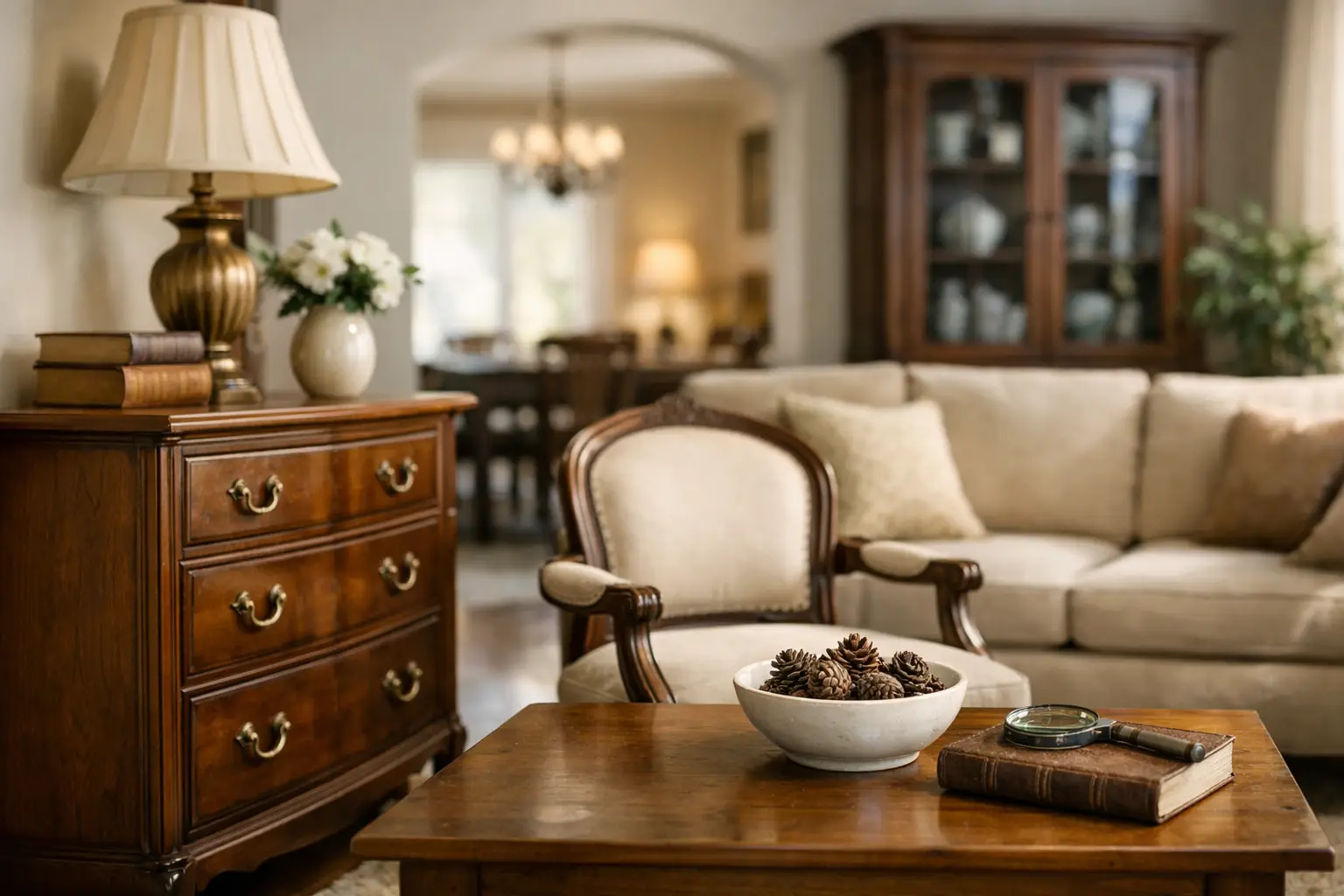
Most people shop for furniture as an isolated object. That is the first mistake. A piece may be beautifully made and still be wrong for the room. Scale, circulation, sightlines, storage needs, and how the room is used every day all matter.
Before you evaluate style, start with placement. Where will the piece live? What does it need to do? What should happen around it? If you are choosing a dining table, you are not only choosing a table. You are deciding how people move through the room, how chairs pull out, how lighting aligns above the surface, and whether the table can support both everyday meals and larger gatherings.
The same is true for a study, entry, or home office. Furniture should not be an afterthought layered into a finished room. It should help determine the room’s logic. This is one of the clearest differences between lasting interiors and decorative ones.
Judge construction before surface appeal
If you want furniture that can be handed down, you need to know where to look. Finish and hardware get attention because they are visible. Construction tells the real story.
Start with joinery. Drawers should not rely on staples and thin panels. Table bases should feel stable, not merely heavy. Cabinet doors should hang true. Wood movement should be accounted for rather than fought. You want to see evidence that the maker understands how solid wood behaves across seasons and years.
Ask direct questions. Is it solid wood, veneer over stable substrate, or a mix of both? There is no universal villain here. Veneer is not automatically inferior when used well. In some cases it is the more stable and appropriate choice. But you should know why a material was selected and how it serves the piece.
Look underneath. Open the drawers. Check the back panel. Turn your attention to the places a casual buyer ignores. Good furniture remains disciplined where no one is supposed to look.
Wood choice matters, but not in the way people think
Clients often begin with species because it feels concrete. White oak, walnut, cherry, maple. These choices matter, but not as shorthand for quality. A well-made piece in a straightforward species is better than a poorly resolved piece in an exotic one.
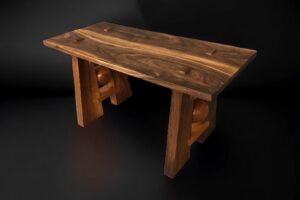
What matters is suitability. Hardness, grain behavior, color change over time, and how the wood receives finish all affect the final result. Walnut carries warmth and depth but can read too dark in a room that already lacks light. White oak is durable and versatile, but the grain expression varies dramatically depending on cut and finish. Cherry develops a remarkable patina over time, which is either a virtue or a frustration depending on your expectations.
This is where craftsmanship and design judgment matter more than shopping vocabulary. The right species is the one that serves the form, the room, and the life of the piece.
Proportion is what separates lasting furniture from statement furniture
Bad proportion ruins good materials. This happens constantly. A table is too thick for its span. A cabinet is too shallow to be useful. A desk is oversized for the room and forces every other decision to compensate for it.
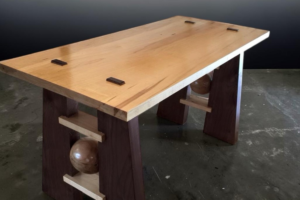
Heirloom furniture should have presence, but presence is not bulk. It is balance. Thickness, overhang, leg placement, drawer heights, door widths, and negative space all need to relate properly. When proportion is correct, the piece feels inevitable. When it is wrong, no premium wood or custom finish can save it.
This is one reason custom or made-to-order work often outperforms off-the-floor furniture. The dimensions can respond to the room rather than forcing the room to submit to a standard product.
Know when custom is the better investment
Not every piece needs to be fully custom. That is worth saying clearly. If a built-to-order line offers excellent construction, strong proportions, and thoughtful options, it may be the right decision. Custom becomes most valuable when the room has constraints, when function is specific, or when you want the furniture to shape the space in a meaningful way.
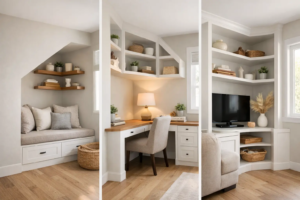
A home office is a good example. Generic desks are usually built around broad assumptions. They rarely account for storage habits, monitor placement, paper workflow, acoustics, lighting, or how the desk relates to shelving and architecture. In that case, custom is not indulgence. It is problem-solving.
The same goes for dining rooms, studies, entry areas, and built-ins. When a room needs cohesion, a one-size-fits-all piece often creates more compromise than savings.
Questions to ask before you buy
Any heirloom furniture buying guide should prepare you to ask better questions, not just admire better photos. Ask who made the piece and how it is constructed. Ask what will happen to the finish after five years of real use. Ask whether the dimensions can be adjusted. Ask how the wood will move seasonally. Ask what maintenance is expected and what repairs are possible down the line.
You should also ask yourself a harder question: do you want a piece that reflects your life, or one that simply photographs well today? Those are often different purchases.
If the seller cannot explain the logic behind materials, joinery, dimensions, and finish, you are not buying confidence. You are buying presentation.
The trade-offs are real
There is no perfect furniture decision detached from budget, timing, and use. Solid wood can move. Natural finishes can mark. Handcrafted work takes time. Custom pieces cost more because design judgment, labor, and material discipline cost more.
That said, lower upfront cost often means paying repeatedly through replacement, dissatisfaction, or a room that never fully resolves. The better question is not whether heirloom furniture costs more. It is whether the piece is worth building your room around and living with for the next twenty years.
For many homeowners, that means buying fewer pieces and buying them better. One excellent table can do more for a room than five decorative upgrades.
Buy for the next decade, not the next season
Trend-based furniture tends to age on contact. It borrows interest from novelty, then asks to be replaced once the mood changes. Heirloom furniture should do the opposite. It should become more convincing as the years pass.
That requires restraint. Clean lines age better than gimmicks. Honest materials age better than imitations. A piece tied to real daily use will hold its value in your home long after trend-driven decor starts to feel dated.
At Anderson Woodworks, that is the standard: furniture is not a finishing touch. It is the foundation for how a room works, feels, and lasts.
If you are choosing carefully, trust the piece that solves something important, feels settled in the room, and still makes sense when the noise of the market fades. That is usually the piece worth keeping.
so let’s Creat a. Peace for your family to pass down and tell your story.
Discover more from Anderson woodworks custom furniture & cabinets
Subscribe to get the latest posts sent to your email.